How to Get Rid of Heat Damage on Curly Hair
Heat damage can leave curls looking frizzy, limp, and dull. With the right routine and the right tools, you can restore moisture, encourage healthy curl pattern, and minimize further damage. This guide focuses on practical steps for American households to recover from heat damage and maintain healthy curls over time.
Quick Answer
Restore moisture, trim split ends if needed, and reduce heat usage. Use a hydrating shampoo and deep conditioner, employ a steam treatment when possible, and switch to low-heat styling with protective products. Regular detangling and a gentle drying routine help curls bounce back faster.
What You’ll Need
- Hydrating shampoo and conditioner with ingredients like glycerin, shea butter, and oils
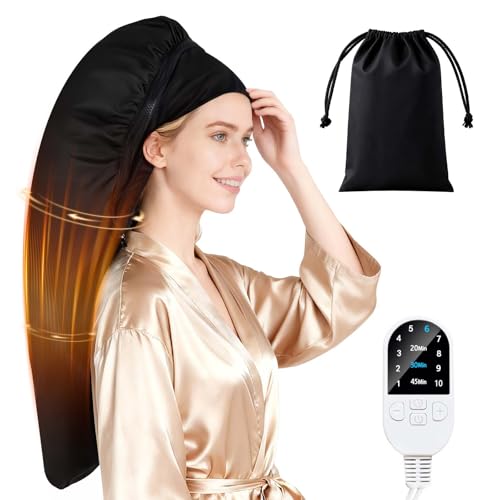
- Electric hair steamer for damaged curly hair or a warm towel steam method
- Deep conditioning mask or protein-moisture balance treatment
- Diffuser attachment for hair dryer curly hair for low-heat, even drying
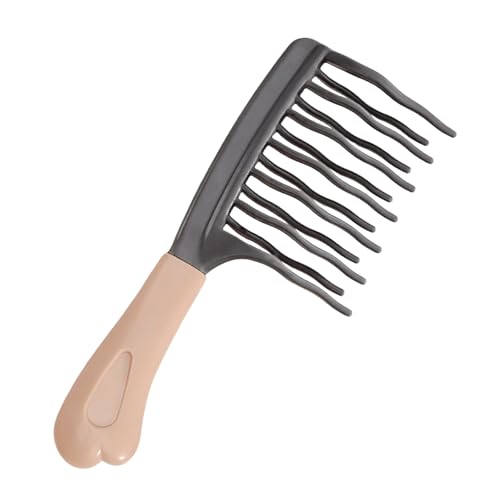
- Wide tooth comb for curly hair detangling to minimize breakage
- Leave-in conditioner or curl cream
- Silk or satin pillowcase and/or bonnet

Before You Start
Assess the damage: look for excessive breakage, brittle strands, and frizz that doesn’t hold curl pattern. Plan a gradual recovery routine rather than aggressive styling. Avoid high heat exposure like flat irons and high-heat blow-drying on soaking-wet hair. Time estimates vary by hair length and damage level, typically 1–3 weeks for noticeable improvement with consistent care, and longer for deeper damage.
Step-By-Step: How To Repair Heat-Damaged Curly Hair
- Gently detach with a wide tooth comb detangling from ends to roots while the hair is damp to reduce breakage.
- Wash with a hydrating shampoo to remove residue and buildup that can weigh curls down.
- Apply a deep conditioning mask, focusing on mid-lengths to ends, and leave it on for 10–30 minutes with heat if possible.
- Rinse and apply a leave-in conditioner or curl cream to seal moisture and define waves without weighing hair down.
- Use a electric hair steamer for damaged curly hair or a warm towel to open cuticles and boost absorption of moisture.
- Apply a lightweight oil or serum to the ends to reduce friction and protect from future damage.
- For styling, attach a diffuser attachment for hair dryer curly hair and set to low heat and low speed; cup the curls rather than rough-drying.
- Let hair air-dry partially if possible, then finish with the diffuser to enhance curl clumping and minimize frizz.
- Avoid daily heat styling; reserve heat for special occasions and always use a heat protectant if heat is necessary.
- Schedule regular trims to remove split ends and maintain a healthy curl shape while you recover.
- Incorporate a weekly protein-moisture balance routine if recommended for your hair type to strengthen damaged strands.
Troubleshooting
| Symptom | Likely Cause | Fix | Prevention |
|---|---|---|---|
| Frizz and lack of curl definition | Insufficient moisture | Increase conditioner duration, seal with oil | Use humectant-rich products and avoid over-washing |
| Sticky or weighed-down hair after styling | Overuse of heavy products | Switch to lighter formulas or reduce amount | Apply product to damp, not soaking wet, hair |
| Breakage when combing | Dry, brittle strands | Detangle with wide tooth comb in sections | Always detangle when wet and conditioned |
| Heat sensitivity returns after using heat | Repeated high heat | Lower heat settings; always use heat protectant | Limit heat sessions to essential styling |
Common Mistakes
- Over-washing leading to moisture loss
- Skipping conditioning and protein balance
- Rough detangling with fine brushes on wet hair
- Ignoring scalp health while focusing on length
- Using hot tools without heat protection
Sticking to a gentle routine and using the right tools will support healthier curls over time.
Tips For Best Results
- Incorporate steam sessions weekly to boost moisture uptake into the cortex.
- Choose products labeled for curly hair and moisture retention; avoid silicone-heavy formulas that build up over time.
- Sleep on a satin or silk surface to minimize friction and preserve curl pattern.
- Keep a simple styling routine to avoid over-manipulation of fragile curls.
- Hydration starts from within—drink water and maintain a balanced diet to support hair health.
Call A Professional
Consider a consultation with a licensed stylist if you notice persistent breakage, significant changes in curl pattern, or scalp issues like persistent flaking or itchiness. Stop using any product that causes burning, severe itching, or an allergic reaction, and seek professional guidance promptly.
FAQ
Can heat-damaged curls fully recover?
Recovery is possible with consistent moisture, reduced heat exposure, and proper styling techniques, though full restoration may take time depending on damage severity.
How often should I steam damaged curls?
Steaming once a week or every other week helps replenish moisture without overdoing it.
Is a diffuser essential for curly hair recovery?
A diffuser aids gentle drying and curl formation; it is highly recommended for reducing heat exposure while preserving curl pattern.
When should I trim damaged ends?
If ends appear split or brittle, a trim is advised to prevent further split propagation and to improve overall curl health.
What products best support damaged curls?
Look for hydrating shampoos, rich conditioners, leave-in moisturizers, and lightweight oils that do not buildup on the hair.
Is protein treatment helpful for heat-damaged hair?
Protein treatments can help mend structural weakness, but balance with moisture to avoid stiffness; follow professional guidance for frequency.
Buying Guide
The Buying Guide helps readers choose tools and products that fit heat-damaged curly hair needs. Consider size, noise level, energy efficiency, controls, and placement in the bathroom or vanity. If you frequently style in the morning, a compact diffuser with adjustable heat may be ideal. For steam therapies, an electric hair steamer should offer adjustable temperature and a comfortable hood or wrap. When selecting a detangling tool, a wide tooth comb designed for curly hair helps prevent breakage. Compatibility with existing products and ease of cleaning are also important factors. Ask questions about warranty, replacement parts, and any compatibility with your preferred heat-styling routine.
Leave a Reply