How to Get Rid of Hair Dye on Hands
Purple, brown, or vibrant reds from hair dye can leave stubborn stains on the skin. This guide offers practical, safe steps to remove dye from hands using common tools and proven techniques. The focus is on quick results and reducing irritation while keeping skin healthy.
Readers will find a clear, step-by-step method, along with a quick overview, a complete list of tools, safety tips, troubleshooting, and professional help indicators. The goal is to minimize staining without harsh scrubs or aggressive chemicals that can irritate sensitive skin.
Quick Answer
Act quickly: rinse with cool water, then use gentle cleansers or specialized products designed for dye removal. If needed, repeat with occasionals like exfoliating gloves or dye stain remover wipes, and finish with moisturizer. For stubborn spots, try acetone-free nail polish remover on a small area and wash thoroughly afterward.
What You’ll Need
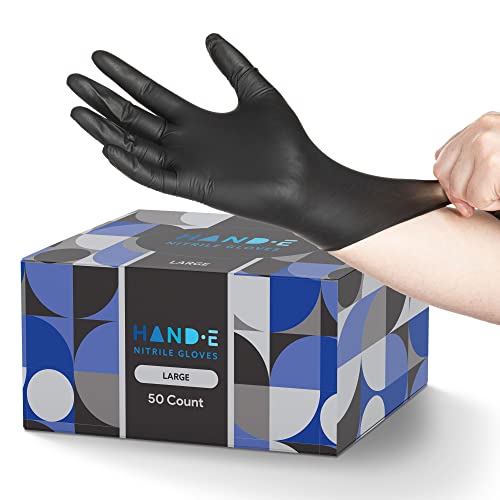
- nitrile disposable gloves for hair dye stains on hands
- exfoliating gloves for hair dye stain removal on skin
- hair dye stain remover wipes for skin


Before You Start
Prepare a clean work area and have a towel handy. Avoid harsh scrubs that can irritate the skin. Test any product on a small skin patch 24 hours before broader use to check for sensitivity. Time estimates: 5–15 minutes for a basic wipe-down, up to 30 minutes for persistent stains. Important cautions: do not mix chemicals, avoid open wounds, and stop if you experience burning or severe irritation.
Step-By-Step: How To Get Rid Of Hair Dye On Hands
- Rinse hands with cool water immediately after dyeing to prevent set-in stains.
- Apply a mild soap or gentle cleanser and rub in circular motions for 20–30 seconds.
- Use nitrile disposable gloves for hair dye stains on hands to protect skin if you need to scrub more thoroughly.
- Gently massage with exfoliating gloves for hair dye stain removal on skin to lift dye particles without harsh abrasion.
- Wipe with hair dye stain remover wipes for skin and repeat on stubborn areas.
- If color remains, dab a small amount of acetone-free remover on a cotton pad and gently blot the stain, then rinse.
- Wash hands again with soap and warm water; finish with a fragrance-free moisturizer to restore skin barrier.
- For persistent stains, repeat the process in small sections, avoiding aggressive scrubbing that can irritate.
- Apply sunscreen or barrier cream before future dyeing sessions to reduce skin staining risk.
- Document any reaction or irritation and adjust products used in future dye jobs.
Troubleshooting
| Symptom | Likely Cause | Fix | Prevention |
|---|---|---|---|
| Stain persists after wipes | D dye pigments bonded to top skin layer | Repeat wipe with remover wipes and gentle exfoliation | Apply barrier cream before dyeing and choose dye with gentler formulation |
| Skin irritation or redness | Over-scrubbing or harsh chemicals | Stop scrubbing, rinse, apply calm moisturizer; consider gentle options | Patch test; use gloves; avoid acetone near skin |
| Fragrance irritation | Sensitive skin reaction | Switch to fragrance-free products | Use fragrance-free moisturizers and cleansers |
| Allergic reaction signs | New product exposure | Rinse and seek medical advice if swelling or blistering | Read ingredient lists and perform patch tests |
Common Mistakes
- Using hot water, which can set dye further
- Aggressive scrubbing that irritates or tears skin
- Rubbing with household bleach or strong solvents
- Ignoring a patch test before broader use
Tips For Best Results
- Work in a well-lit area to clearly see stain progress
- Choose nitrile gloves over latex if you have sensitivities
- Moisturize after any dye removal procedure to restore skin barrier
- Schedule color sessions with a plan to minimize skin contact time
- Consider a barrier cream before dyeing to reduce staining potential
Call A Professional
Consult a dermatologist if staining is severe, if you notice persistent itching, burning, blistering, or signs of an allergic reaction that do not resolve with home care. If you have sensitive or reactive skin, or you are using a professional-grade dye, seek guidance before attempting removal with solvents or exfoliating agents.
FAQ
Will dye removal wipes work on all colors?
Yes, most dye removal wipes are formulated to lift common hair dye pigments from skin, but results vary with color intensity and skin type.
Can I use nail polish remover on my hands?
Acetone-free formulations are generally safer for skin; test on a small area first and rinse well afterward.
Is it safe to exfoliate if skin is irritated?
Exfoliation is not recommended when irritation is present; skip exfoliating gloves and use a gentle cleanser instead.
How often can I repeat the process?
Repeat as needed within a short time frame, but give skin time to recover if irritation appears.
Should I moisturize before dyeing again?
Yes, applying a barrier moisturizer can help reduce dye adhesion to the skin in future sessions.
Buying Guide
When choosing products to prevent or remove hair dye from hands, consider size, texture, and formula. A practical kit often includes gloves, exfoliating tools, and wipes designed for skin contact. Look for dermatologist-tested options and fragrance-free formulations if you have sensitive skin. Color-safe dyes and barrier protectants can further minimize staining, while compact, travel-friendly versions help in everyday touch-ups. Consider your typical dyeing routine and select tools that fit comfortably in your hand and are easy to clean after use. Pair products for a complete approach to stain prevention and removal.
Leave a Reply