How to Get Rid of Ground Bees With Vinegar
Ground bees are beneficial pollinators but their nests can pose a risk when located near walking paths, gardens, or play areas. This guide explains a practical, vinegar-based approach to deter and manage ground bee nests while prioritizing safety and minimal impact on the surrounding environment. It covers ready-to-use methods, common concerns, and when to call a professional if the situation is persistent or hazardous.
Quick Answer
For small, unobtrusive nests, a vinegar solution combined with targeted, non-chemical treatment can deter ground bees and reduce activity. Use a garden sprayer to apply a vinegar-based remedy directly into the entrance and nearby soil, then seal or cover the nest if possible. If bees become aggressive or multiple nests are present, switch to a ready-to-use ground nest remover tool or commercially formulated sprays designed for ground nests, and consider professional assistance.
What You’ll Need
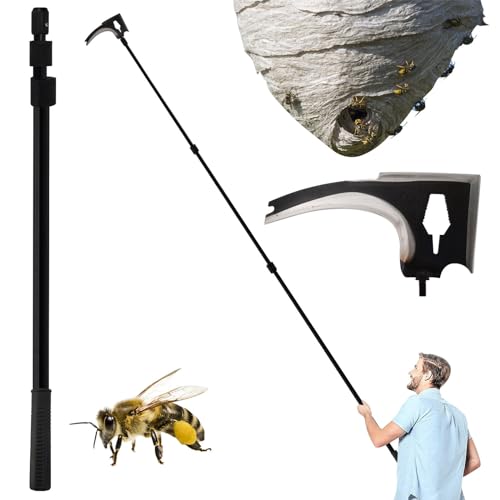
- ground bee nest remover tool
- wasp and hornet spray for ground nests
- garden sprayer spray bottle for vinegar pest control

Before You Start
Identify the nest entrances and observe bee activity from a safe distance. Wear protective clothing such as long sleeves, closed-toe shoes, gloves, and eye protection. Do not attempt to remove or disrupt a nest during peak activity or if you are allergic to bee stings. Plan to treat during cooler parts of the day when bees are less active. Estimate a treatment window of 30 to 60 minutes for initial applications, with follow-up checks over several days. Never spray into living areas, food preparation zones, or water sources.
Step-By-Step: How To Get Rid Of Ground Bees With Vinegar
- Locate the nest entrances and mark the main entry points without disturbing the bees.
- Prepare a vinegar solution suitable for pest control. A common mix is white vinegar with water at a ratio of 1:1, or use straight white vinegar for a stronger effect. Pour or spray into a garden sprayer bottle for even application.
- Fill the garden sprayer spray bottle for vinegar pest control with the prepared solution, ensuring the nozzle is clean and set to a fine spray.
- Approach the nest cautiously and apply the vinegar solution directly into the entrance hole. Aim to saturate the soil around the entrance to create a discouraging environment for any returning bees.
- If the entry remains active, apply several targeted applications over a 1- to 2-day period, focusing on the nest opening and nearby tunneling areas. Avoid over-wetting the soil, which can cause runoff.
- Use the ground bee nest remover tool if you gain access to the nest or need to physically seal the entrance after treatment. This can help reduce ongoing activity and discourage re-entry.
- Monitor for at least 48–72 hours. Check for new activity, and re-treat as needed, particularly after rainfall when the soil is moist and bees may re-emerge.
- Consider placing a physical barrier or soil cover over the treated entrance to prevent reoccupation by foraging bees or other insects.
- Manage nearby flowering plants or attractants that may encourage bee activity in the treated area. Maintain distance and avoid disturbing the nest while it recovers.
- If multiple nests are present or activity does not decline after several days, switch to an alternative method such as a targeted spray for ground nests or seek professional guidance.
- Document the area and note any changes in bee behavior to inform future garden planning and pest management.
Troubleshooting
| Symptom | Likely Cause | Fix | Prevention |
|---|---|---|---|
| Bees resume activity after 24 hours | Entrances not fully treated or multiple entry points | Reapply vinegar solution to all visible entrances; inspect soil for additional tunnels | Inspect area periodically and seal known entrances once activity ceases |
| Strong odor or staining from vinegar | Excessive application or runoff | Reduce application volume; apply directly into entrances with careful misting | Apply on calm days to prevent drift; use protective barriers |
| Bees become aggressive | Nest disturbance | Back away slowly; avoid further disturbance; use protective gear | Limit proximity and use alternative removal methods if confrontation persists |
| Nest activity continues after several days | Underground tunnels not fully treated | Consult ground nest remover tool or professional for deeper access | Plan professional assessment for persistent nests |
Common Mistakes
- Spraying from too close or at the wrong angle can agitate bees more than deter them.
- Relying on vinegar alone for deeply buried nests or high colony activity.
- Ignoring safety steps, especially for individuals with bee allergies or sensitive skin.
- Using pesticides near edible gardens or water sources without proper protection.
- Rushing removal without observing the nest’s activity pattern and entry points.
Vinegar offers a low-toxicity approach but works best as part of a broader, careful plan that includes observation, targeted applications, and post-treatment monitoring.
Tips For Best Results
- Apply vinegar when temperatures are mild (50–70°F) to minimize bee activity and drift.
- Directly treat entrances and nearby soil rather than broad landscape spraying to conserve vinegar and limit exposure.
- Combine approaches: use the ground bee nest remover tool for physical intervention if safe and accessible.
- Keep children and pets away from the treated area until the soil is dry and the area is clear of activity.
- Document nest locations in a garden map to prevent future disturbance and plan planting that avoids high-risk zones.
Call A Professional
Seek professional help if any of the following apply: multiple nests within a 10- to 20-foot radius, persistent active nests after two or more treatment attempts, signs of a hive with a large population, or a history of severe allergic reactions among household members. If there are structural concerns around the nest, or if nests are near entrances to homes or play areas, a licensed pest professional provides safe, compliant solutions.
FAQ
Can I use straight vinegar to kill ground bees?
Straight vinegar can deter bees and disrupt entrance activity, but it may not eliminate a well-established nest. Combine with targeted physical methods or consider professional options for persistent nests.
How often should I reapply the vinegar solution?
Reapply every 24–48 hours for up to 3 days if activity continues, focusing on entrances and surrounding soil.
Are ground bees aggressive near their nests?
Ground bees can become defensive if their nest is disturbed. Use caution and wear protective gear; observe from a safe distance.
When is it necessary to call a professional?
Call a pro if there are multiple nests, persistent activity after several days, or if the nest is near entrances or high-traffic areas.
Buying Guide
Choosing the right tools and methods for ground bee management involves balancing safety, effectiveness, and practicality. When considering vinegar-based approaches, think about nest location, soil type, and the proximity of people and pets. For households that prefer minimal chemical use, combining a vinegar spray with targeted tools can offer meaningful relief without harsh pesticides. Here are key buying factors to consider:
- Size and scope of nests: Small, isolated nests are typically more manageable with simple treatments, while larger numbers may require specialized tools or professional intervention.
- Noise level and odor: Vinegar smells may be noticeable near treated areas; plan for placement and timing to minimize disruption.
- Energy efficiency and ease of use: A reusable garden sprayer with a fine mist nozzle helps apply evenly and conserves liquid.
- Controls and durability: Look for sprayers with adjustable spray patterns and durable seals to prevent leaks.
- Placement possibilities: A spray bottle for vinegar pest control is convenient for targeted applications; a longer wand can help reach ground entrances safely.
Consider combining tools to maximize effectiveness: a ground bee nest remover tool for physical entry control, a wasp and hornet spray for ground nests for targeted treatment if needed, and a garden sprayer spray bottle for vinegar pest control for routine applications. Assess your garden layout, nest density, and personal safety needs to decide the best combination. Would you like help choosing a setup tailored to your yard size and nest patterns?
Leave a Reply