How to Remove Grey Tones in Blonde Hair: A Practical Guide
Blonde locks can develop unwanted grey or brassy tones over time due to mineral buildup, sun exposure, or chemical processing. This guide offers a clear, practical approach to neutralize those tones and refresh blonde color safely at home or in a salon setting. By following structured steps and using the right tools, you can maintain a cooler, brighter blonde with minimal damage.
Quick Answer
To counteract grey or brassy tones in blonde hair, use a purple or blue-toned toner or dye, perform a controlled color refresh as needed, and maintain with UV protection and color-safe care. Start with a strand test and choose a kit that includes dye brushes and bowls for precise application.
What You’ll Need
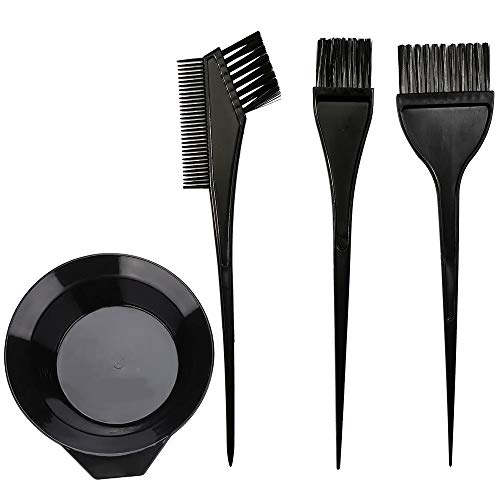
- Hair dye application brush and mixing bowl set
- Professional hair color kit with dye brushes and bowls
- Hair coloring cape neck strap Salon cape kit
- Purple or blue-toned toner or dye appropriate for your base level
- Gloves, timer, and a plastic comb
- Clarifying shampoo and a color-safe conditioner


Before You Start
Assess your current shade and decide whether a toner or a light color refresh is best. Patch test for allergies 48 hours before applying any dye. Work in a well-ventilated area and protect surfaces with a cape or old towel. Time estimates vary: a quick toning session might take 30–45 minutes, while a full color refresh at home could take 60–90 minutes. If you have previously processed hair or chemical damage, proceed cautiously and consider a professional consult.
Step-By-Step: How To Neutralize Grey Tones In Blonde Hair
- Prepare your workstation with all tools within reach and worn gloves on both hands. Read the product directions thoroughly before mixing any color.
- Conduct a strand test on a discreet section to confirm the shade result and processing time. Note how the pigment reacts to your base level.
- Mix your toner or dye according to the kit instructions, using the hair dye application brush and mixing bowl set or the professional hair color kit with dye brushes and bowls for accuracy.
- Section hair into four parts using clips to ensure even coverage. Start at the roots and work toward the ends, focusing on greying or brass-prone areas.
- Apply the toner or dye evenly, avoiding smudges on the scalp. Use a comb to distribute color and ensure thorough saturation.
- Set a timer according to the product guidance. Do not leave dye on longer than recommended to protect hair integrity.
- Rinse with lukewarm water once the processing time is complete. Use a color-safe shampoo and then apply conditioner to seal the tone.
- Dry and style as desired. If results aren’t as cool-toned as hoped, assess whether a follow-up treatment after a few weeks is appropriate.
- Follow maintenance steps: use color-safe products, limit heat styling, and wear UV protection to minimize yellowing or grey re-emergence.
- Schedule regular touch-ups as needed to maintain a cool blonde tone, keeping in mind hair health and growth cycles.
- Document the process for future reference, noting product type, timing, and results to guide consistent results next time.
- Dispose of any leftover mixture per product instructions and clean tools thoroughly to prevent cross-contamination.
Troubleshooting
| Symptom | Likely Cause | Fix | Prevention |
|---|---|---|---|
| Too ashy or dull result | Under-toning or insufficient processing time | Re-test on a strand and reprocess with a stronger toner | Follow manufacturer guidelines; avoid over-processing |
| Unwanted purple or blue tint | Over-toning for your base level | Wash with an appropriate clarifying shampoo lightly, then re-tone with correct shade | Use precise strand tests and correct shade choice |
| Uneven color | Uneven application or uneven porosity | Reapply to problem areas using careful sectioning | Ensure full saturation during initial application |
| Hair feels dry after toning | Repeated chemical processing or over-processing | Condition deeply; consider a bond-building treatment | Space out toning sessions and use moisture-rich products |
| Color fades quickly | Frequent washing or harsh products | Switch to color-safe products and reduce wash frequency | Protect hair from sun and chlorine exposure |
Common Mistakes
- Skipping a strand test and assuming the color result
- Using the wrong toner shade for the current base level
- Applying dye directly to scalp, causing uneven distribution
- Over-processing or leaving dye on too long, leading to damage
- Neglecting aftercare, which accelerates color fading
Tips For Best Results
- Always perform a strand test to confirm timing and shade on your base level.
- Choose a toner or dye shade aligned with your current undertones to avoid muddy results.
- Use a dedicated color-safe shampoo and conditioner to extend tone quality.
- Limit heat styling and use a heat protectant to preserve color.
- Protect hair from sun exposure and chlorinated water with appropriate products or hats when outdoors.
Call A Professional
Consider a professional colorist if you notice persistent brassiness, damage from previous color work, or if you want a complex transformation. Stop and seek help if scalp irritation, severe uneven color, or unexpected chemical reactions occur.
FAQ
Can I fix grey tones with a home kit?
Yes, but proceed with caution, follow instructions closely, and perform a strand test before full application.
How often should I tone blonde hair?
Depends on growth and maintenance; many people refresh every 4–6 weeks to preserve cool tones.
What’s the difference between toner and dye?
Toner neutralizes specific tones without significantly changing level, while dye shifts the color more noticeably.
Is there a risk of damaging my hair with toners?
Any chemical processing carries some risk; choose conditioning products and avoid over-processing to protect hair health.
What tools help with precise application?
A hair dye application brush and mixing bowl set or a professional hair color kit with dye brushes and bowls improve accuracy.
Should I apply toner at the roots or ends first?
Apply to roots first if roots show more grey; otherwise apply evenly across sections to ensure uniform toning.
Buying Guide
When choosing products to manage grey tones in blonde hair, consider size, shade availability, and compatibility with your base level. Look for kits that include dye brushes and bowls for precise application, and choose a cape kit to protect clothing during processing. Evaluate the tone range—lavender, purple, and blue-based toners help neutralize brass and grey tones effectively. Consider energy-efficient packaging and long-lasting tools that can withstand multiple uses. If you have sensitive skin, review ingredient lists and opt for gentler formulations. Finally, assess safety features like gloves, ventilated packaging, and clear instructions for home use.
Leave a Reply