How to Get Rid of Grey Hair in Beard
The appearance of grey hairs in the beard can be a common concern for many men seeking a younger or more uniform look. This guide explains practical, safe methods to reduce or disguise gray in facial hair, from temporary concealers to long-lasting color solutions. It emphasizes simple steps, common tools, and realistic expectations to help readers choose the right approach for their lifestyle.
Quick Answer
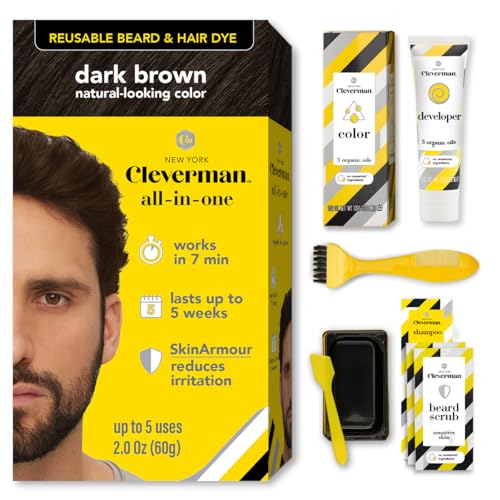
For a quick, low-commitment fix, use a beard color touch-up pen gray beard or an instant beard concealer powder for gray beard to blend grays. For longer-lasting results, apply a beard dye kit for gray hair men 2 oz, following the product’s instructions and performing a patch test first. Regular maintenance can keep the beard looking even-toned without frequent reapplication.
What You’ll Need
Having the right tools makes color correction easier and safer. The following list covers common options and includes items designed specifically for gray beard coverage.
- Beard dye kit for gray hair men 2 oz (for full or extensive gray coverage)
- Beard color touch-up pen gray beard (for precise, quick touch-ups)
- Instant beard concealer powder for gray beard (for temporary, powder-based blending)
<li Gloves, timer, and a small brush or applicator
<li Gentle beard shampoo and conditioner for prep
<li Patch test sample (to check for irritation)


Before You Start
Before applying color or concealers, consider skin sensitivity and beard texture. Perform a patch test on the inner forearm 24–48 hours before full application to minimize potential irritation. Clear the work area and protect clothing with a towel or cape. If color chemicals are used, follow the included instructions precisely, including timing and rinsing steps. Do not apply products near eyes or mucous membranes. If the beard is very short or patchy, you may prefer targeted touch-ups rather than full coverage.
Time estimates vary by method: a quick touch-up can take 5–10 minutes, while full dye application may require 15–30 minutes plus processing time. Plan for a gentle, thorough rinse and dry to avoid residue or uneven tones.
Step-By-Step: How To Tackle Grey Hair In Beard
- Choose the coverage approach: decide between full dye, a color touch-up pen, or concealer powder based on how much gray is present and how long you want the result to last.
- Prep the beard: wash and dry the beard completely. Remove loose hairs and comb to ensure even contact with the product.
- Perform patch testing if not already done, following the product’s instructions for timing and reaction signs.
- Mix or prepare the dye or applicator according to the package. For dye kits, mix the color with the activator if required.
- Apply the dye or color to the beard in small sections, starting at the roots where gray is most noticeable. Use a comb or applicator to distribute evenly.
- For touch-up pens: apply to grays, focusing on the mid-length and ends as needed to blend with natural color. For concealer powder: lightly dust over grays and blend outward with a brush.
- Wait the recommended processing time. Avoid over-processing, which can lead to harsh color or skin irritation. Rinse carefully with lukewarm water if using dye; otherwise, remove makeup remover as directed.
- Condition the beard after rinsing to restore moisture and maintain softness. Pat dry with a towel rather than rubbing vigorously.
- Assess the result in natural light and adjust with a second light pass if necessary. Err on the side of subtlety to prevent over-darkening.
- Continue routine maintenance: schedule color touch-ups every 2–6 weeks for full coverage, or as needed for touch-up pens and powders.
- Store products according to the label, keeping them out of direct sunlight and away from heat sources to preserve color stability.
Troubleshooting
| Symptom | Likely Cause | Fix | Prevention |
|---|---|---|---|
| Uneven color at the beard edges | Product applied too thickly or uneven distribution | Reapply a thin layer and blend with a brush | Apply in small amounts; use a comb for even distribution |
| Color looks too dark | Over-processing or choosing a shade too dark | Rinse with diluted conditioner to fade excess color | Choose a shade lighter next time; test patch first |
| Patchy gray blending | Locks of hair absorbing product differently | Apply more product to sparse areas, blend outward | Apply in multiple light passes rather than one heavy coat |
| Color fading quickly | Washing frequency or harsh cleansers | Switch to a mild beard shampoo; reapply as needed | Reduce washing to every other day; use color-safe products |
| Irritation or itching | Allergic reaction or sensitivity to ingredients | Rinse off immediately and discontinue use | Always perform a patch test; consult a dermatologist if irritation persists |
Common Mistakes
- Applying color too close to the skin’s edge, creating a harsh line
- Overlooking patch tests, leading to unexpected irritation
- Choosing a shade that does not match the natural beard color
- Rushing the process and skipping the conditioning step
- Ignoring aftercare, which can shorten longevity
Tips For Best Results
Opt for a shade that matches the beard’s existing color as closely as possible, not the scalp color. Start with a lighter approach and gradually build coverage for a natural look. When using a powder concealer, blend in the direction of hair growth to avoid a chalky finish. For full coverage, combine a dye with conditioning agents to protect hair integrity. Always finish with a lightweight beard oil or balm to restore shine and reduce dry texture.
Call A Professional
Consider professional help if the beard is very coarse, heavily gray, or if there is sensitive skin, eczema, or a history of allergic reactions. Stop and seek a clinician’s advice if there is persistent redness, swelling, or discomfort after applying any product. A barber or licensed colorist can tailor shade selection and application technique to the individual’s facial hair density and skin tone, delivering a seamless and natural result.
FAQ
Can I color only some gray hairs in my beard?
Yes, using a touch-up pen or concealer allows targeted coverage without full dyeing.
How often should I reapply color to maintain the look?
Frequency depends on the product and hair growth, typically every 2–6 weeks for full dye and as-needed for touch-up products.
Will dyeing a beard damage the hair?
Most modern beard dyes contain conditioning agents, but follow directions to minimize processing time and avoid overuse.
Is there a risk of skin irritation?
Patches tests reduce risk; discontinue use if irritation occurs and consult a dermatologist if needed.
Buying Guide
When choosing products to manage gray beard hair, consider size, shade range, and formula. Think about how you want the result to look: a natural blend for daily wear or a bold, uniform color for a dramatic change. Noise-free, quick-apply options like touch-up pens can be ideal for busy mornings, while dye kits offer longer-lasting coverage. Look for color-safe formulations and moisturizing ingredients to protect beard hair. Placement matters as well; rare or prominent gray areas may benefit from a combination approach—dye for fullness and a concealer powder for minor touch-ups. If uncertain, consult a professional for shade matching and technique before committing to a full dye.}
Leave a Reply