How to Get Rid of Green Undertones in Hair
Green undertones in hair are a common issue for people with color-treated or naturally darker hair exposed to minerals in water, chlorine, or copper in the environment. This guide offers practical steps, safe products, and troubleshooting tips to restore neutral tones without damaging the hair.
Quick Answer
To neutralize green undertones quickly: use a red color depositing shampoo to neutralize green hair undertones for direct color cancellation, then refresh with an orange toner conditioner for green hair neutralization to even out the tone. For mineral buildup that perpetuates green tint, a chelating clarifying shampoo to remove minerals chlorine from green hair helps prepare the hair for color-safe conditioning.
What You’ll Need
- Red color depositing shampoo to neutralize green hair undertones
- Orange toner conditioner for green hair neutralization
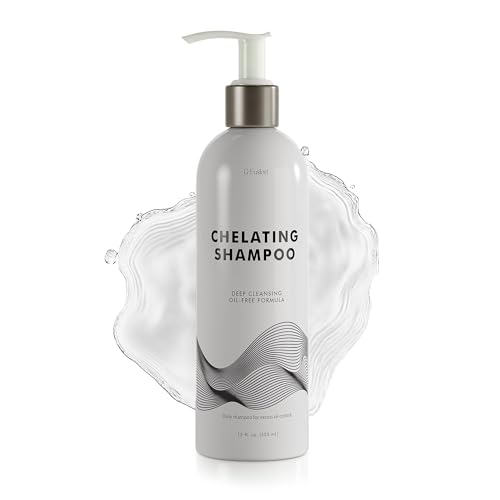
- Chelating clarifying shampoo to remove minerals chlorine from green hair
- Color-safe conditioner or deep conditioner
- Wide-tooth comb and hair towel
- Gloves and a plastic cap
- Fresh water for rinsing


Before You Start
Assess hair condition and patch test any product 24–48 hours before use. Protect skin and clothing to avoid staining, especially with color-depositing products. Schedule treatments after cleansing to avoid sealing minerals with product buildup. Time estimates vary by method: expect 15–30 minutes for color depositions and 20–40 minutes for chelating treatments. Avoid overlapping chemical processes if you have recently colored hair or if you have sensitivities to hair dyes.
Step-By-Step: How To Tackle Green Undertones
- Start with a chelating clarifying shampoo to remove minerals chlorine from green hair from scalp to ends. Massage gently and rinse thoroughly to lift mineral buildup that sustains the green tint.
- Apply a red color depositing shampoo to neutralize green hair undertones evenly across the hair, focusing on the mid-lengths and ends where the tint is strongest.
- Let the deposit sit for the recommended time on the product label, typically 3–5 minutes, then rinse with lukewarm water.
- If green tones persist, reapply the red color depositing shampoo for a second treatment, again paying attention to the problem areas.
- Follow with a orange toner conditioner for green hair neutralization to balance the color and add warmth where needed. Leave on for 3–7 minutes, then rinse.
- Condition the hair with a color-safe conditioner to restore moisture. If the hair feels dry, use a deeper conditioning treatment or weekly hair mask.
- Rinse with cool water to close the cuticle and lock in the neutralized tone. Gently blot hair with a towel; avoid rubbing, which can cause frizz.
- Style as usual. If the undertone shifts again after a wash, repeat the color-depositing and toning steps, ensuring you follow the product directions carefully.
Troubleshooting
| Symptom | Likely Cause | Fix | Prevention |
|---|---|---|---|
| Green tint returns after a few washes | Residual minerals or uneven deposit | Repeat red color depositing shampoo, then shield with chelating wash monthly | Avoid hard water exposure; use a shower filter |
| Hair looks brassy or yellow instead of neutral | Over-deposit of red/orange tones | Switch to milder deposit or reduce application time | Use color-safe products and follow the recommended usage times |
| Reddish or purple tint after use | Color deposit products interacting with underlying pigments | Rinse thoroughly and condition well; avoid leaving product on too long | Test on a small strand first next time |
| Dry, straw-like texture after chelating | Overuse of strong chelating shampoo | Limit to recommended frequency; follow with deep conditioning | Alternate with gentle cleansers between chelating sessions |
Common Mistakes
- Applying color-depositing products too frequently in a short period
- Not performing a patch test or strand test before full application
- Pooling products on the scalp, which can cause buildup or staining
- Using hot water during rinsing, which can open the cuticle and intensify tones
- Ignoring mineral buildup and chlorine in pool or hard water environments
Tips For Best Results
- Test a small strand first to gauge how the hair reacts to the deposit and toner.
- Limit bath-time of color-depositing products to the minimum effective duration.
- Consider a shower filter to reduce minerals that contribute to copper-green tinting over time.
- Always follow up with a high-quality conditioner to maintain moisture balance and prevent over-drying.
- Maintain a routine that alternates chelating washes with color-safe cleansing to manage buildup.
Call A Professional
Seek a professional colorist if green undertones persist after multiple at-home treatments, especially after chelating and depositions. Stop and consult a pro if you experience scalp irritation, redness, or an allergic reaction to any product. Persistent color issues after swimming in chlorinated pools or exposure to metals may require professional color balancing or a targeted treatment plan.
FAQ
Can I use red color depositing shampoo every day?
Daily use is generally not recommended; follow product directions and space applications to avoid over-depositing.
Will orange toner conditioner fix all green undertones?
Orange tones can help balance some green undertones, but results vary by base hair shade and buildup. Pair with chelating washes as needed.
Is chelating shampoo safe for color-treated hair?
Chelating shampoos are safe when used as directed and not overused; they remove minerals but can dry hair if used too frequently.
How often should I chelate my hair?
Typically every 4–6 weeks for mineral-heavy environments, or after substantial pool exposure; adjust based on results and hair condition.
What if I have copper buildup from water pipes?
Chelating shampoo helps remove copper buildup; a professional can provide a tailored plan if buildup persists.
Are there safer alternatives to color depositing products?
Color-safe toners and purple/blue shampoos can help, but red-depositing options are often most effective for cancelling green undertones.
Buying Guide
Choosing the right products depends on your hair goals and environment. Consider size, frequency of use, and how much maintenance you’re willing to undertake. Key factors include:
- Size and frequency: If you color-deposit often, choose larger bottles or bundle options for savings and easier maintenance.
- Noise level and practicality are not typically relevant for home use but ensure pumps and packaging are user-friendly.
- Energy efficiency and product formulation impact hair health; look for nourishing ingredients alongside effective toning agents.
- Controls and dosing: clear timing and usage instructions help prevent over-processing.
- Placement store in a cool, dry place away from direct sunlight to preserve product integrity.
When evaluating options, compare how quickly each product acts, whether it requires a pre-wath process like chelating, and how compatible it is with your current color regime. If you swim regularly or have hard water, prioritize chelating capabilities alongside color-depositing options to maintain a balanced shade.
Leave a Reply