How to Remove Grease Stains From Clothes and Fabrics
Grease stains can be stubborn, but with the right approach, most fabrics can be saved. This guide walks through practical, step-by-step methods using common stain removers designed for fabrics, along with tips to prevent set-in marks and odors.
Quick Answer
Act fast to blot away excess grease, pretreat with an enzymatic cleaner or grease-specific remover, and launder as directed. For delicate fabrics, air dry and check before a second wash. If stains persist, repeat the treatment before drying.
What You’ll Need
The following tools and products help address most grease stains on clothing and fabrics.
- Enzymatic grease stain remover spray for fabrics
- Stain cleaning brush microfiber grease remover
- Grease stain remover kit for clothes enzymatic cleaner


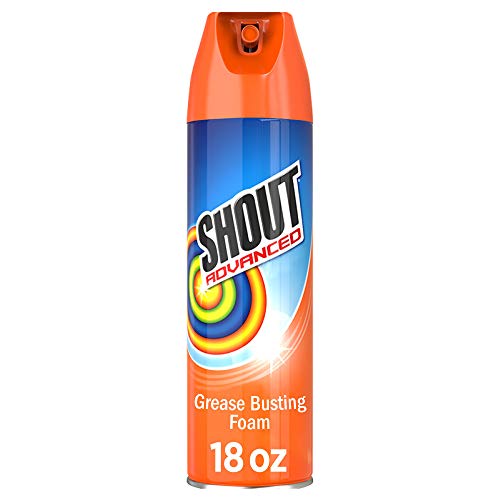
Before You Start
Test any product on an inconspicuous area first to avoid color loss. Treat grease stains as soon as possible; heat can set stains. For delicate fabrics like silk or wool, consider a gentler approach or professional cleaning. Time estimate: 20–60 minutes plus wash time. Safety: wear gloves if using strong cleaners and ensure good ventilation when spraying enzymatic cleaners.
Step-By-Step: How To Remove Grease Stains
- Blot excess grease with a clean paper towel without rubbing, to prevent spreading the stain.
- Apply a small amount of enzymatic grease stain remover spray for fabrics directly to the stain and let it sit for 5–10 minutes.
- Gently brush the area with the stain cleaning brush microfiber grease remover to work the cleaner into the fibers.
- Rinse the fabric under cold running water from the back of the stain to push the grease out.
- Apply a grease stain remover kit for clothes enzymatic cleaner if the stain remains, following the package directions.
- Wash the item in the hottest water allowed by the care label with a regular laundry detergent, and check before drying.
- Air-dry the fabric to confirm the stain is gone; avoid heat until you’re sure the stain is fully removed.
- If any residue persists, repeat the treatment or consider a secondary enzyme-based cleaner before repeating the wash.
- For upholstery or non-washable items, dab with an enzymatic cleaner and blot dry, then seek professional cleaning if needed.
Troubleshooting
| Symptom | Likely Cause | Fix | Prevention |
|---|---|---|---|
| Stain remains after wash | Stain set-in or insufficient pretreatment | Repeat pretreatment, use more enzymatic cleaner, wash again | Treat promptly, use cold water first, avoid heat before stain is gone |
| Discoloration on fabric after cleaning | Colorfast issue or harsh cleaner | Test product on hidden area; choose milder option; rinse thoroughly | Always perform a spot test and follow care label directions |
| Grease smells after wash | Residual grease not fully removed | Re-treat with enzymatic cleaner and re-wash | Pre-treat before washing, use odor-neutralizing additives if fabric allows |
Common Mistakes
- Rubbing the stain aggressively, which spreads grease deeper
- Not pretesting cleaners on delicate fabrics
- Using hot water on visible stains before treating
- Skipping the air-dry step to check for stain removal
Avoid these missteps to improve the odds of a clean recovery. Subtlety and patience often beat forceful scrubbing.
Tips For Best Results
- Address fresh grease within 15–30 minutes for the best outcome.
- Choose enzymatic formulas designed for fabrics to target fats and oils.
- Always follow the care label on your garment to prevent damage.
- For synthetic fabrics, cold water pretreatment is generally effective; for cotton, a warm wash can help after pretreatment.
- Keep a dedicated stain-removal kit on hand for quick response.
Call A Professional
Consider professional cleaning if the stain is on valuable or delicate fabrics (silk, suede) or if the stain has persisted after multiple at-home treatments. Seek help for hard-to-clean upholstery or leather items where home methods may cause damage.
FAQ
What is the best first step for a fresh grease stain?
Blot the spill with a clean cloth and apply an enzymatic cleaner or grease remover spray designed for fabrics.
Can I use dish soap for grease stains?
Dish soap can help when enzyme-based products aren’t available, but use it lightly and test first on a hidden area.
Should I use hot water to remove grease stains?
Avoid hot water for most grease stains initially; cold or lukewarm water is safer to prevent setting the stain.
Will baking soda help with grease stains?
Baking soda can absorb grease initially, but it’s not a substitute for proper enzymatic cleaners and washing.
How many times should I repeat treatment?
Repeat treatment once or twice if a stain persists after the first wash, before drying the garment.
Is it safe to machine wash all fabrics?
No. Always check the care label, and test products on inconspicuous areas for fabrics like silk or wool.
Can I use these methods on upholstery?
Yes, but use fabric-safe upholstery cleaners and follow manufacturer guidelines; test first in an inconspicuous spot.
Buying Guide
When selecting products to remove grease stains, consider size and storage space, noise level (for any powered cleaners), energy efficiency, and control options. Look for enzyme-based formulas that target fats and oils and are safe for common fabrics like cotton, polyester, and blends. A kit that includes a dedicated stain brush and an enzymatic cleaner can streamline the process. Consider placement and accessibility: keep cleaners where stains are likely to occur (laundry room, utility closet). Compare products by stain type (grease, oil, food) and fabric compatibility to pick the right solution for your needs.
Leave a Reply