Effective Ways to Get Rid of Goldenrod in Your Garden
Goldenrod can be a beautiful wildflower, but in many landscapes it becomes an aggressive weed that crowds out desirable plants. This guide presents practical, American-friendly methods to control goldenrod using a mix of mechanical, cultural, and chemical strategies. It emphasizes safety, efficiency, and long-term suppression to keep your beds looking tidy and healthy.
Quick Answer
Best overall approach: combine targeted herbicide applications with mechanical removal and ongoing maintenance. For large, established stands, use a selective broadleaf weed killer, then follow with root digging and regular mowing to prevent reestablishment. For small patches, manual pulling after rain and regular monitoring can be effective without chemicals.
What You’ll Need
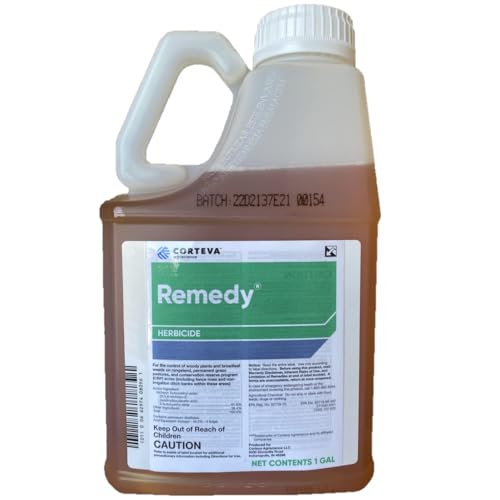
- Triclopyr weed killer broadleaf concentrate 1 gallon for selective broadleaf control
- Garden sprayer 1 gallon for applying herbicides to reach roots and deep stems
- Long-handled weeder weed puller for deep-rooted weeds to extract roots

Before You Start
Goldenrod can spread by creeping rhizomes and wind-dispersed seeds. Prepare the area by clearing debris and marking nearby desirable plants to protect them during treatment. Wear gloves, eye protection, and a long-sleeve shirt when handling herbicides. Avoid spraying on windy days to prevent drift onto non-target plants. Estimate time for the first pass is typically 1–2 hours for small patches, and several sessions for larger infestations.
Step-By-Step: How To Get Rid Of Goldenrod
- Inspect the area to identify the extent of goldenrod growth and map out patches that require treatment.
- For small clumps, manually pull the plants, loosening the soil first and removing as much of the root system as possible.
- For larger stands, mix the triclopyr weed killer broadleaf concentrate per label instructions in the garden sprayer 1 gallon to create a targeted solution.
- Apply the herbicide directly to the goldenrod leaves and stems, concentrating on the growing points. Avoid non-target plants by shielding surrounding vegetation.
- After treatment, loosen the soil around dead or weakened plants and remove root pieces with the long-handled weeder weed puller to reduce re-sprouting.
- Monitor treated areas over the next 4–6 weeks for new growth and reapply treatment if necessary, following label directions for re-entry times and precautions.
- Use repeated mowing to disrupt flowering and seed production, which helps reduce seed bank and spread.
- In areas prone to reinvasion, establish a healthy planting scheme with competitive groundcovers to outcompete regrowth.
- Dispose of pulled plant material away from garden beds and compost only if your compost system reaches high enough temperatures to kill seeds.
- Seasonally reassess the site and adjust treatments, combining cultural controls with selective chemical use when needed.
- If goldenrod persists after several seasons, consider a professional weed management assessment for integrated strategies.
Troubleshooting
| Symptom | Likely Cause | Fix | Prevention |
|---|---|---|---|
| Regrowth after initial treatment | Underserved roots or untreated runners | Respray targeted areas following label directions | Apply timely follow-up applications; monitor sites closely |
| Non-target plant damage | Herbicide drift or misapplication | Use drift shields, increase nozzle distance, and spray on calm days | Careful spot treatment and buffer zones around desirable plants |
| New goldenrod shoots near treated zones | Seed bank or nearby rhizomes | Extend treatment area and repeated mechanical removal | Maintain annual monitoring and early intervention |
| Grass-like groundcover decline | Herbicide impact on adjacent species | Adjust application pattern; use shielded spraying | Strengthen competition with robust groundcovers |
Common Mistakes
- Applying herbicide on windy days, causing drift to desirable plants
- Using herbicides without proper label reading and safety gear
- Relying on a single method for a large, established infestation
- Ignoring root fragments during removal, leading to re-sprouting
Tips For Best Results
- Time treatments for late spring or early fall when goldenrod is actively growing
- Combine chemical control with mechanical removal to disrupt the root system
- Keep a garden journal noting growth, treatments, and outcomes to tailor future interventions
- Choose native or well-adapted plants to improve site resilience and reduce reinfestation
- Store and label herbicides securely away from children and pets
Call A Professional
Consider a professional if the infestation covers a large area, if repeated chemical applications are required, or if nearby plants show sensitivity to herbicides. Stop and consult a pro if you notice excessive chemical drift, soil or water contamination, or discomfort during application.
FAQ
What is the best method to start controlling goldenrod?
Begin with manual removal of small patches, then assess whether chemical control is needed. This helps reduce the seed bank and roots.
Can I use a general weed killer for goldenrod?
Selective broadleaf herbicides containing active ingredients like triclopyr are effective, but always follow label directions and safety precautions.
How often should I monitor treated areas?
Check the site every 2–4 weeks for several months after treatment to catch regrowth early.
Is mowing helpful for goldenrod control?
Regular mowing can suppress flowering and seed production, aiding long-term reduction when combined with other methods.
Are there non-chemical options I should try first?
Yes. Mechanical removal, mulching, and competitive planting can reduce reliance on herbicides and support sustainable control.
Buying Guide
When selecting tools and products to manage goldenrod, buyers should focus on compatibility with local conditions and ease of use. Consider size, efficiency, and safety features to ensure successful long-term control.
Key Buying Factors
- <bSize and capacity: A 1-gallon garden sprayer is a common size for spot treatments and small-to-medium plots. For larger areas, consider a larger unit with a comfortable wand and adjustable nozzle.
- <bNoise level and ease of use: Look for sprayers and soil tools with ergonomic handles, minimal vibration, and clear instruction sets to keep work efficient and safe.
- <bEnergy efficiency and chemical compatibility: Choose equipment that uses minimal power and is compatible with the herbicides you plan to use, ensuring optimal spray patterns and reduced waste.
- <bControls and safety: Clear measurement marks, shut-off valves, and protective gear recommendations help prevent over-application and exposure risks.
- <bPlacement and coverage: Plan the layout of treated beds to maximize coverage while protecting desirable plants and soil health. Drip zones and buffer areas can reduce drift and collateral damage.
With thoughtful selection of tools and a layered approach that combines manual and chemical methods, homeowners can reclaim beds from goldenrod while maintaining a healthy, vibrant garden. Ready to tackle goldenrod with practical, proven steps? Start with a quick assessment, then implement the plan that best fits your landscape and tolerance for chemical use.
Leave a Reply