How to Get Rid of Fuzz Balls on Clothes
Fuzz balls, or pills, can make knitwear and fabrics look worn. With the right tool and technique, you can restore a smooth, fresh appearance without damaging fibers. This guide focuses on practical steps for American households using common fabric shavers and removers.
Quick Answer
Choose a fabric shaver or pill remover designed for clothing, set it to the appropriate speed, and glide it gently over the surface in even, light passes. For delicate sweaters, start with a low setting and test on a hidden area. Regular upkeep prevents heavy pilling and keeps fabrics looking new.
What You’ll Need
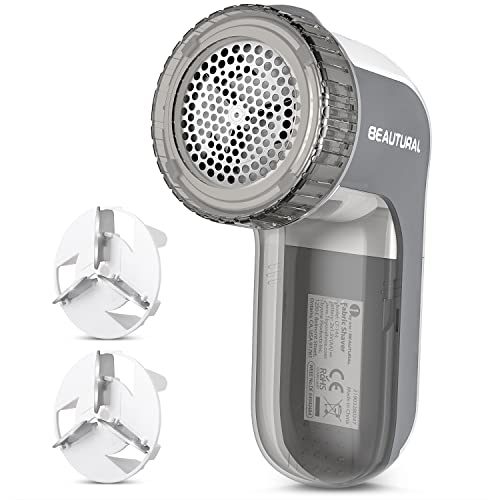
- Electric fabric shaver for pilling removal on clothes
- Manual handheld fabric pill remover with blades
- Battery operated clothes pilling remover sweater shaver


Before You Start
Assess fabric type before starting. Heavier knits and cotton blends tolerate stronger blades, while fine wools and cashmeres require gentler handling. Always unplug or switch off devices when adjusting heads or blades. Prepare a clean, well-lit workspace and keep a lint roller or tape handy to collect loosened pills. Time estimate: 5–20 minutes per garment, depending on fabric and pilling severity. Important: avoid applying pressure that digs into the fabric, which can cause snags or thinning.
Step-By-Step: How To Remove Pills From Clothes
- Inspect the garment to identify pilling hotspots such as underarms, sleeves, and hems.
- Choose the appropriate tool—an electric fabric shaver for heavier pills or a manual handheld remover for delicate fibers.
- Test the tool on a hidden seam or inside hem to confirm it won’t damage fibers.
- Hold the fabric flat and taut to prevent wrinkles and guiding pills to the blades evenly.
- Gently move the shaver in small, slow circles or straight passes, covering each area once or twice.
- Periodically pause to clear lint and pill debris from the device for consistent cutting action.
- Continue around the garment, paying extra attention to high-traffic areas where pills accumulate.
- After removing pills, lightly brush the fabric with a soft garment brush to lift fibers and restore texture.
- Inspect for missed pills and repeat only where necessary to avoid over-shearing.
- Clean the device according to the manufacturer’s instructions and store it safely away from children.
- Test the finished surface by wearing the garment or washing it as recommended by fabric care guidelines.
- Optional: apply a fabric refresher spray to revive the garment’s appearance after pill removal.
Troubleshooting
| Symptom | Likely Cause | Fix | Prevention |
|---|---|---|---|
| Fabric snagging or pulled fibers | Too much pressure or dull blades | Use light pressure; sharpen or replace blades; test first | Gentle passes; keep blades clean |
| Pills return after removal | Repeated rubbing during wear or washing | Minimal heat, follow garment care instructions | Gentle handling; air dry instead of high-heat cycles |
| Device stops cutting effectively | Dust or lint clogging blades | Power off and clear debris | Regular maintenance and emptying |
| Uneven shave leaving fuzz | Uneven fabric tension | Keep fabric taut and steady | Work in small sections |
Common Mistakes
- Using heavy pressure to force pills out of the fabric
- Overusing the tool on delicate fibers such as cashmere or merino
- Neglecting to clean blades after each use, reducing effectiveness
- Skipping a test area, risking unsightly fabric damage
Tips For Best Results
- Choose the right tool: electric for larger pills, manual for delicate fabrics
- Work in natural daylight to better spot pills
- Pair pill removal with a gentle fabric brush for a polished finish
- Follow care labels to avoid shrinking or fiber damage
- Store devices in a dry place to prevent blade rust and corrosion
Call A Professional
Consider consulting a professional if a garment is particularly delicate, heavily pilled, or valuable. Signs you should seek help include persistent snagging, fabric thinning, or unfinished edges after repeated attempts. A tailor or dry cleaner may offer secondary options for fabrics that require specialized care or restoration.
FAQ
Can I use a fabric shaver on all fabrics?
Most fabrics tolerate fabric shavers, but delicate fibers like cashmere or silk may require a gentler handheld option and careful testing.
How often should I remove pills from knits?
Frequency depends on wear and washing, but inspecting every few wears and after washing helps maintain a smooth look.
Will fabric pills return after removal?
Yes, pills can reoccur with regular wear; combining careful washing, air drying, and gentle handling reduces recurrence.
Can I wash pills away after using a shaver?
Pills typically stay attached to the fabric; washing helps remove loose fibers but is not a cure for pilling.
Are there safety tips for kids around fabric shavers?
Keep blades covered and unplug devices when not in use; store out of reach of children.
Buying Guide
When selecting a fabric pilling remover, consider size, noise level, energy efficiency, controls, and placement in the home. For busy households, an electric fabric shaver for pilling removal on clothes with a compact design and safety features can be ideal, while a manual handheld fabric pill remover with blades offers control and portability for travel. For larger wardrobes or frequent maintenance, a battery operated clothes pilling remover sweater shaver can provide quick, quiet operation. Compare models by battery life, blade quality, and replacement parts availability. Placement options include a dedicated grooming drawer, a laundry room countertop, or a portable bag for on-the-go touch-ups. Look for detachable heads for easy cleaning and compatible replacement blades to extend the device’s life. If you regularly launder knit fabrics, a dual-function tool that handles both lint collection and pill removal can save time and space.
Leave a Reply