How to Get Rid of Fruit Fly Eggs Quickly and Safely
Fruit flies can be a nuisance when they lay eggs in ripe fruit, drains, or trash bins. This guide focuses on practical, American-friendly methods to reduce populations by targeting eggs and larvae, not just adults. By combining sanitation, trap placement, and a simple homemade bait with ready-made devices, you can reclaim a clean kitchen space.
Understanding that fruit fly eggs are tiny and often hidden helps readers adopt a multi-step approach. The steps below emphasize prevention, effective trapping, and verification to prevent re-infestation. The aim is to disrupt the breeding cycle and remove the eggs before they hatch into new adults.
Quick Answer
Act fast by eliminating breeding sources, using multiple traps, and replacing bait frequently. Target eggs by cleaning and sealing potential oviposition sites, then deploy traps such as an electric UV fruit fly trap indoors, sticky fruit fly traps for kitchen areas, and vinegar bait fruit fly trap kits to interrupt the life cycle.
What You’ll Need
- Electric UV fruit fly trap indoor
- Sticky fruit fly trap for kitchen
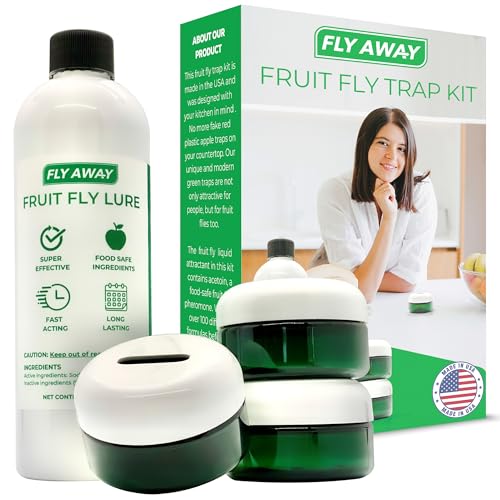
- Vinegar bait fruit fly trap kit
- Disinfectant and trash bags
- Compost bin cover or sealed container
- Paper towels or clean cloths for wiping spills


Before You Start
Prepare the area: empty and rinse fruit bowls, promptly discard overripe produce, and sanitize counters. Seal cracks around garbage bins and drain areas. Set up traps away from direct sunlight and in places where flies typically gather, such as near trash cans, compost, and sink drains. Time estimate: 20–60 minutes for initial setup; ongoing maintenance as needed. Caution: do not mix chemical cleaners with traps unless the product instructions permit it, and keep traps out of reach of children and pets. Proper ventilation is advised when using any liquid bait.
Step-By-Step: How To Get Rid Of Fruit Fly Eggs
- Identify hotspots where eggs are likely laid, including the bottom of fruit bowls, sink drains, and damp recycling bins.
- Remove breeding materials: promptly dispose of overripe fruit and compostables in tightly sealed bins.
- Clean surfaces with a mild disinfectant, paying attention to drains, garbage disposal, and kitchenHelper areas to remove residual eggs and larvae.
- Place an electric UV fruit fly trap indoors near problem areas, ensuring it is elevated at knee height or higher away from direct cooking spaces.
- Deploy sticky fruit fly traps for kitchen counters and fruit bowls to capture adults and prevent them from laying more eggs.
- Bait with a vinegar-based trap: mix a small amount of apple cider vinegar with a drop of dish soap in a container, cover with a paper cone or wrap to funnel flies inside.
- Check traps daily; replace bait and traps as needed to maintain effectiveness and prevent odor buildup.
- Maintain sanitation throughout the week: wipe spilled liquids, rinse sinks, and take out the trash regularly to minimize new egg-laying opportunities.
- Monitor progress for 1–2 weeks. If new eggs or flies persist, inspect for hidden breeding sites such as potted plant trays or broom closets with dampness.
- Reassess and adjust trap placement after the first week. A multi-trap approach often yields better results than a single device.
- When activity declines, gradually reduce the number of traps while maintaining cleanliness to prevent rebound.
Troubleshooting
| Symptom | Likely Cause | Fix | Prevention |
|---|---|---|---|
| Flies persist after setup | Eggs hatch in hidden areas | Extend sanitation to drains and under appliances | Regular cleaning schedule, seal entry points |
| Traps attract few insects | Weak bait or old traps | Replace vinegar bait, refresh sticky traps | Rotate trap types to cover different life stages |
| Odor from decaying matter | Overflowing bins | Empty bins daily, rinse with cleaning solution | Use sealed liners and tight lids |
| Traps lose effectiveness near drains | Moisture or humidity reduces trap performance | Place traps away from direct water streams; ensure dry surfaces | Ventilate areas; keep drains clean |
| Reinfestation from outside | Nearby fruit or produce remains | Inspect outdoor compost and fruit trees, cover ripe fruit | Outdoor sanitation; screen or seal entry points |
Common Mistakes To Avoid
- Relying on a single trap instead of a multi-pronged approach
- Ignoring hidden breeding sites like drains or compost bins
- Using stale bait or low-quality traps that lose scent quickly
- Neglecting sanitation around fruit bowls and sinks
Tips For Best Results
- Place traps at average eye level where fruit flies commonly gather for maximum visibility.
- Use a mix of trap types to target different life stages: the UV trap for large captures and sticky traps for quick checks.
- Change bait every 2–3 days to keep the scent strong and attractive.
- Keep doors and windows closed during peak activity hours to reduce new arrivals.
- Maintain a clean environment by wiping spills immediately and rinsing recycle bins weekly.
Call A Professional
If infestation persists for more than two weeks despite comprehensive measures, or if you notice fruit flies near electrical outlets, plumbing leaks, or in hard-to-reach areas, contact a pest control professional. Sudden, explosive populations or unusual insect behavior may require expert assessment and treatment. Also seek help if anyone in the household has sensitivities to sprays or has an allergy to pests.
FAQ
What attracts fruit fly eggs?
Overripe fruit, sweet liquids, and damp organic matter attract female fruit flies to lay eggs near a food source.
Are fruit fly eggs visible to the naked eye?
No. Fruit fly eggs are tiny and often laid in clusters; you’ll mostly notice the adult flies first.
How long do fruit fly eggs take to hatch?
Eggs typically hatch within 24–48 hours under favorable conditions.
Can I use essential oils to repel fruit flies?
Some essential oils may deter flies temporarily, but they do not address eggs or larvae; use them as a supplementary measure alongside traps and sanitation.
Buying Guide
Choosing the right set of tools depends on house layout, the severity of the infestation, and personal preference. Consider size and placement for devices like an electric UV fruit fly trap indoors, ensuring they fit near kitchens or dining areas without obstructing walkways. Look for low-noise operation and energy efficiency to minimize long-term costs. Adjustable trap height and the ease of replacing bait are helpful features. For quick, visible control, sticky fruit fly traps for kitchen use, placed near fruit storage and garbage areas, provide immediate capture while you address the root causes. A vinegar bait fruit fly trap kit is a budget-friendly option for homes with a smaller fly presence and offers a simple, disposable solution. Compare multi-pack options to cover several problem spots in larger kitchens or dining areas. When evaluating options, prioritize products with clear safety instructions, child and pet considerations, and compatible replacement parts or refills. Remember, no single tool cures all problems; combine traps with robust sanitation for best results.
Leave a Reply