How to Get Rid of Fruit Flies at Home Quickly and Safely
Fruit flies can be persistent intruders in kitchens, pantries, and garbage areas. Understanding their life cycle and using a combination of traps, sanitation, and smart placement can reduce their numbers effectively. This guide outlines practical steps, recommended tools, and best practices for American households seeking a lasting solution.
By following a structured approach, homeowners can curb fruit fly activity without harsh chemicals, using accessible products such as electric fruit fly trap with non-toxic attractant, sticky fruit fly traps for home, and UV light fruit fly killer indoor to complement routine cleaning and maintenance.
Quick Answer
Target adults with attractant traps placed near entry points and near fruit zones. Scale down breeding sites by removing overripe produce and promptly emptying waste. Use non-toxic attractants and UV or sticky traps to capture and reduce populations, then maintain sanitation to prevent recurrence.
What You’ll Need
- Electric fruit fly trap with non-toxic attractant
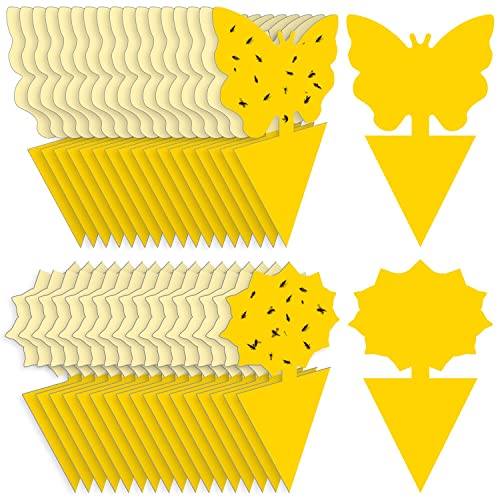
- Sticky fruit fly traps for home
- UV light fruit fly killer indoor
- Rubbing alcohol or dish soap
- Trash bags and sealed containers
- Scrubbing brushes and cleaning cloths


Before You Start
Prepare the area by removing ripe fruit, sugary drinks, and open produce. Clear counter clutter to eliminate hiding spots and reduce breeding sites. Set up traps at multiple micro-habitats: near the sink, behind the fruit bowl, and near trash or compost bins. Expect quick action within 24–48 hours, with continued monitoring over a week. Safety note: avoid pesticides indoors if possible; rely on traps and sanitation first. Wear gloves when handling trash or cleaning; wash hands thoroughly after handling waste.
Step-By-Step: How To Get Rid Of Fruit Flies
- Identify hotspots: locate areas with ripening fruit, juice spills, and damp surfaces. This helps position traps effectively.
- Empty and clean: discard overripe produce, rinse fruit bowls, and wipe down surfaces with warm soapy water. Dry thoroughly to remove moisture that attracts flies.
- Set up traps strategically: place an electric fruit fly trap with non-toxic attractant near the sink and other fly corridors.
- Deploy sticky traps: position sticky fruit fly traps for home around the perimeter of the kitchen and behind the fruit bowl for passive capture.
- Install UV light trap: place the UV light fruit fly killer indoor in a dark corner or away from food areas to attract and kill flies without odors.
- Create a bait cycle: replenish attractants in the electronic trap as recommended by the manufacturer; replace sticky traps when full.
- Seal entry points: inspect windows, doors, and screens for gaps; repair screens and seal cracks to reduce re-entry.
- Clean trash areas: use sealed bins, empty daily, and rinse recyclables before storage to remove attractants.
- Monitor and adjust: track fly activity daily; move traps if certain rooms remain active.
- Limit moisture: fix leaks and avoid standing water to reduce breeding grounds.
- Rotate methods: if one method loses effectiveness, switch to another trap type to maximize capture.
- Maintain routines: continue sanitation and trap use for at least one to two weeks to ensure sustained control.
Troubleshooting
| Symptom | Likely Cause | Fix | Prevention |
|---|---|---|---|
| Flies persist after setup | Fruit or residues still present | Remove fruit, clean spills, and ensure traps are active | Regular fridge checks and wipe-downs |
| Few flies caught | Trap placement not optimal | Move traps closer to breeding sites and entry points | Rotate trap positions every 2–3 days |
| Traps smell or attractants depleted | Non-toxic attractant exhausted | Replenish attractants as per product guidelines | Set reminders for refills |
| Sticky traps saturated with debris | Overcrowded traps | Replace traps; keep area clean | Have spare traps on hand |
| Insects bypass traps | Alternative entry points | Seal gaps and improve ventilation with screens | Regular home maintenance checks |
Common Mistakes
- Relying on a single trap type without sanitation
- Leaving traps in direct sunlight or near heat sources, which reduces effectiveness
- Ignoring waste disposal practices and fruit storage habits
- Using strong chemical sprays indoors without ventilation
Switch to a multi-faceted approach combining traps with cleaning and proper storage for best results.
Tips For Best Results
- Place traps at eye level where fruit flies typically fly, not just on countertops.
- Store fruit in the refrigerator or in sealed containers to reduce attractants.
- Wipe down spills immediately and avoid leaving sugary liquids exposed.
- Consider positioning a UV light trap away from food-prep zones to minimize disruption.
- Label and track when you last replaced attractants or cleaned traps to stay consistent.
Call A Professional
Call a professional if fruit fly activity persists after two weeks of sustained trapping and sanitation, or if there is an underlying issue such as a drainage leak, compromised plumbing, or a large-scale infestation in commercial spaces. Seek help promptly when the problem affects multiple rooms, or if you observe signs of mold, rotting organic matter, or persistent odors despite cleaning efforts.
FAQ
How long does it take to get rid of fruit flies?
Most households see a noticeable reduction within 3–7 days with proper sanitation and trapping, with full control over 1–2 weeks in many cases.
Will fruit fly traps attract more flies?
When used correctly, traps reduce activity by capturing adults before they breed, though poor sanitation can sustain populations.
Are natural remedies effective for fruit flies?
Natural methods like vinegar traps can help, but they are often less reliable than purpose-built traps and consistent cleaning.
Can fruit fly problems recur after cleaning?
Yes, if moisture, fruit storage, and waste disposal habits revert, new flies can appear. Ongoing sanitation is essential.
Do I need to seal all food stored in the fridge?
Not all foods require sealing, but open produce should be refrigerated or stored in airtight containers to minimize attractants.
Buying Guide
Choosing the right setup involves evaluating trap type, room needs, and maintenance. Consider the following factors to determine the best combination for your home:
- Size and capacity: Larger households may benefit from multiple traps and higher-capacity units.
- Noise level: Some devices operate quietly; check consumer reviews for real-world performance.
- Energy efficiency: Look for energy-efficient UV traps or low-power options to minimize costs.
- Controls: Consider models with easy-refill attractants, adjustable light settings, and simple cleaning.
- Placement: Choose traps that can be placed near sinks, fruit bowls, and trash areas without cluttering prep zones.
- Maintenance: Refill schedules, trap replacement frequency, and cleaning requirements should fit your routine.
- Compatibility: Ensure the product family includes an electric fruit fly trap with non-toxic attractant, sticky fruit fly traps for home, and UV light fruit fly killer indoor for a comprehensive approach.
Thinking about a multi-pronged setup? A combination of electric fruit fly trap with non-toxic attractant, sticky fruit fly traps for home, and UV light fruit fly killer indoor often yields the best outcome for modern American kitchens. Ready to tackle the issue with a practical plan?
Leave a Reply