How to Get Rid of Fruit Flies in Your Apartment
Fruit flies can quickly become a nuisance in urban living spaces. This guide outlines practical, evidence-based steps to reduce and eliminate fruit fly activity in an apartment, using safe methods and accessible tools.
Quick Answer
Turn off attractants, seal entry points, and deploy targeted traps. Use a combination of sanitation, traps, and a handheld vacuum for quick relief, then maintain the space with regular cleaning and monitoring.
What You’ll Need
- Electric fruit fly trap with UV light and attractant refills
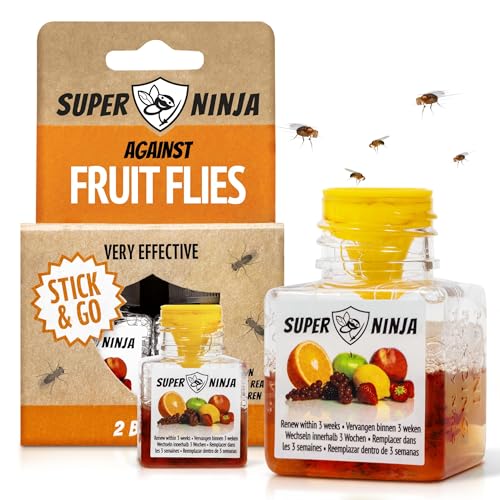
- Sticky fruit fly traps for kitchen 2-pack
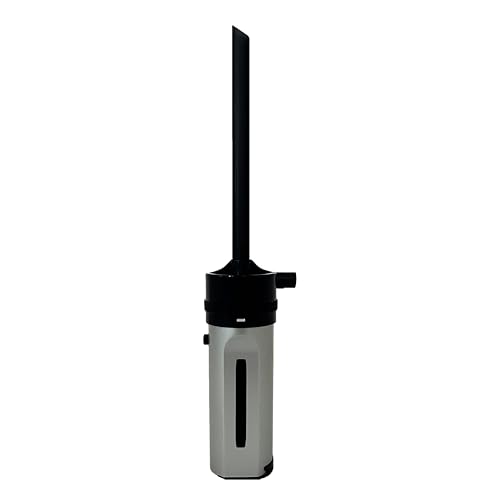
- Handheld cordless bug vacuum for fruit flies

Before You Start
Prepare the workspace by clearing ripe fruit and drained cans, washing dishes promptly, and emptying trash regularly. Safety note: unplug electrical devices before placement, and keep traps away from children and pets. Anticipate a multi-day process rather than a one-off fix; fruit fly suppression often takes several days of consistent effort.
Estimated time to notice a decline: 3–7 days with diligent sanitation and trap use. For sensitive individuals, consider consulting building management if a shared apartment unit shows persistent issues tied to nearby kitchens or dumpsters.
Step-By-Step: How To Get Rid Of Fruit Flies In Your Apartment
- Identify and remove attractants: dispose of overripe fruit, wipe spills, and store produce in sealed containers.
- Clean drains and garbage areas: pour boiling water or a mild cleaner down slow-moving drains to remove larvae and residue.
- Set up traps near problem zones: place the Electric fruit fly trap with UV light and attractant refills near the kitchen counter, sink, and trash area.
- Use sticky traps as supplemental control: position Sticky fruit fly traps for kitchen 2-pack along cabinet edges and under the sink.
- Deploy a handheld bug vacuum for active flies: when you spot flies, use the handheld cordless bug vacuum for fruit flies to capture them without spreading pheromones.
- Monitor and rotate bait: replace attractant refills as directed and rotate trap locations to cover all hot spots.
- Seal entry points: check windows, doors, and screens for gaps; seal with weather stripping or caulk as needed.
- Maintain ongoing sanitation: rinse recycling containers, sanitize fruit bowls, and wipe down surfaces daily for 1–2 weeks.
- Evaluate progress and adjust: if activity remains high after a week, extend trap placement and consider additional traps in adjacent rooms.
- Gradual de-escalation: as flies decline, reduce trap usage but keep a light monitoring routine to catch any resurgence early.
- Address sources outside the apartment: coordinate with neighbors or building management if the infestation appears to originate from shared spaces or dumpsters.
- Document results: note which methods were most effective and maintain a cleaning schedule to prevent recurrence.
Troubleshooting
| Symptom | Likely Cause | Fix | Prevention |
|---|---|---|---|
| Flies persist after traps | New flies entering from outside or hidden breeding sites | Increase trap coverage, seal entry points, and deep-clean drains | Keep drains clean and manage outdoor trash areas |
| Traps stop catching flies | Attractants exhausted or traps malfunctioning | Replace attractant refills and test traps in multiple locations | Maintain fresh attractants and place traps in high-traffic zones |
| Unpleasant odor around sink | Organic buildup in drains | Deep clean drains; use a drain cleaner or boiling water | Rinse with hot water weekly and neutralize odors with baking soda |
| Limited crawling on sticky traps | Traps placed in low-traffic areas | Reposition traps closer to breeding sites | Keep traps visible and maintain a routine check |
Common Mistakes
- Relying on one trap only and neglecting sanitation.
- Leaving ripe fruit out of containers or not washing dishes promptly.
- Using traps far from infestation hotspots; flies won’t be attracted there.
- Ignoring drains and garbage areas where larvae breed.
Tips For Best Results
Place traps at different heights to catch flies at various flight levels. Use attractant refills promptly to maintain effectiveness. Combine traps with strong daily cleaning routines, and consider placing a trap near the entry door to reduce incoming flies.
Replace water in sink traps and ensure kitchen compost bins are sealed. If scent becomes noticeable, switch to fragrance-free cleaners to avoid attracting more flies.
Call A Professional
Consider hiring a professional if: the fly population resurges after two weeks of comprehensive cleaning and trap usage, the infestation appears to involve multiple units or shared spaces, or there are signs of hidden breeding sites that require specialized inspection.
FAQ
What attracts fruit flies to apartments?
Overripe fruit, exposed liquids, and damp organic matter attract fruit flies; keeping surfaces dry and clean helps reduce attraction.
How long do traps take to work?
Most traps begin to reduce activity within a few days, with full suppression often visible within one to two weeks.
Can I reuse sticky traps?
Sticky traps lose effectiveness when full; replace them promptly to maintain capture rates.
Are chemical sprays safe indoors?
Most indoor sprays are not recommended for fruit flies near food prep areas. Use traps and sanitation first, and consult product labels for safe use near kitchens.
Should I refrigerate fruit to limit fruit fly breeding?
Yes. Refrigeration slows ripening and reduces attractants, but manage other sources like drains and trash concurrently.
Buying Guide
When selecting tools to combat fruit flies in an apartment, consider size, placement, and practicality. A compact setup is often enough for small spaces, but larger apartments may benefit from additional coverage and multiple trap types. Look for visual indicators of effectiveness, ease of use, and refill availability.
Key Buying Factors
- Size and footprint: Choose traps that fit your counter space without obstructing movement.
- Noise level: Quiet operation is preferable for apartments with open living areas.
- Energy efficiency: UV traps consume minimal electricity; confirm power draw if running multiple devices.
- Controls: Simple on/off or automatic attractant release simplifies maintenance.
- Placement flexibility: Traps with vents or adjustable legs suit various kitchen layouts.
Comparative perspectives include device type (UV light traps vs. sticky traps), maintenance needs, and the balance between immediate relief and long-term prevention. Ask yourself: Which combination fits my space, routine, and budget while minimizing chemical exposure and keeping food prep areas safe? A layered approach—sanitation, active trapping, and ongoing monitoring—provides the most reliable path to a fly-free apartment.
Leave a Reply