How to Get Rid of Frost Inside Car
Frost inside a car happens when humidity inside the cabin condenses on cold glass surfaces. Quick and safe removal not only improves visibility but also prevents scratches and damage to defrosters. This guide walks American drivers through practical steps, recommended tools, and quick tips to clear frost efficiently without harming interior surfaces.
Whether you’re dealing with a windshield frost, rear window glaze, or side glass frost, the right approach combines mechanical removal, de-icing products, and preventive habits. The methods below emphasize safety, minimizing glove-and-windshield labor, and using tools that are readily available in many households or auto shops.
Quick Answer
Best first step: Start the vehicle, turn on the defroster to warm glass, and use a safe ice scraper to remove thick frost from the outer surface while the engine warms. For stubborn frost, apply a de-icer spray to the interior or exterior as appropriate, then finish with an ice removal tool for final clearing.
What You’ll Need
- Electric ice scraper for car windshield
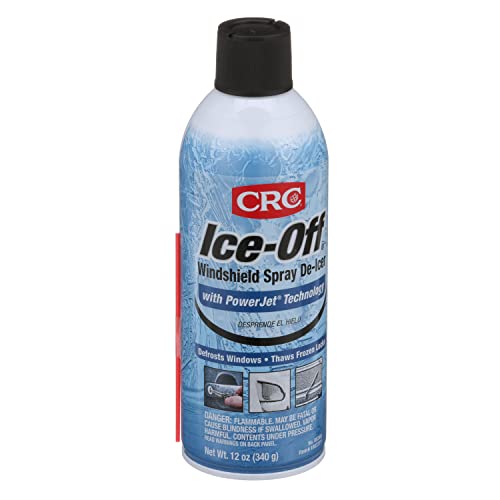
- Car windshield de-icer spray 12 oz
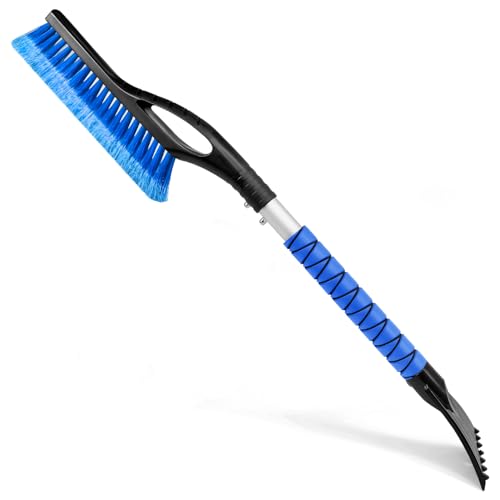
- Ice removal tool for car windows with extension handle

Before You Start
Prepare the vehicle by parking in a safe, shaded area if possible and ensuring the ignition is off until you’re ready to use the defroster. Remove pets and passengers from the immediate area if you’re applying chemical sprays inside the cabin, and ventilate to avoid inhaling fumes. Estimate 5–15 minutes for a typical frost, longer for heavy glazing. Keep kids and pets away from hot surfaces and chemicals.
Step-By-Step: How To Get Rid Of Frost Inside Car
- Turn on the vehicle and set the defroster to a warm setting while keeping the climate control on fresh air if possible.
- Gently scrape the inner and outer surfaces with the electric ice scraper for car windshield to remove the bulk of the frost without scratching glass.
- Spray the interior side of the glass with car windshield de-icer spray 12 oz to melt interior frost or condensation. Wait a few seconds for the solution to penetrate.
- Use the ice removal tool for car windows with extension handle to reach distant corners and edges, reducing the need to lean over the console or kneel in cramped space.
- Wipe away melted frost with a clean microfiber cloth, applying gentle pressure to avoid re-icing as the glass cools.
- Repeat spraying on any remaining frost spots, focusing on edges where frost tends to re-form. Re-scrape as needed.
- Check windshield wipers for any leftover ice, and clear them if necessary before driving. Ensure the driver’s line of sight is fully unobstructed.
- Test the defroster at both high and low settings to confirm even warmth distribution and avoid fogging during a short drive.
- Consider applying the de-icer spray the night before cold mornings or keeping the tools handy in the vehicle for quick use.
- If frost recurs quickly, check door seals for drafts or humidity sources inside the vehicle such as damp clothing or spills that may need attention.
- Store tools properly after use and rinse off any chemical residues according to the product directions to preserve glass and interior surfaces.
Troubleshooting
| Symptom | Likely Cause | Fix | Prevention |
|---|---|---|---|
| Frost returns quickly after clearing | High interior humidity | Run the fan or AC to dehumidify, seal doors/windows | Avoid bringing in damp items |
| Glass fogs after frost removal | Condensation on interior surface | Use the defroster on the windshield setting; crack a window | Keep interior dry, wipe surfaces |
| Scraper or tool smeared by frost | Heavy ice buildup | Apply warmer spray, allow to dwell, then scrape | Pre-warm the car or pre-apply spray |
| Chemical spray odor inside cabin | Ventilation insufficient | Open vents to outside air, adjust recirc setting | Use in well-ventilated area |
Common Mistakes
- Using hot water or boiling liquids on cold glass, which can crack windshields
- Relying solely on the wipers when frost is thick; it can scratch the glass
- Over-spraying de-icer, which may leave residues or odors
- Pushing heavy ice with metal tools that can gouge glass or trim
Tips For Best Results
- Warm up your car briefly before you depart to minimize frost formation on interior surfaces
- Keep a dedicated, compact ice scraper and a bottle of windshield de-icer in the glove box or trunk
- Use a microfiber cloth to wipe away melted frost without scratching the surface
- Angle the cardinals of the spray so it reaches edges and corners where frost tends to cling
- Consider a preventative routine: clean the glass and interior surfaces the night before a predicted frost forecast
Call A Professional
Call a professional if frost repeatedly forms despite proper de-icing, or if glass shows deep cracks, chips, or inconsistent heating from the defroster. Persistent fogging with no clear source may indicate a HVAC or seal issue that requires inspection.
FAQ
What is the fastest way to remove frost from a windshield?
Turn on the vehicle and defroster to warm the glass, then use an electric ice scraper and a de-icer spray to melt and wipe away frost quickly.
Can I use regular household ice melt on my windshield?
Stick to automotive de-icers designed for glass to avoid chemical damage or residue.
Is it safe to use extension-handle tools on windows?
Yes, extension-handle tools reduce reaching and reduce risk of injury, as long as you apply light pressure to avoid glass damage.
Will de-icer spray damage interior surfaces?
Use de-icer products formulated for automotive interiors and follow label directions to minimize risk to fabrics and trim.
Buying Guide
When selecting frost-removal products for a car, consider size, power, and convenience. A compact electric ice scraper can work well for quick clearing on the go, while a spray de-icer offers rapid interior melt. An ice removal tool with an extension handle helps reach upper corners and edges without leaning over the center console. For best results, choose a kit that combines a reliable scraper, a spray de-icer, and an extension tool to handle any frost scenario.
Key buying factors include:
- <bSize: Compact tools fit in a glove box or door pocket, while extension handles reach hard-to-access areas.
- <bNoise level: Some electric scrapers may produce noise; look for quieter models if you’re morning-saver in a quiet household.
- <bEnergy efficiency: Manual tools don’t use energy; electric scrapers benefit from efficient batteries and quick-charge features.
- <bControls: Simple on/off controls and intuitive operation reduce distraction while driving prep.
- <bPlacement: Keep tools accessible—glove box, center console, or trunk organizer allow quick access before the drive.
Comparing options helps ensure you choose a practical combination that fits your climate and vehicle. Are you preparing for cold mornings, or do you experience occasional frost on the windshield and windows? A balanced kit with a de-icer spray, an ice scraper, and an extension tool can cover most situations, from thin frost to thick glaze and stubborn edges. Always read product instructions and warranty information before use.
Leave a Reply