How to Get Rid of Frizz in Wavy Hair
Wavy hair can look gorgeous when smooth, defined, and frizz-free. This guide explains practical steps and the right tools to tame frizz, boost shine, and keep waves looking natural and healthy throughout the day.
Readers will find a straightforward plan that covers preparation, drying, styling, and maintenance, with clear safety notes and options for different hair thickness and humidity levels. By following these steps, users can minimize frizz without heavy product buildup or heat damage.
Quick Answer
Dry with a diffuser on a cool or warm setting, use a microfiber towel to blot excess moisture, apply a lightweight leave-in conditioner, and finish with a light styling product to lock in shine and reduce frizz. Air-drying in a controlled way can also help preserve wave pattern while limiting frizz formation.
What You’ll Need
- Diffuser attachment for hair dryer frizzy wavy hair
- Ion hair dryer with diffuser for frizz control
- Microfiber hair towel for frizz reduction
- Leave-in conditioner or anti-frizz cream (optional)
- Wide-tooth comb or detangling brush

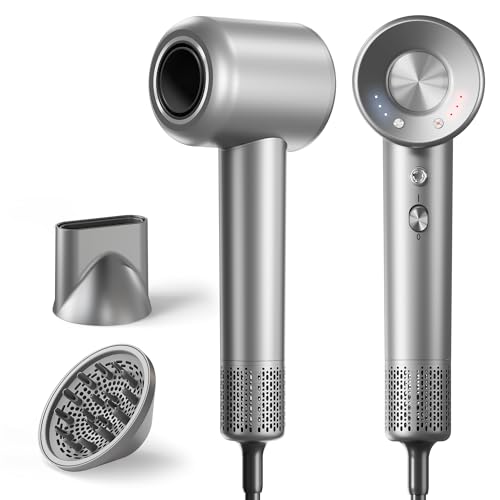

Before You Start
Before beginning, perform a quick strand test to ensure products don’t cause irritation. Work in a well-ventilated area to avoid product buildup on nearby surfaces. Time estimates vary by hair length and texture, but most routines take 15–30 minutes. Important: avoid brushing dry hair, which can cause breakage and frizz. Start with damp hair for best results, and keep heat settings moderate to prevent damage.
Step-By-Step: How To Tame Frizz In Wavy Hair
- Gently blot excess water with a microfiber towel to reduce friction that causes frizz.
- Apply a lightweight leave-in conditioner or anti-frizz serum evenly through the mid-lengths to ends.
- Detangle with a wide-tooth comb while hair is damp to minimize breakage and snarls.
- Attach a diffuser to the hair dryer and use low to medium heat. Cup and lift sections of hair while pressing the diffuser to encourage natural waves.
- Dry sections in small, alternating motions, avoiding vigorous rubbing. Keep the dryer moving to prevent heat concentration.
- Finish with a cool shot to close the hair cuticle, locking in moisture and reducing flyaways.
- Apply a touch of lightweight anti-frizz product or a serum to the ends for extra smoothness.
- Delivery: for lazy days, air-dry partially and diffuse the remaining damp areas to create controlled waves.
- Protect the style with a satin pillowcase or wrap at night to minimize friction and frizz buildup.
- Refresh the look with a fine mist of water and a tiny amount of conditioner if humidity spikes occur during the day.
- Assess the results in natural light; adjust product quantities if hairs appear weighed down or still frizzy.
- Store styling tools and products in a cool, dry place to preserve effectiveness and prevent residue buildup.
Troubleshooting
| Symptom | Likely Cause | Fix | Prevention |
|---|---|---|---|
| Hair still frizzy after drying | Too much product or insufficient diffusion | Redose with a lighter hand and re-diffuse using a cupping motion | Use the diffuser consistently and avoid overloading products |
| Helmet-like shine-less ends | Over-drying or dulling products | Apply a small amount of lightweight serum to the ends only | Balance moisture with a mid-length conditioner |
| Static frizz in dry weather | Low humidity and heat damage | Switch to air-drying when possible and use a leave-in designed for humidity | Maintain regular conditioning routine |
| Hair looks greasy after styling | Product buildup | Clarify once every few weeks and use lighter products | Use a small amount and re-distribute |
Common Mistakes
- Rubbing hair vigorously with a towel, which roughs the cuticle
- Overusing heat tools or setting them too high
- Using heavy oils or butters on fine waves, causing weigh-down
- Brushing wet hair, which increases frizz and breakage
Instead, blot gently, use heat-protective products, opt for lightweight formulas, and always detangle when hair is damp.
Tips For Best Results
- Choose a diffuser with multiple airflow settings to control heat intensity
- Opt for microfiber towels or T-shirt fabric to minimize friction
- Lightly scrunch sections upward to encourage wave formation while drying
- Experiment with a satin pillowcase to reduce overnight frizz
- Regular trims prevent split ends from traveling up the shaft and causing frizz
Call A Professional
Consider professional help if frizz persists despite consistent at-home care, or if there are signs of scalp irritation, severe breakage, or consistent hair damage. Seek a licensed cosmetologist for personalized product recommendations, in-salon treatments, or a tailored routine based on hair type and climate.
FAQ
Can a diffuser really reduce frizz on wavy hair?
Yes, a diffuser helps distribute heat more evenly and preserves natural wave patterns, reducing frizz caused by direct airflow.
What is the best order of applying products for frizz control?
Apply leave-in conditioner first, then a lightweight anti-frizz serum or cream, and finish with a styling product that provides hold without weighing hair down.
Is microfiber better than cotton towels for frizz-prone hair?
Yes, microfiber towels absorb moisture gently and reduce friction, helping prevent frizz and breakage.
Can I air-dry my waves completely to avoid frizz?
Air-drying partially and finishing with a diffuser on low heat often yields the best balance between defined waves and frizz control.
What about humidity challenges in summer?
Use humidity-resistant products and consider lighter gels or serums to maintain definition while avoiding buildup.
Buying Guide
When choosing tools and products to tame frizz in wavy hair, consider the following factors:
- Diffuser compatibility: Ensure the diffuser fits your hair dryer model and offers adjustable airflow.
- Noise level: Quiet motors are preferable for early morning routines or shared spaces.
- Energy efficiency: Look for energy-conscious dryer models with efficient heat settings.
- Controls: Simple, intuitive controls help maintain consistent heat and speed for best results.
- <bPlacement: A well-ventilated setup reduces product buildup on surfaces and helps air flow evenly.
- <bMaterials: Microfiber towels and satin pillowcases minimize friction that causes frizz.
Beyond tools, evaluate your routine: do you prefer quick fixes or a long routine? How humidity affects your waves is another key factor. By matching a diffuser-equipped hair dryer and a light care line to your hair type, you can sustain smooth, defined waves with minimal frizz day after day.
Leave a Reply