How to Get Rid of Fridge Smell
Fridge odors are common but manageable with simple, steps. Proper cleaning, odor absorbers, and routine maintenance can keep perishable smells from lingering. This guide explains practical methods and safe products to use in American kitchens.
By following a structured approach, homeowners can refresh their refrigerator without harsh chemicals or expensive interventions.
Quick Answer
Refresh the fridge with a thorough clean, use odor absorbers or enzyme-based cleaners for ongoing freshness, and run a quick rinse with warm water after applying any cleaners. Replace absorbers every few weeks for best results.
What You’ll Need
- Activated charcoal refrigerator odor absorber bags 4 pack
- Baking soda refrigerator deodorizer box large 1 lb
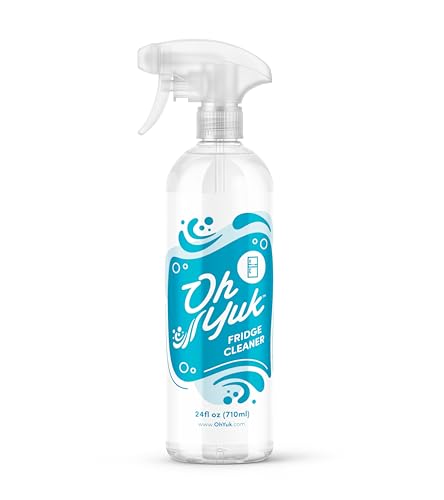
- Fridge deodorizing spray with enzyme cleaner 12 oz


Before You Start
Before tackling fridge smells, remove all food items and unplug the unit if safe to do so. Wipe shelves with warm water and a mild soap, then dry completely. Protect hands and surfaces with gloves and a soft cloth to avoid scratching interior finishes. Plan a cleaning window of about 30–60 minutes, plus time to dry and air out after applying deodorizers.
Note: Avoid mixing cleaners with strong chemicals. If using enzyme-based sprays, follow label directions to prevent residue buildup and ensure safe contact with foods after restoration.
Step-By-Step: How To Get Rid Of Fridge Smell
- Empty the fridge and remove all shelves and drawers for thorough cleaning.
- Wipe interior surfaces with a solution of mild dish soap and warm water, then rinse with clean water.
- Dry all surfaces completely using a clean cloth to prevent moisture buildup that can worsen odors.
- Spray a light, even coat of the fridge deodorizing spray with enzyme cleaner on shelves and walls. Let it sit for a few minutes, then wipe if advised by the product label.
- Place activated charcoal refrigerator odor absorber bags in corners, on shelves, and near the door seal to capture lingering smells.
- Set the baking soda refrigerator deodorizer box on a shelf away from direct contact with foods to neutralize odors over time.
- Close the doors and let the space vent for 15–30 minutes, then re-stock items.
- Monitor the fridge for a week. If odors persist, reapply the enzyme cleaner and replace odor absorbers as needed.
- For stubborn smells, repeat the cleaning cycle and consider placing the baking soda box near the crisper drawer for targeted deodorizing.
- Maintain regular cleaning: wipe spills promptly and replace odor absorbers every 2–4 weeks depending on usage and odor level.
- Keep an eye on the door seals; clean them with a damp cloth to remove grime that traps odors.
- Schedule a monthly quick clean to prevent odors from returning and ensure optimal appliance performance.
Troubleshooting
| Symptom | Likely Cause | Fix | Prevention |
|---|---|---|---|
| Persistent fridge odor after cleaning | Residue or trapped moisture | Re-clean with mild soap, rinse, and dry thoroughly; reapply enzyme spray | Wipe spills promptly; keep door closed when not in use |
| Smell returns quickly after restocking | A faulty door seal or airflow issue | Inspect and clean seals; ensure proper airflow inside | Check seal integrity during routine maintenance |
| Charcoal or baking soda absorbers lose effectiveness | Overload of odors or saturated material | Replace absorbers; place them in strategic corners | Rotate absorbers and keep vents clear |
| Spray leaves residue or bubbles on food | Spray applied too close or without drying time | Use light spray and wipe away any excess | Follow label directions and test on a small area first |
Common Mistakes
- Using strong cleaning agents not labeled for food-contact surfaces
- Neglecting door seals, allowing air from the exterior to introduce odors
- Overloading the fridge with absorbers that impede air circulation
- Storing strong-smelling foods near fresh produce without containment
Regular, light maintenance helps prevent these errors and keeps food safety at the forefront.
Tips For Best Results
- Place odor absorbers away from direct contact with open foods to avoid contamination risks.
- Rotate baking soda quarterly to maintain maximum deodorizing power.
- Keep the fridge at a consistent temperature to prevent odor-causing bacterial growth.
- Schedule a quick monthly wipe-down of shelves and door gaskets for ongoing freshness.
- Test enzyme-based cleaners on a small, hidden area before full application to check for adverse reactions.
Call A Professional
Call a professional if odors persist despite routine cleaning, if there are refrigerant or cooling system concerns, or if you notice unusual noises, leaks, or temperature fluctuations. Do not attempt to repair sealed components without proper training.
FAQ
What is the fastest way to remove fridge odors?
Clean the interior, then use a combination of enzyme-based spray and odor absorbers for ongoing deodorizing.
Can baking soda alone deodorize a fridge?
Yes, baking soda neutralizes odors, but for persistent smells, combine with other methods like enzyme cleaners and absorbers.
How often should I replace fridge odor absorbers?
Every 2–4 weeks, or sooner if odors return quickly.
Is it safe to use sprays near food?
Follow product labels and avoid direct contact with foods; remove items during treatment and reintroduce after the area dries.
Should I unplug the fridge to clean it?
If safe, unplugging makes a thorough cleaning easier, but always follow safety guidelines for electrical appliances.
Buying Guide
Choosing the right odor-control setup for a fridge involves several factors. Consider size, noise level, energy efficiency, controls, and placement when evaluating products and accessories.
Size and fit: Ensure odor absorbers fit interior shelves without crowding essential airflow. For large refrigerators, a multi-pack helps maintain coverage across zones.
Absorber type: Activated charcoal bags are effective for passive deodorizing, while baking soda boxes offer long-term neutralization. Enzyme-based sprays provide active cleaning with odor control.
Placement: Position absorbers near odor hotspots (crisper drawers, door seals) but away from food contact areas. Keep sprays at safe distances from food to prevent residue.
Maintenance needs: Look for products with clear replacement schedules. Easy-to-remove liquids and resealable bags help reduce mess during maintenance.
Energy and placement: Odor-control products do not affect energy use directly, but keeping the fridge clean improves efficiency by reducing strain from spills and residues. Place absorbers where airflow remains unobstructed.
Usage mix: A combination approach—absorbers plus an enzyme cleaner—delivers both immediate deodorizing and ongoing prevention.
Leave a Reply