How to Get Rid of Fog in Car Windows
Foggy windows impair visibility and safety by reducing glare and obscuring road cues. This guide offers practical, step-by-step methods tailored to American drivers for minimizing or eliminating interior windshield fog. It covers quick fixes, long-term prevention, and when to seek professional help.
Quick Answer
Best immediate fix: use the windshield anti fog spray on the inner surface, turn on the A/C and defroster to dehumidify the cabin, and keep a steady airflow. For heavier fog, use a defogging wipe kit to quickly clear the glass, then reapply spray as needed. A small 12V car dehumidifier desiccant puck can reduce moisture in tight spaces, especially in humid climates.
What You’ll Need
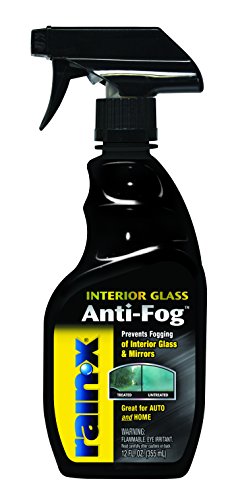
- Car windshield anti fog spray 12 oz
- Defogging wipe kit for car windshield 40 count
- 12V car dehumidifier desiccant puck for foggy windows

![wisedry 2 x 500 Gram [2.2 lbs] Rechargeable Silica Gel Car Dehumidifier, Microwave Fast Reactivated Desiccant Packets Large for Gun Safe Closet Basement Garage Storage Moisture Absorber Bag Reusable](https://m.media-amazon.com/images/I/51pHUtcOd3L._SL500_.jpg)
Before You Start
Fog forms when warm, moist air inside the car meets cold glass. Before tackling the fog, ensure windows are free of cracks or damage that could worsen condensation. Test on a small area first to confirm compatibility with your glass and tint. Plan for a minimal time window, as a typical vehicle defogging routine takes about 5–10 minutes. If you drive in winter or during sudden temperature changes, expect more frequent use.
Step-By-Step: How To Clear Fog On Car Windows
- Park in a safe, shaded area and turn off interior fans briefly to inspect the fog layer without airflow bias.
- Roll down a window slightly to equalize cabin and outside humidity if safe to do so, or keep windows up and focus on dehumidifying with A/C.
- Turn on the A/C or climate control to the cold setting and switch the fan to a low speed. This pulls moisture from the cabin air.
- Engage the defroster mode. Direct warm or cool air to the windshield depending on whether you’re in a cold or warm environment, respectively.
- Apply windshield anti fog spray 12 oz to the interior glass according to the product instructions. Wipe evenly and let it dry for a minute before use.
- For persistent fog, use the defogging wipe kit for car windshield to manually swipe the inner surface. This physically removes moisture and oils that cause fogging.
- Place 12V car dehumidifier desiccant puck for foggy windows in the cabin or under the seat to reduce ambient humidity, recharging or replacing as recommended by the product.
- Keep the air recirculation mode off for better moisture exchange with outside air, unless the interior is heavily sweating with passengers, then use fresh air.
- Wipe the glass again with a clean microfiber cloth to remove any remaining film or haze after using the spray or wipes.
- Test drive briefly to ensure fog doesn’t reappear; repeat the steps if needed, focusing on moisture control and airflow balance.
- For ongoing fog issues, repeat daily or after rain, adjusting the spray amount and dehumidifier use based on humidity and temperature changes.
Troubleshooting
| Symptom | Likely Cause | Fix | Prevention |
|---|---|---|---|
| Fog returns quickly after clearing | High cabin humidity or blocked vents | Increase continuous A/C dehumidification; ensure vents are directed at glass | Use desiccant puck; keep humidity low in cabin |
| Streaks or uneven fog clearance | Residual oils on glass surface | Reclean with glass-safe cleaner; reapply anti fog spray | Clean interior glass regularly with proper products |
| Fogging only on the windshield, not side windows | Ventilation imbalance or temperature difference | Correct vent direction; normalize cabin temperature | Distribute airflow evenly across all windows |
| Moisture on windows after rain | Exterior humidity intrusion or leaks | Check for leaks; use moisture barriers | Seal doors and windows if needed |
| Desiccant puck stops absorbing | Full saturation | Replace or recharge per instructions | Keep puck in cool, dry place when not in use |
Common Mistakes
- Using hot air alone without dehumidification can worsen fog
- Overapplying products, leaving residues that smear glass
- Blocking vents or directing air away from the windshield
- Ignoring interior moisture sources like damp mats or wet clothing
Tips For Best Results
Consistency matters. Keep a simple routine in place for humidity control: use the A/C with defrost in tandem, run the dehumidifier puck during humid seasons, and reapply anti fog products as recommended by the manufacturer. For owners with frequent fog in winter, consider pre-treating the glass ahead of forecasted temperature shifts.
Call A Professional
Consult a pro if fog persists after trying the steps above, or if you notice persistent fog on one area only, which could indicate a seal breach or a damaged window. Seek urgent help if fog accompanies unusual condensation on the dashboard or which seems to come from under the hood. If you hear hissing, smell unusual chemical odors, or notice water intrusion around windows, contact a technician promptly.
FAQ
What causes fog on car windows?
Fog forms when warm cabin air meets cooler glass, saturating the air and creating condensation on the interior surface.
Can I drive with foggy windows?
Driving with fog reduces visibility; clear the glass before driving and use caution as condensation can return quickly.
Are windshield fog sprays safe for tinted glass?
Most are; check the product label and test on a small area first to avoid streaking or tint damage.
How long does a dehumidifier puck last?
Lifetime varies by product; follow the manufacturer’s guidance for replacement cycles and recharging needs.
Is it better to use the defogger or AC to clear fog?
Using both defogger and A/C to dehumidify is most effective for fog control on most vehicles.
Should I wipe the windshield after applying anti fog spray?
Yes, wipe with a clean microfiber cloth to ensure even coverage and remove any residue.
Buying Guide
When choosing products to prevent and remove windshield fog, consider size, moisture management, ease of use, and compatibility with your vehicle. For treated films or sprays, verify safety with tint and glass coatings. A combination approach—pre-treat with a windshield anti fog spray, carry a defogging wipe kit for quick touch-ups, and keep a 12V car dehumidifier puck handy—works well in varying American climates. Think about typical usage: urban commutes with stop-and-go traffic, or winter road trips with rapid temperature changes. A compact kit for the trunk or glove box helps maintain visibility on the road.
Key buying factors include:
- Size and coverage: Larger sprays cover more area and reduce reapplication frequency.
- Noise level and energy efficiency: Electronics like dehumidifier pucks should not drain the vehicle battery; check product specs for continuous use.
- Controls: Simple, intuitive controls for quick action during a drive are preferred.
- Placement: Easy access storage, under-seat or center console, for quick use.
To compare options, consider how often you experience fog, your climate, and whether you prefer disposable wipes or reusable sprays. The right combination reduces moisture, improves visibility, and supports safer driving on foggy mornings or humid evenings.
Leave a Reply