How to Get Rid of Flies Effectively at Home
Flies can be a persistent nuisance in homes, kitchens, and outdoor spaces. This guide walks through practical, science-backed methods to reduce fly activity, using common tools available in American households. By combining prevention, quick-action devices, and smart placement, you can minimize fly presence safely and efficiently.
Quick Answer
To rapidly cut down fly numbers, use a combination of an indoor UV light fly zapper, sticky outdoor fly traps, and a handheld electric fly swatter for quick indoor hits. Maintain clean surfaces, seal entry points, and place traps where flies congregate. Regularly replace or clean sticky traps and recharge cordless tools as needed.
What You’ll Need
The following tools align with typical fly-control setups and the provided product keywords. They cover interior and exterior needs, plus quick-response options.
- electric fly zapper indoor UV light 20W wall mount for nightly indoor fly control
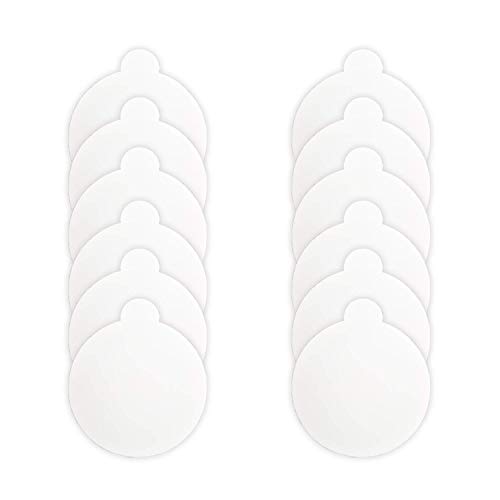
- sticky fly trap outdoor adhesive boards 12-pack to monitor and reduce outdoor fly activity
- handheld electric fly swatter 9 inch rechargeable for on-the-spot deflection


Before You Start
Before deploying tools, ensure rooms are clean and free of food residues. Seal gaps around doors and windows, install screens where feasible, and avoid leaving uncovered food out. Keep children and pets away from electric devices when in use, and never touch live electrical components with damp hands. Time estimates vary by space, but most setups take 15–45 minutes to install and test.
Step-By-Step: How To Get Rid Of Flies
- Survey high-traffic fly zones such as kitchens, garbage areas, and near pet bowls to determine where to place devices.
- Mount the electric fly zapper indoor UV light 20W wall mount in a corner or above usual fly corridors, ensuring it’s away from water and reachable for maintenance.
- Position sticky fly trap outdoor adhesive boards 12-pack along perimeter walls, near entry points, and under eaves to capture outbound flies.
- Turn on the indoor zapper after dusk when flies are more active indoors, then keep it running through overnight if feasible.
- Use the handheld electric fly swatter 9 inch rechargeable for quick eliminations on surfaces where flies linger, such as counter edges and near fruit bowls.
- Regularly check and replace sticky boards as they fill with flies; discard used boards safely and replace them with fresh ones.
- Maintain a clean environment by promptly taking out trash, cleaning spills, and storing ripe fruit in sealed containers while flies are active.
- Monitor effectiveness over a week; relocate devices if you still observe heavy fly activity near certain entry points or lighting.
Troubleshooting
| Symptom | Likely Cause | Fix | Prevention |
|---|---|---|---|
| Few flies get trapped or zapped | Insufficient device coverage or misplacement | Reposition zapper higher or toward entry points; add additional sticky boards | Map hot zones and rotate placements seasonally |
| Gleaming light, but no attraction | Inadequate UV output or dirty lamp | Clean or replace the UV lamp; ensure no obstructions around the device | Schedule seasonal lamp checks and cleaning |
| Sticky boards fill quickly | High fly activity near immediate area | Add more boards and rotate positions daily | Keep food covered and wipe spills promptly |
| Natural odors attract flies | Garbage or compost exposure | Seal trash cans and compost containers; take out regularly | Improve kitchen sanitation routines |
Common Mistakes
- Relying on a single device; flies often require multiple control methods.
- Placing traps where they are blocked by furniture or curtains, reducing effectiveness.
- Ignoring regular maintenance; dirty zappers underperform and attract from residues.
- Leaving food uncovered or overflowing trash—it invites more flies into living spaces.
Tips For Best Results
For best outcomes, combine prevention with active devices. Keep screens in good repair, empty trash daily, and use sealed containers for food. Space devices to create a “fly-free corridor” between entry points and the interior. A gentle routine of cleaning, screening, and device use yields durable relief.
Call A Professional
Consider contacting a pest-control professional if you observe a persistent infestation despite using these tools, if there is an immediate health concern, or if flies appear in large numbers indoors for extended periods. Seek help also when you notice unusual fly species, odor issues, or structural gaps that require professional sealing or treatment.
FAQ
What is the most effective way to get rid of flies quickly?
Use a combination of an indoor UV light zapper, outdoor sticky boards, and a handheld electric swatter for rapid control.
Are sticky fly traps safe for pets and kids?
Stick traps are generally safe when placed out of reach and away from food areas; always follow product guidelines.
How often should I replace sticky traps and lamp bulbs?
Replace sticky boards as they fill; replace UV bulbs every season or as recommended by the manufacturer.
Can I use natural deterrents along with these tools?
Yes, combine sanitation, scented deterrents sparingly, and device use for a comprehensive approach.
Should I seal windows to prevent fly entry?
Yes, sealing gaps and installing screens reduces entry points and improves overall effectiveness.
Buying Guide
When choosing fly-control tools, consider size, noise, energy use, and placement. A 20W UV fly zapper mounted on a wall offers broad indoor coverage without occupying floor space, while sticky fly trap outdoor adhesive boards 12-pack provide durable exterior monitoring. A handheld electric fly swatter 9 inch rechargeable adds flexibility for quick interior responses without cords. For best results, select devices that suit your home layout and activity patterns, and plan for a layered approach that includes sanitation and entry-point management. Think about how discreet you want devices to be, the ease of maintenance, and the ease of replacement parts or boards. If you have small children or pets, choose safer placements and consider devices with built-in safety features. Finally, review energy-use specs and warranty terms to ensure long-term reliability and cost-effectiveness. This multi-pronged setup helps create a cleaner, more comfortable space by reducing fly presence across indoor and outdoor areas.
Leave a Reply