How to Get Rid of Flies With Apple Cider Vinegar
Flies can be a stubborn nuisance in kitchens, gardens, and picnic spaces. Apple cider vinegar (ACV) is a popular, inexpensive DIY solution that attracts and traps fruit flies and common house flies alike. This guide explains practical, proven methods using ACV-based traps, with step-by-step instructions, safety notes, and tips to improve effectiveness.
By following these steps, readers can create simple traps that use common household materials or purpose-built kits. The methods emphasize safety, ease of use, and accessibility for American homes, apartments, and small kitchens.
Quick Answer
Most effective quick method: Use a narrow-mouthed bottle or jar with ACV and a drop of dish soap to disrupt surface tension, plus a funnel or small opening to trap flies that enter. Replace bait daily to maintain attractivity. For larger spaces, combine two traps and place them away from food prep areas.
What You’ll Need
- Apple Cider Vinegar Fly Trap Kit with Funnel and Bait
- Mason Jar Fly Trap Apple Cider Vinegar Dish Soap
- DIY Apple Cider Vinegar Fly Trap Bottle with Dish Soap
- Optional: Clear containers or jars with lids for discreet placement
- Optional: Tape or marker to label traps and track bait freshness
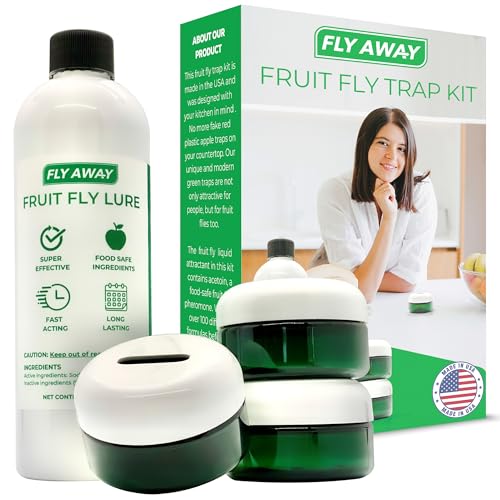 |
Fly Away – Fruit Fly Trap Kit: 3X Reusable Fruit Fly Traps for Indoors + 12 oz. Liquid Bait. Fast Acting. Attractive Design, Perfect for Homes, Bars and Restaurants. 270+ Day Supply. Made in USA |
Before You Start
Identify areas with the highest fly activity, such as near fruit bowls, compost, trash cans, or outdoor dining spots. Ensure surfaces are clean and free from standing liquids that could attract more flies. Use clear, shallow containers when appropriate to observe effectiveness. Time estimates vary: initial results may appear within 24–48 hours, with full improvement over several days as populations decline. Always supervise traps around children and pets.
Step-By-Step: How To Build And Use Apple Cider Vinegar Traps
- Choose your trap design: Bottle with a narrow neck, a Mason jar with a funnel, or a simple dish setup. Each uses ACV as bait but varies in preparation and placement.
- Fill the container with ACV: Use enough ACV to cover the bottom and create a strong attractant. If the smell is too mild, slightly warm the vinegar to release more aroma, then cool before use.
- Add dish soap: Add a small drop (a few drops) of clear dish soap to reduce surface tension. This makes flies sink and drown rather than rest on the liquid surface.
- Create entry points: For a bottle, insert a funnel or cut a small opening near the top. For a jar, loosely place a paper cone or perforated cap to lure flies inside but slow their exit.
- Position traps: Place near problem areas but away from food prep surfaces. Avoid placing traps directly on counters or tables used for meals. Keep traps out of reach of pets and children.
- Monitor and refresh: Check traps daily. Replace ACV every 3–5 days or when it becomes murky. Clean the container between replacements to maintain attraction.
- Collect and dispose: When traps are full or underperforming, discard the liquid and rinse the container. Refill with fresh ACV and a new soap drop for continued control.
- Scale for larger spaces: If flies persist, deploy 2–3 traps in corners or near entry points to intercept flies before they reach food areas.
- Optional enhancements: Add a splash of ripe fruit rind to boost scent for fruit flies, or place a small amount of overripe fruit nearby to attract them away from dining spaces.
- Test effectiveness: After a full day, assess fly activity. If needed, adjust trap placement or add an extra trap to cover more area.
- Clean handling and storage: Wash reusable traps with warm, soapy water after use and dry before reusing. Store bait components in a cool place away from sunlight.
Troubleshooting
| Symptom | Likely Cause | Fix | Prevention |
|---|---|---|---|
| Few or no flies enter the trap | ACV aroma too weak or trap placement poor | Increase vinegar amount, warm slightly, reposition closer to problem areas | Use multiple traps and rotate positions |
| Traps attract fruit flies but they escape | Entry opening too large or soap amount too low | Narrow the entry with a funnel or seal with paper cone; add a few more soap drops | Test different entry sizes before final setup |
| Trap dries out quickly | Considerable evaporation or poor containment | Use a sealed system with a tight lid or add a bit more ACV with fresh soap | Place away from direct sun and heat sources |
| Discoloration or mold in bait | Bait stale or contaminated | Replace bait daily or every other day | Keep containers clean and dry when not in use |
Common Mistakes
- Using too little dish soap, which fails to break surface tension
- Choosing a trap with an overly large opening that lets flies escape
- Placing traps next to food preparation areas or open fruit bowls
- Relying on a single trap for a large space or severe infestation
Tips For Best Results
- Combine traps: Use multiple traps in different zones to intercept flies from multiple directions.
- Keep bait fresh: Replace ACV and soap daily during peak activity for optimal attraction.
- Control the source: Eliminate standing water, cover trash bins, and promptly dispose of overripe fruit to reduce ongoing fly breeding.
- Label and track: Mark dates on containers to monitor freshness and effectiveness over time.
- Safety first: Keep traps away from children’s reach and away from food surfaces.
Call A Professional
If flies persist after several days of consistent use, or if the infestation seems to be coming from a hidden breeding site like a clogged drain or compost area, consider consulting a pest-control professional. Look for persistent signs such as a high number of flies during off-peak hours, or flies emerging from walls, drains, or vents.
FAQ
Can I use regular white vinegar instead of apple cider vinegar?
White vinegar can work in a pinch, but ACV tends to produce a stronger, sweeter aroma that attracts fruit flies more effectively.
Will adding sugar or fruit pieces improve attraction?
Small amounts of ripe fruit can boost attraction for fruit flies, but be mindful of creating additional breeding sites.
How long should a trap last before replacement?
Replace bait every 3–5 days or sooner if it becomes discolored or murky.
Are these traps safe around kids and pets?
Yes when placed out of reach and used as directed. Avoid loose liquids and ensure containers are stable to prevent spills.
Can I reuse traps after cleaning?
Yes, thoroughly wash and dry before reusing with fresh ACV and soap.
What if there are many flies outdoors?
Outdoor traps may require more traps and placement near dusk when activity peaks. Consider using shaded areas and wind-protected spots.
Buying Guide
When choosing an Apple Cider Vinegar-based fly trap solution, consider several factors to match your space and needs:
- Size and capacity: For small kitchens, compact jars or bottles are sufficient; larger spaces may require multiple traps.
- Noise level: Traps are silent; this matters mainly for outdoor setups where rustling components could attract attention.
- Energy efficiency: No electricity is needed for basic traps; some kits may include small LED indicators or lights, which are optional.
- Controls and indicators: Look for clear lids, funnels, or entry designs that minimize escape routes and allow easy replenishment.
- Placement flexibility: Consider traps that can be placed on counters, shelves, or hung near problem zones.
- Durability and materials: Glass or BPA-free plastic options offer longevity; ensure easy cleaning and drying.
- Maintenance: Kits with built-in funnels or reusable jars reduce ongoing costs; replace bait as needed.
- Maintenance frequency: If you prefer low-maintenance solutions, choose traps that require less frequent bait changes.
For most households, combining a purpose-built Apple Cider Vinegar Fly Trap Kit with Funnel and Bait and a Mason Jar Fly Trap with Dish Soap provides reliable, straightforward control. The DIY Apple Cider Vinegar Fly Trap Bottle with Dish Soap offers a customizable approach for budget-conscious users. Consider your space, infestation level, and how often you are willing to service traps when selecting a setup.
Leave a Reply