How to Get Rid of Flies While Camping
Camping trips can be spoiled by buzzing insects, especially flies that linger around food, tents, and camping gear. With practical techniques and reliable gear, campers can significantly reduce fly activity and enjoy a more comfortable outdoor experience. This guide covers safe methods, gear options, and best practices for keeping flies at bay during outdoor adventures.
Quick Answer
Use a combination of physical barriers, attractant-based traps, and electronic devices designed for outdoor use. Elevate food protection, dispose of waste promptly, and deploy a portable UV light trap or an electric zapper when activities are active. For long stays, set up reusable traps and repellent lanterns to create a fly-free dining zone.
What You’ll Need
- Camping fly trap with bait outdoor reusable
- Battery powered electric fly zapper camping
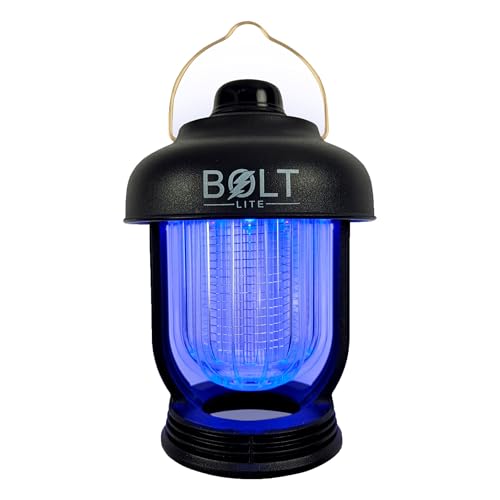
- Portable camping fly repellent lantern UV light


Before You Start
Flies are attracted to food waste, sweat, and moisture. Prepare your campsite by securing trash in a sealed container and keeping cooking areas clean. Position traps and repellents away from sleeping zones but near dining and cooking areas. Time estimates assume a mid-sized campground setup: 20–60 minutes for setup, ongoing 10–20 minutes of maintenance per day.
Safety notes: keep electrical devices away from water and damp surfaces; follow manufacturer instructions for battery-powered devices; never handle traps or devices with wet hands.
Step-By-Step: How To Get Rid Of Flies While Camping
- Establish a clean basecamp: remove food scraps from tables and utensils immediately after meals.
- Secure trash with tight-fitting lids and keep it away from tents and cooking areas.
- Use physical barriers: keep screen tents closed when not passing through and deploy a doorway curtain near the entry.
- Set up a camping fly trap with bait outdoor reusable in a shaded, upland spot away from shelter, following product instructions for bait refreshment and placement.
- Position a portable camping fly repellent lantern UV light at a safe distance from cooking zones to attract and trap or deter flies without emitting strong odors.
- Activate a battery powered electric fly zapper camping during peak fly hours (dusk to early evening) to reduce concentrations near the dining area.
- Keep hydration and cooking areas sealed, and cover plates and bowls when not in use to minimize attraction.
- Encourage airflow with a gentle breeze from fans or open spaces to deter flies from settling on faces, hands, and food surfaces.
- Regularly check and replace trap bait and empty catch reservoirs as needed to maintain effectiveness.
- Rotate trap locations to cover different zones around the campsite and avoid creating a concentrated fly hotspot near one area.
- Test devices for battery life and replace batteries before extended trips to prevent device failures during peak times.
- After meals, wipe down surfaces, wash dishes promptly, and store leftovers safely to minimize lingering attractants.
Troubleshooting
| Symptom | Likely Cause | Fix | Prevention |
|---|---|---|---|
| Few flies persist near food | Weak attractant or disused trap | Refresh bait in the trap; relocate to a higher-traffic area | Maintain regular bait cycles; ensure traps are dry and functional |
| Fly zapper stops working | Low batteries or faulty wiring | Replace batteries; inspect for damaged cords or switches | Carry spare batteries and test before dark |
| UV lantern not attracting flies | Poor placement or light obstruction | Move lantern away from strong competing light; ensure unobstructed view | Place near the main dining zone but outside the tent vestibule |
| Traps fill quickly | High fly activity | Increase trap count and fan airflow; clean residues | Maximize physical barriers and cover food promptly |
Common Mistakes
- Leaving food uncovered or unattended around the campfire area
- Closing tents too early, trapping flies indoors after dusk
- Relying on a single device rather than using a layered approach
- Ignoring waste management and outdoor cleaning after meals
Tips For Best Results
- Coordinate multiple devices: combine traps with UV light lanterns and a zapper for synergistic fly control.
- Time the setup: place traps and repellents before meals and outdoor activities to preempt fly activity.
- Keep devices away from sleeping areas to avoid disturbance while maintaining an effective distance from food zones.
- Look for weather-friendly gear: waterproof or water-resistant options ensure continued operation during rain or dew.
- Test gear before departure: verify that all devices work with fresh batteries and know their on/off indicators.
Call A Professional
If persistent fly problems occur despite using multiple devices and proper sanitation, consider seeking a local pest management professional or campground staff guidance. Stop signs include ongoing buzzing despite well-maintained traps, devices failing during critical meal times, or health concerns from crowded insects near sleeping areas.
FAQ
What is the best way to prevent flies at a campsite?
Secure trash, cover food, use barriers like screen tents, and deploy multiple control devices around dining areas.
Are battery-powered devices safe for camping?
Yes, when used as directed and kept dry; follow manufacturer instructions for battery types and charging precautions.
Can UV light traps harm humans?
Typically they are designed for insect attraction at a distance; place them away from contact zones and ensure proper enclosure safety.
How often should traps be refreshed?
Check traps daily and replace bait or attractants as recommended by the manufacturer.
Do natural repellents help with camping flies?
Natural repellents can provide supplementary relief, but are usually less reliable than dedicated traps and devices.
What should I do if I develop a strong allergic reaction from bites?
Seek medical attention immediately and consider adjusting gear setup to reduce contact with insects in future trips.
Is it okay to use a combination of traps and zappers together?
Yes, using both can increase effectiveness, but maintain safe distances from sleeping areas and food zones.
Buying Guide
When choosing products to control flies at a campsite, consider size, portability, and ease of use. Look for compact, lightweight gear that can be packed in a standard camping bag. Noise and energy efficiency matter for backpackers and car campers alike. Consider how many devices you’ll need for your typical campsite size and whether the setup must be reusable or disposable. Check battery life, weather resistance, and whether the bait and attractants are readily available or refillable. Finally, assess placement flexibility and whether the devices can be used together with existing camping lanterns and screen tents. A thoughtful combination of traps, a UV light lantern, and a battery-powered zapper can deliver versatile, user-friendly fly control without heavy setup.
In practice, many campers rely on a layered approach: a portable fly trap with bait to reduce the resident fly population, a UV light lantern to attract and suppress activity near food prep zones, and a battery-powered zapper for immediate relief during meals. Consider the typical campsite layout, climate, and the duration of the trip when selecting models and quantities. Always verify safety features, such as weather sealing, IP ratings, and child-pet safety measures if applicable. With the right combination, campers can enjoy insect-minimized evenings around the campfire and under starry skies.
Leave a Reply