How to Get Rid of Fishy Taste in Frozen Shrimp
For seafood lovers, the fishy taste in shrimp can be disappointing, especially when shrimp are commonly purchased frozen. This guide explains practical, food-safe methods to reduce or remove that fishy flavor while keeping shrimp fresh and delicious. It covers prep steps, safe handling, and helpful tools you can use in a typical American kitchen.
Quick Answer
Rinse thawed shrimp under cold running water, pat dry, then soak briefly in a citrus-based solution or a rinse with a pinch of salt to draw out odors. Use a sharp shrimp deveiner knife stainless steel to remove any lingering shell fragments, and a shrimp cleaning brush seafood utensil to scrub the surface. Finish with a squeeze of fresh citrus juice and proper refrigeration to keep flavors bright.
What You’ll Need
The following tools help streamline shrimp preparation and odor removal. Each item is aligned with common seafood prep tasks to support an efficient workflow.
- shrimp deveiner knife stainless steel — for cleanly removing shells and veins
- shrimp cleaning brush seafood utensil — to scrub shells and remove surface residues
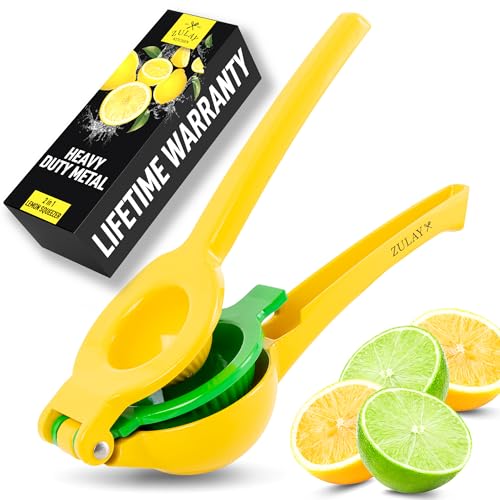
- citrus juicer lemon squeezer for seafood prep — to extract fresh lemon juice for flavor and odor control


Before You Start
Before handling frozen shrimp, ensure surfaces and hands are clean to prevent cross-contamination. Thaw shrimp safely in the refrigerator or under cold running water if you’re in a hurry. Do not thaw at room temperature, which can promote bacterial growth. Plan for a 15–30 minute thaw window, depending on quantity.
Critical cautions: keep seafood separate from ready-to-eat foods during prep, and always wash tools after use. If anyone in the home has shellfish allergies, avoid cross-contact with utensils and surfaces. Use a separate cutting board for seafood if possible.
Step-By-Step: How To Remove Fishy Taste From Frozen Shrimp
- Begin by thawing frozen shrimp in the refrigerator or in a bowl of cold water. Change the water every 15 minutes if using the latter method to speed up the process while maintaining safety.
- Rinse thawed shrimp under cool, running water to remove surface ice crystals and any icy residues that can carry off-flavors.
- Pat shrimp dry with clean paper towels to ensure proper surface contact for subsequent treatments.
- Use a shrimp deveiner knife stainless steel to gently remove the vein along the back of each shrimp. This step helps reduce any fishy notes that may cling to the digestive tract.
- Scrub the shells with a shrimp cleaning brush seafood utensil to remove any residual debris and to cleanse the surface that will contact seasonings and citrus.
- Prepare a citrus rinse by combining fresh lemon juice with a splash of water in a bowl. Soak the shrimp briefly, or alternatively, drizzle the lemon juice evenly over the shrimp before seasoning. The acidity helps neutralize odors and brightens flavor.
- Optional: add a pinch of salt or a small amount of white vinegar to the citrus rinse to further draw out any lingering odors, then rinse quickly with cold water to remove any excess acidity.
- Pat the shrimp dry again. Lightly dust with a neutral oil if you plan to sear or sauté, as the oil can help create a fresh, clean flavor profile without greasiness.
- Cook shrimp promptly after treatment. Use quick methods like sautéing, grilling, or steaming to preserve moisture and flavor. Finish with a final squeeze of citrus to taste.
- If the fishy taste persists in a dish, consider balancing with fresh herbs such as parsley or cilantro, a pinch of zest, or a small amount of garlic for a brighter finish.
- Store any unused, treated shrimp in a sealed container in the refrigerator and use within 1–2 days to preserve flavor integrity.
- Always discard any shrimp that show off smells, slimy texture, or discoloration, as these are signs of spoilage.
Troubleshooting
| Symptom | Likely Cause | Fix | Prevention |
|---|---|---|---|
| Still a strong fishy odor after rinsing | Inadequate thawing or surface residue | Extend rinsing time and apply citrus rinse more thoroughly | Thaw and rinse promptly; use fresh citrus each time |
| Fishy taste in a dish after cooking | Overcooked shrimp or insufficient balance of flavors | Cook quickly and adjust seasoning with citrus and herbs | Keep cook times short; taste as you go |
| Texture feels slimy | Poor handling or spoiled shrimp | Discard and avoid re-freezing | Purchase fresh from reliable sources and adhere to safe thawing |
Common Mistakes
- Over-thawing at room temperature, which encourages bacterial growth and odor development
- Using metal brushes or abrasive tools on delicate shrimp skin, which can alter texture
- Rinsing with hot water, which can set off flavors and degrade texture
- Omitting citrus treatment when aiming for a milder taste profile
Tips For Best Results
- Always start with well-chilled shrimp to minimize odor transfer and maintain texture.
- Use fresh lemon juice rather than bottled when possible for a brighter, cleaner citrus note.
- Pair shrimp with light aromatics like dill, parsley, or chives to balance any residual fishiness.
- Keep tools clean and ready for immediate use; dirty utensils can reintroduce odors.
- When storing, place shrimp in a shallow container with a damp paper towel to maintain humidity without sogginess.
Call A Professional
Seek professional help if seafood odors persist despite tested home methods, or if the shrimp show signs of spoilage such as an off smell, sliminess, or discoloration. A culinary professional or seafood market expert can assess quality and advise on safe handling or replacement options.
FAQ
Can thawing shrimp in cold water affect taste?
Yes, cold-water thawing is fast but must be followed by thorough rinsing to remove surface residues that contribute to off-flavors.
Is lemon juice essential for removing fishy taste?
Not essential, but citrus helps neutralize odors and brightens flavor when used properly.
Should I use salt during the rinse?
A light salt rinse can help draw out odors, but use sparingly to avoid salinity affecting taste.
Can I freeze shrimp after treating them for odor?
Avoid re-freezing; quality and texture deteriorate. Use within 1–2 days if stored in the fridge.
What cooking methods best preserve flavor after odor removal?
Quick methods like sautéing, grilling, or steaming preserve moisture and minimize flavor loss.
Do all shrimp require deveining?
Deveining is optional but recommended for a cleaner texture and to remove potential odor sources.
How long should I soak shrimp in citrus?
A brief soak or drizzle of citrus is sufficient; avoid long brines that may affect texture.
Buying Guide
When choosing tools and shrimp-ready accessories to support odor reduction and overall prep, consider the following factors:
- <bSize and compatibility: Ensure shrimp deveiner knife stainless steel fits comfortable in hand and works with your typical shrimp size. A well-balanced knife makes deveining easier.
- <bNoise and ease of use: A hand-held shrimp cleaning brush seafood utensil should be sturdy but not overly aggressive; look for ergonomic handles and non-slip grips.
- <bEnergy efficiency and practicality: Citrus prep tools like a citrus juicer lemon squeezer for seafood prep should offer smooth juicing with minimum effort, ideally with minimal pulp in shrimp dishes.
- <bControl and versatility: Opt for tools that can be used for other seafood prep tasks beyond shrimp, which improves value and kitchen efficiency.
- <bPlacement and storage: Store tools in an organized, accessible spot near the prep zone to streamline workflow during thawing, cleaning, and cooking.
By selecting practical, purpose-built tools, home cooks can more easily implement odor-reduction techniques and enjoy shrimp with cleaner, brighter flavors. Would you like a quick shopping checklist tailored to common kitchen setups?
Leave a Reply