How to Get Rid of Fish Smell in a Home
Fish odors can linger in air, fabrics, and surfaces long after a meal. With a practical plan that targets the source and uses safe, effective products, you can restore fresh air without resorting to harsh chemicals. This guide provides step-by-step instructions, product recommendations, and practical tips for American homes.
Quick Answer
Act quickly after cooking or handling fish. Ventilate, remove odor-prone items, and start with odor absorbers. Use a combination of air purification, enzymatic cleaners, and surface deodorizing to address different odor sources for best results.
What You’ll Need
- Activated carbon odor absorber bag for kitchen fish smell
- HEPA air purifier with activated carbon filter for seafood odor
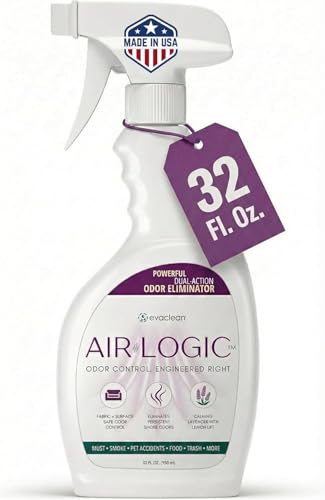
- Enzymatic odor eliminator spray for fish smell
- Ventilation supplies (open windows, fans)
- Cleaning agents suitable for kitchens and fabrics
- Trash bags and sealed containers for seafood scraps
- Odor-proof storage solutions for leftovers and cutting boards


Before You Start
Prepare the space by opening windows and using exhaust fans to create cross-ventilation. Move pets and children away from areas where odor control products are applied. Read label instructions on all products and test cleaners on a small, inconspicuous surface first. Expect a multi-stage process that may take several hours to a day, depending on odor intensity. Important: if there are signs of mold or mildew, address moisture and sanitation before odor removal.
Step-By-Step: How To Get Rid Of Fish Smell In A Home
- Ventilate the area by opening windows and running ceiling or portable fans to push odor outdoors.
- Remove and seal fishy sources: bowls, plates, and containers with leftovers should be rinsed and stored in sealed containers or disposed of promptly.
- Place the activated carbon odor absorber bag for kitchen fish smell in strategic locations—near the kitchen, pantry, and any room where odor lingers.
- Run the HEPA air purifier with activated carbon filter for seafood odor at a medium to high setting, ensuring the intake is not blocked by furniture or drapes.
- Wipe down hard surfaces with an appropriate cleaner to remove residues that linger in cabinets, countertops, and backsplash areas.
- Apply enzymatic odor eliminator spray for fish smell on fabrics and porous surfaces such as aprons, towels, cutting boards, and upholstery that may have absorbed odors.
- Wash textiles and fabrics that can harbor odors, including dish towels, napkins, and curtains, using hot water if the fabric tolerates it.
- Rerun ventilation and purification until odors diminish; replace or refresh carbon odor absorbers as needed according to product guidelines.
- Repeat targeted steps as necessary for persistent odors, focusing on problem areas like the garbage, sink disposal, and pantry.
- Maintain odor control by keeping a regular cleaning routine and using odor absorbers on a rotating schedule.
- Consider placing a small deodorizing routine in daily habits, such as wiping down surfaces after cooking and airing out rooms for a few minutes each day.
Troubleshooting
| Symptom | Likely Cause | Fix | Prevention |
|---|---|---|---|
| Odor persists after cleaning | Soft surfaces or fabrics still holding smell | Apply enzymatic odor eliminator spray and launder fabrics, repeat as needed | Air out rooms daily; rotate odor absorbers |
| Smell returns after a few hours | Ventilation insufficient | Increase air exchange; reposition purifier | Keep purifier running longer during meals |
| Carbon absorber bag smells strong | Absorber saturated | Replace or recharge per product directions | Place extra absorbers in strategic spots |
| Sticky residues on surfaces | Cooking splatter or handling oils | Wipe with appropriate cleaner; buff dry | Clean as you cook; cover pans |
Common Mistakes To Avoid
- Relying on one method alone; odor requires a multi-pronged approach
- Using harsh cleaners that leave their own odors or damage surfaces
- Blocking air purifiers or carbon absorbers behind furniture
- Neglecting textiles like curtains and towels, which trap odors
Tips For Best Results
- Position air purifiers in central areas where odors concentrate for maximum effect
- Use activated carbon products in rooms with high odor exposure, not just kitchens
- Combine enzymatic cleaners with proper ventilation for best fabric odor removal
- Maintain a regular cleaning schedule to prevent odor buildup
Call A Professional
If odors persist after two or more days of dedicated remediation, consider consulting a professional HVAC or indoor air quality specialist. Seek assistance if you detect persistent musty smells, significant moisture damage, or suspected mold growth, as these conditions require specialized evaluation and remediation.
FAQ
What is the fastest way to remove fish odor from a kitchen?
Ventilate, use an activated carbon absorber near the odor source, and apply an enzymatic odor eliminator to fabrics and surfaces.
Can I use household cleaners to remove fish smell from fabrics?
Yes, but choose cleaners appropriate for fabrics and test on a small area first to avoid damage or discoloration.
How long does it take for odors to disappear?
Most odors improve within a few hours of strong ventilation and purifier use; persistent cases may take 1–2 days with repeated treatments.
Are there natural alternatives to chemical cleaners?
Yes, vinegar and baking soda can help in some situations, but enzymatic cleaners and carbon-based absorbers are often more effective for lingering odors.
Should I keep odor absorbers running after meals?
Yes, keep them in place for several hours after cooking and replace as needed to prevent rebound smells.
Is it safe to use essential oils for fish odor?
Essential oils can mask odors but may not eliminate the root cause; use cautiously and ensure no one in the household is sensitive.
Buying Guide
Choosing the right odor-control products depends on space size, odor intensity, and cleaning habits. Consider the following key buying factors to ensure you select effective solutions that fit your home:
- Size and coverage: Select an activated carbon odor absorber with a capacity appropriate for your kitchen or living areas. Larger spaces may benefit from multiple absorbers or higher-capacity bags.
- Noise level: HEPA air purifiers vary in noise. Look for models with a quiet mode for bedrooms and living spaces.
- Energy efficiency: Check energy usage for continuous operation. Energy-efficient purifiers reduce running costs.
- Controls and indicators: Digital or simple controls with filter replacement indicators help maintain performance.
- Placement: Place absorbers near odor sources and distribute purifiers for even airflow to prevent hotspots.
- Maintenance: Understand replacement schedules for carbon filters and enzymatic cleaners to sustain effectiveness.
- Complementary strategies: Combine products for best results, such as pairing a purifier with odor absorbers and enzymatic sprays.
- Durability and safety: Choose products certified for indoor air quality and safe around families, pets, and food areas.
Thinking about a setup for a typical American home? A compact HEPA purifier with an activated carbon filter paired with a couple of odor absorbers is usually a solid baseline. If pet or seafood odors are a frequent challenge, keep enzymatic sprays handy for quick spot treatment and fabric refreshment. Would you like help tailoring a plan to your specific room sizes and cooking habits?
Leave a Reply