How to Remove Fish Sauce Odor From Your Home
Fish sauce is a pantry staple for many kitchens, but its potent aroma can linger long after cooking. This guide provides practical, American-friendly methods to neutralize and remove fish sauce smell from air, surfaces, fabrics, and hands. Using the right tools and a systematic approach can restore a fresh environment quickly and safely.
Quick Answer
Act quickly after a spill or strong smell, ventilate the area, and use a combination of absorption, enzymatic deodorizing, and air purification. Target both odor molecules and their sources for best results.
What You’ll Need
- Activated charcoal odor absorber bag 12×16 inches for fish odor
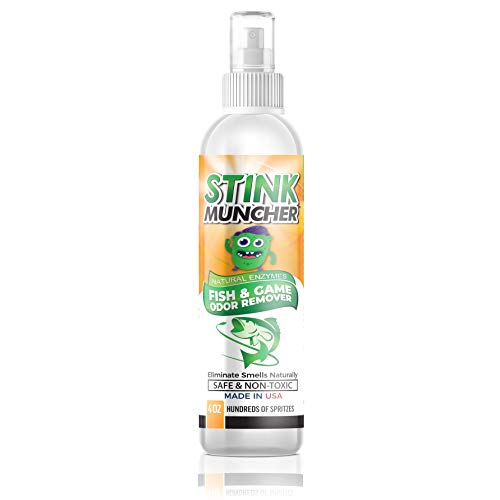
- Enzyme deodorizer spray fish smell remover 32 oz kitchen
- HEPA air purifier with carbon filter for kitchen odors 20 inch tall
- Microfiber cloths and warm, soapy water
- Trash bags and sealed containers for affected items
- Optional: baking soda and white vinegar for initial cleaning


Before You Start
Before tackling odor, identify all affected areas. Open windows and run fans to establish airflow. Wear gloves if cleaning raw or spoiled items, and avoid mixing cleaners that produce harmful fumes. Time estimates vary: quick neutralization may take 30 minutes to a few hours; deeper odors from long-standing residues can require a day or more.
Step-By-Step: How To Remove Fish Sauce Odor
- Contain the source: If fish sauce spilled, blot with paper towels to absorb liquid. Do not rub, which can push odor deeper into surfaces.
- Clean immediately: Wipe all affected surfaces with warm water and a mild dish soap. Rinse and dry to remove any residue that could continue releasing odor.
- Apply enzyme deodorizer: Generously spray the enzymatic cleaner on hard surfaces, upholstery, and fabrics that contacted the sauce. Let it sit for the product’s recommended contact time.
- Use activated charcoal: Place the activated charcoal odor absorber bag near the cooking area, spill site, or in the room to capture lingering gas-phase odors.
- Purify the air: Run the HEPA air purifier with carbon filter. Keep doors and windows open while the purifier operates to maximize airflow and filtration.
- Deodorize textiles: Launder clothing and towels that may have absorbed the odor. For delicate fabrics, spot-clean and air out outdoors if possible.
- Neutralize with baking soda: Sprinkle baking soda on carpets or cushions that absorbed the smell. Let sit several hours, then vacuum thoroughly.
- Ventilate and repeat: After initial treatment, re-aerate the space for several hours. Reassess odor and repeat targeted steps if needed.
- Check for hidden sources: Odor can linger in sink drains, garbage disposals, or trash bins. Clean with enzyme cleaner or a mixture of baking soda and vinegar, then flush with hot water.
- Seal and store properly: For future incidents, keep enzyme cleaners and odor absorbers accessible and store fish sauce away from cooking areas when possible.
- Monitor: Over the next 24–48 hours, periodically check for residual smell and repeat steps as needed.
- Document the process: If the odor persists in a kitchen or dining area, consider a more robust air-cleaning setup or professional cleaning.
Troubleshooting
| Symptom | Likely Cause | Fix | Prevention |
|---|---|---|---|
| Odor remains after cleaning | Residue in porous materials (carpets, cushions) | Deep clean or extract with enzymatic cleaner; refresh with odor absorbers | Clean spills immediately; treat soft furnishings promptly |
| Musty or sour smell appears | Moisture buildup and mold risk | Dry the area completely; use a dehumidifier if needed | Keep rooms ventilated; prevent damp spots |
| Air purifier seems ineffective | Filter saturation or insufficient air exchange | Replace carbon filter; increase fan speed or run longer cycles | Place purifier near odor sources; maintain regular filter changes |
| Odor returns after a few hours | New emissions from uncured surfaces | Perform a second enzymatic treatment and re‑promo with charcoal | Address all sources in one pass; distribute odor absorbers |
Common Mistakes
- Relying on a single method. Odors are often multi-sourced and require a combination approach.
- Forgetting to ventilate. Poor airflow slows odor removal and can spread fumes.
- Overlooking textiles. Fabrics and porous materials hold odors longer than hard surfaces.
- Using harsh cleaners on delicate surfaces. This can damage finishes and trap odors.
Tips For Best Results
- Use a two-pronged attack: enzymatic cleaners to break down odor compounds and carbon filtration to trap VOCs.
- Place odor absorbers near the source and in adjacent areas to prevent drift.
- Time cleaning efforts to when you can keep the area uncontested for several hours.
- Pair products strategically—for example, enzymatic spray for surfaces and charcoal bags for air contact.
Call A Professional
Consider a professional if odor persists after 48 hours, or if a spill occurred in carpet backing, upholstery, or structural materials. Stop signs include persistent strong odor, water damage, or suspected mold growth. A pro can assess hidden sources, perform specialized treatments, and advise on ongoing air quality improvements.
FAQ
What is the fastest way to neutralize fish sauce odor?
Ventilate, apply an enzymatic deodorizer, and use activated charcoal or a dedicated air purifier to capture and remove odor molecules.
Can I use baking soda to remove fish sauce smell?
Yes, baking soda can absorb odors when sprinkled on affected textiles and carpets, left to sit, then vacuumed.
Will an air purifier remove odors from the kitchen?
An air purifier with a carbon filter can help reduce odors, especially when used with proper ventilation and regular filter changes.
How long does it take to get rid of fish sauce smell?
Most quick cases resolve in a few hours, but deep odors may take 24–48 hours or longer with repeated treatments.
Are there safe cleaners for kitchens and fabrics?
Yes, enzymatic deodorizers and mild soaps are safe for most surfaces; always test on a hidden area first.
What should I do if smell returns after cleaning?
Reassess sources, reapply enzymatic cleaner, and reintroduce odor absorbers in the area to catch fresh emissions.
When should I contact a professional?
If odors persist after multiple attempts or there is potential mold, contact a professional for evaluation and treatment.
Buying Guide
When selecting tools to prevent and eliminate fish sauce odors, consider size, noise, energy use, control options, and placement within the home. A balanced approach helps maintain a fresh kitchen and living space without sacrificing comfort.
- <bSize and coverage: Choose odor absorbers and purifiers that fit the room size and expected odor intensity. Larger spaces may require multiple units or higher-capacity devices.
- <bNoise level: For open-plan kitchens, consider devices with quiet operation to avoid disruption during meals or work.
- <bEnergy efficiency: Look for energy-efficient purifiers and rechargeable odor absorbers to reduce long-term costs.
- <bControls: Simple, intuitive controls help ensure consistent use, especially during busy cooking times.
- <bPlacement: Position absorbers near the odor source and air purifiers where airflow is strongest. Avoid placing devices behind doors or furniture that block intake or outflow.
With the right combination of tools and a methodical approach, fish sauce odor can be managed effectively. Ready to tackle it? Start by ventilating the space, then follow the step-by-step guide to restore a fresh-smelling home.
Leave a Reply