How to Get Rid of Egg Smell in Your Home
Egg odor can linger in kitchens, refrigerators, and even fabrics long after cooking. With a few practical steps and accessible products, you can neutralize the smell quickly and prevent its return. This guide outlines proven methods, combining natural deodorizers with modern air-cleaning options to tackle egg scent effectively.
Quick Answer
Ventilate the area, remove the source, and use odor absorbers like activated carbon or baking soda. For persistent smells, run a room air purifier with an activated carbon filter. Repeat daily until the odor is gone.
What You’ll Need
- Activated carbon odor absorber bag kitchen deodorizer
- Baking soda odor absorber powder deodorizer for fridge and cabinets
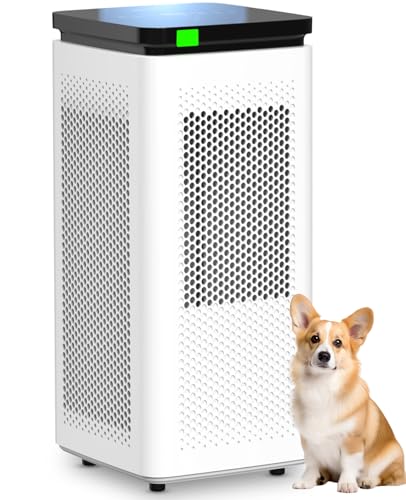
- Electric air purifier with activated carbon filter kitchen odor removal


Before You Start
Open windows and run exhaust fans to improve air exchange. Remove any lingering egg residues from dishes, surfaces, and trash. If the odor is in a fridge or pantry, wrap and store any suspect items separately until cleaned. Avoid mixing strong cleaners with ammonia or bleach, as fumes can interact and worsen odors. Plan a time window of 30–90 minutes for initial odor reduction, with follow-up sessions as needed.
Step-By-Step: How To Get Rid Of Egg Smell
- Ventilate the space by opening windows and turning on fans to create a cross-breeze.
- Identify and remove the source—discard spoiled eggs, cracked shells, or contaminated containers.
- Clean surfaces with a mild solution (water and a gentle detergent) and dry thoroughly.
- Place activated carbon odor absorber bag kitchen deodorizer around the room, especially near the odor source and in corners.
- Sprinkle baking soda odor absorber powder deodorizer for fridge and cabinets on shelves or containers that trapped the odor and let it sit for 15–30 minutes before wiping.
- Run an electric air purifier with activated carbon filter kitchen odor removal to continuously scrub the air of volatile compounds.
- Wipe down the fridge interior with a mixture of water and a drop of vanilla or lemon to neutralize residual scents, then leave the door vented open briefly.
- Air out textiles and fabrics; launder towels, cloths, and dish rags that may have absorbed the smell.
- Repeat the odor absorbing steps daily until the scent is no longer detectable.
- When the smell persists, move the deodorizer bags closer to the odor source and extend purifier usage to several hours per day.
- Dispose of spent baking soda and replace carbon odor absorbers every 1–3 months, depending on intensity.
Troubleshooting
| Symptom | Likely Cause | Fix | Prevention |
|---|---|---|---|
| Odor lingers after cleaning | Source not fully removed | Reinspect areas, wipe again, and repeat deodorizing steps | Address spillages promptly |
| Smell reappears when fridge door opens | Inadequate fridge deodorizing | Place baking soda in the fridge and use an odor absorber around the door | Keep fridge clean; cover foods well |
| Air purifier seems ineffective | Filter saturated or insufficient coverage | Replace carbon filter and run purifier longer | Position purifier to optimize airflow |
| Smell only in small area | Localized source missed | Target small zones with more carbon bags or baking soda | Check under sinks and cabinets |
Common Mistakes
- Relying on a single method; odor often requires multiple approaches
- Using strong cleaners that create new scents and mask odors
- Ignoring hidden sources like sponges, trash bins, or drains
- Neglecting to replace odor absorbers when they become saturated
Tips For Best Results
- Place carbon odor absorbers in multiple rooms if the smell has circulated, not just near the source
- Keep windows slightly open during deodorizing to accelerate air exchange
- Test baking soda on a small area first if you have delicate surfaces
- Label and rotate odor absorbers so you always have fresh material available
- Consider a quick wash of fabrics that may harbor odors, especially kitchen towels and rags
Call A Professional
Contact a professional if the odor persists after 48–72 hours of home treatment, or if there is possible mold growth, persistent gas odors, or structural issues contributing to the scent. Immediate help is advised for strong, unusual smells that may indicate a leak or contamination.
FAQ
What makes egg odor so difficult to remove?
Hydrogen sulfide and other sulfur compounds released during cooking or spoilage bind to porous surfaces, making odors linger even after other cleaning.
Can baking soda alone eliminate egg smells?
Baking soda helps absorb odors, but combining it with ventilation and carbon-based absorbers improves results significantly.
How long should I run an air purifier to remove odors?
Run it for several hours per day in affected spaces, and adjust based on odor strength and room size.
Are there natural methods that work well for egg odors?
Ventilation, sunlight exposure for fabrics, and activated carbon along with baking soda tend to work best for most homes.
Buying Guide
When shopping for odor control tools to tackle egg smells, consider size, noise, energy use, and placement. Here are key buying factors to guide your choices:
- Activated carbon odor absorber bag: Look for bags with high carbon content, sealed packaging, and easy placement options. Choose sizes that fit common kitchen and pantry hotspots.
- Baking soda odor absorber powder: Opt for unscented baking soda with fine texture for cabinet use. Consider resealable containers for easy freshening over time.
- Electric air purifier with activated carbon filter: Seek models with true HEPA filters plus activated carbon, adjustable fan speeds, and replaceable carbon filters. Consider room size and energy efficiency for daily use.
- Placement and integration: Plan for several absorber placements and a purifier position that optimizes airflow. Avoid blocking vents or heavy foot traffic near the purifier.
- Maintenance and replacement: Check replacement intervals for carbon filters and baking soda packs. Set a routine to swap every 1–3 months or as recommended by the manufacturer.
- Noise and energy: Compare decibel levels and energy use, especially for continuous operation in kitchens and living areas.
Choosing the right combination of absorbers and an efficient purifier helps maintain a consistently fresh environment. If you’re dealing with frequent odor issues, stacking these options provides better long-term results and flexibility for different spaces.
Leave a Reply