How to Get Rid of Dry Skin on Face Overnight
Dry, flaky facial skin can disrupt the morning routine and leave the complexion looking dull. With the right overnight care plan, hydration can rebound by the next day. This guide outlines practical steps, safe product choices, and smart routines to restore moisture while you sleep.
The approach blends gentle cleansing, targeted hydration, barrier support, and consistent nightly habits. Readers will learn how to pick the right products and apply them effectively to reduce tightness, redness, and irritation by the following morning.
Quick Answer
For fast overnight relief, use a fragrance-free, ceramide-enriched night cream or a hyaluronic acid-based overnight product, apply a hydrating mask at bedtime if your skin is very dry, and seal in moisture with a rich barrier cream. Avoid harsh cleansers and active ingredients that can strip moisture.
What You’ll Need
- Hyaluronic acid overnight facial moisturizer for dry skin 1.7 oz
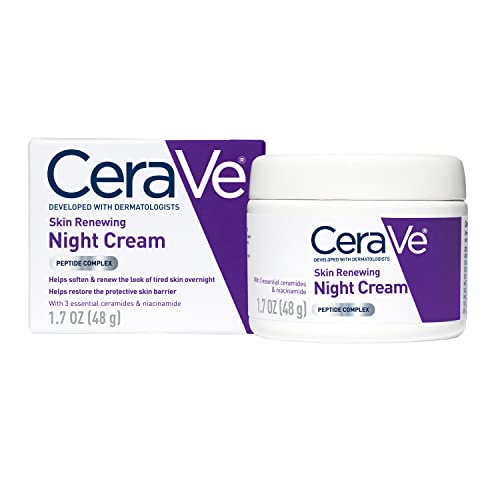
- Ceramide night cream for dry skin 1.7 oz fragrance-free
- Fragrance-free hydrating face mask overnight for dry skin hyaluronic acid 2 oz
- Gentle, non-foaming cleanser
- Soft, clean towels and a night-time storage space for products
- Optional: a non-irritating facial oil (fragrance-free) for extra sealing

Before You Start
Prepare your face with a clean canvas. Use a mild cleanser to remove dirt and makeup without stripping natural oils. Patch-test new products if you have sensitive or reactive skin. Keep the room cool and humid to minimize overnight water loss. Time estimates: cleansing takes 1–2 minutes; layering moisturizers takes 2–4 minutes.
Critical cautions: avoid products with fragrances, alpha-hydroxy acids (AHAs) or retinoids that can irritate very dry skin. If you have a diagnosed skin condition or persistent dryness, consult a dermatologist before changing your nightly routine.
Step-By-Step: How To Get Rid Of Dry Skin On Face Overnight
- Start with a gentle cleanse to remove surface impurities without stripping moisture.
- Pat your face dry with a clean towel; leave skin slightly damp to maximize humectant absorption.
- Apply a thin layer of hyaluronic acid overnight facial moisturizer for dry skin 1.7 oz across the face, focusing on dry areas.
- Follow with a ceramide night cream for dry skin 1.7 oz fragrance-free to repair and reinforce the skin barrier.
- If your skin is very dry, apply a fragrance-free hydrating face mask overnight for dry skin hyaluronic acid 2 oz on problem areas or the entire face, as directed.
- Gently press or massage products into the skin to enhance absorption rather than rubbing aggressively.
- Seal moisture with a light, fragrance-free facial oil or a small amount of the ceramide cream if skin feels tight.
- Avoid sleeping with heavy makeup or products that clog pores; let your skin breathe after the routine.
- Maintain cool, consistent room humidity and drink water before bed to support hydration from the inside.
- In the morning, rinse with lukewarm water if needed and apply a lightweight sunscreen if you’ll be outdoors.
- Stick to the routine a few nights in a row to assess improvements and adjust product amounts as needed.
- If irritation occurs, discontinue one product at a time and reintroduce slowly.
Troubleshooting
| Symptom | Likely Cause | Fix | Prevention |
|---|---|---|---|
| Skin feels very tight upon waking | Insufficient barrier protection | Increase ceramide-rich product or add a thin layer of oil | Apply moisturizer while skin is slightly damp |
| Redness or stinging after application | Sensitivity or incompatible product | Patch-test new items; swap fragrance-free formulas | Use only fragrance-free, hypoallergenic options |
| Mask causes breakouts | Overuse or occlusion | Limit mask duration; ensure pores are not blocked | Skip mask on days with already congested skin |
| No improvement after several nights | Underlying dehydration or skin condition | Consult a dermatologist to tailor a plan | Adjust routine gradually and monitor response |
Common Mistakes
- Over-washing the face or using harsh cleansers that strip moisture
- Applying too many products at once, leading to pilling or irritation
- Using active ingredients in the evening that can irritate sensitive skin
- Neglecting to patch-test when introducing new products
- Sleeping in a room that’s too dry or too warm, which increases transepidermal water loss
Tips For Best Results
- Choose fragrance-free formulations to minimize irritation risk for dry skin
- Apply humectants like hyaluronic acid on damp skin to improve water retention
- Layer products from thinnest to thickest to optimize absorption and barrier support
- Pair overnight routines with daytime hydration, including a gentle cleanser and sunscreen
- Keep nasal or eyelid areas hydrated with a light, non-irritating balm if needed
Call A Professional
Seek professional help if you notice persistent flaking, cracking, or severe redness that lasts beyond a few days, or if you have chronic skin conditions such as eczema or rosacea. Stop using any product that worsens symptoms and consult a dermatologist promptly.
FAQ
Can hyaluronic acid moisturizers cause breakouts overnight?
Most users with dry skin do not experience breakouts from hyaluronic acid products, especially when fragrance-free and non-comedogenic. If you notice new breakouts, reassess layering and frequency.
Is a fragrance-free routine essential for dry skin?
Fragrance-free options reduce irritation risk, especially for sensitive or very dry skin. It is generally recommended in overnight regimens.
How long should I stay consistent with this routine before evaluating results?
Give the routine 1–2 weeks of consistent use to assess improvements in texture, moisture, and comfort.
Should I skip cleansing in the morning after using an overnight mask?
Yes, if your skin feels balanced in the morning, a light rinse with lukewarm water is sufficient; avoid harsh cleansers right after waking.
What should I do if dryness returns after a few nights?
Reassess your products, ensure proper application order, and consider adding a thicker night cream or serum with ceramides and glycerin for enhanced barrier support.
Buying Guide
When selecting products for overnight dry-skin recovery, consider size, consistency, and how your skin responds to different formulas. Key buying factors include:
- Size and packaging: 1.7 oz jars or tubes offer a practical balance of cost and usage, while travel sizes are convenient for testing.
- Fragrance-free formulations: Minimize irritation potential for sensitive or very dry skin.
- Active ingredients: Hyaluronic acid provides hydration; ceramides help strengthen the skin barrier; avoid combining conflicting actives at night unless advised by a dermatologist.
- Texture and absorbency: Lightweight gels or creams work well for layering, while richer balms seal moisture for very dry skin.
- Controls and accessibility: Look for easy-to-use pumps or squeeze tubes to minimize contamination and waste.
- Placement: Apply products evenly across the face and neck; avoid eye area unless specifically labeled for use there.
Comparing the listed items helps tailor a night routine that fits individual needs. For some, a simple pairing of a fragrance-free ceramide night cream and a hyaluronic acid moisturizer provides sufficient hydration; others may benefit from a hydrating overnight mask to boost moisture during harsher climates. Would you like help building a personalized night routine based on climate, skin type, and typical sensitivities?
Leave a Reply