How to Get Rid of Dress Static
Static cling on clothing is a common issue, especially in dry winter months or in low-humidity environments. With a few practical steps and the right products, you can reduce or eliminate static without sacrificing fabric feel or garment care. This guide walks through proven methods and safe products commonly used in American households.
Whether you’re dressing for work, a night out, or a casual day at home, keeping clothes statically balanced helps avoid cling, shock, and frizz. The steps below combine both preventive strategies and quick fixes you can use anywhere, from home laundry rooms to travel bags.
Quick Answer
Best quick fix: Use fabric-friendly products and simple techniques to neutralize static before it happens or as soon as you notice cling. Lightly mist with an anti-static spray for clothes, or rub a dryer sheet over garments that offer quick relief. For ongoing control, regular use of fabric softener or anti-static conditioning can dramatically cut static buildup.
What You’ll Need
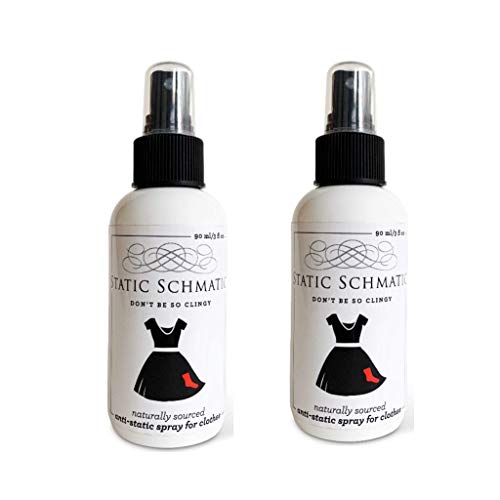
- anti-static spray for clothes fabric protection 12oz
- fabric softener dryer sheets for static cling unscented 200-count
- static cling remover roller for clothing


Before You Start
Assess the fabric types you’re treating. Natural fibers like cotton and wool can generate less static when properly conditioned, while synthetics like polyester or nylon may cling more. Always test a small hidden area first if you’re unsure how a product will react with the fabric. Keep fabrics away from heat sources during treatment, and follow label instructions to avoid residue or color changes. Time estimates assume typical home laundry or wardrobe use.
Step-By-Step: How To Get Rid Of Dress Static
- Identify the source of static: is it after a wash, during wear, or when removing clothes from the dryer? Pinpointing the trigger helps choose the right method.
- Apply a quick mist: lightly spray the garment with anti-static spray for clothes fabric protection 12oz, focusing on seams and hemlines where cling tends to accumulate.
- Use a dryer sheet prep: if the item is in the dryer or just out, rub a fabric softener dryer sheets for static cling unscented 200-count across the fabric surface to transfer conditioning oils and neutralizers.
- Roll away static: glide the static cling remover roller for clothing across the fabric’s surface to lift away charged particles and reduce cling.
- Recondition fabrics during washing: add fabric softener to the wash cycle or use a low-residue dryer sheet in the tumble dry to maintain ongoing static control.
- Air-dry with humidity: hang clothes in a moderately humid area or use a humidifier in the room to naturally reduce static buildup between wears.
- Store with care: keep wardrobe items in breathable containers or garment bags to maintain fabric moisture levels and minimize static formation.
- Reassess after wear: if cling returns, reapply the appropriate product and consider a repeat wash with a fabric conditioner for deeper control.
- Compare fabrics: separate synthetics from natural fibers when laundering to tailor static-control methods to each fabric type.
- Preventive routine: use anti-static spray regularly on high-static items and keep a dryer sheet handy in wardrobe drawers for quick fixes.
- Human contact tip: when removing clothing, touch a conductive surface (like a metal hanger) before handling the garment to discharge built-up static safely.
- Careful exit: after wearing, shake out clothes lightly to remove loose charges before folding or placing in drawers.
Troubleshooting
| Symptom | Likely Cause | Fix | Prevention |
|---|---|---|---|
| Cling returns quickly after treatment | Insufficient conditioning or frequent washing in hot/dry cycles | Reapply anti-static products and wash with a fabric softener | Use continuous moisture in the environment; avoid high heat |
| Residue or stiffness after treatment | Over-application of sprays or softeners | Use lighter application and test on hidden area | Switch to unscented or lighter formulas |
| Static on synthetics only | High-synthetic content garments | Apply targeted anti-static spray to synthetics, use dryer sheets in dryer | Wash synthetics with compatible conditioners |
| Cling during removal from dryer | Dryer heat too high or insufficient moisture during drying | Use lower heat or add moisture with a damp cloth in the dryer | Balance dryer settings with fabric type |
| Garment color fading or staining | Overuse of products | Rinse or spot-clean lightly if staining occurs | Adhere to product directions and avoid overlap on delicate fabrics |
Common Mistakes
- Over-applying anti-static products, which can leave sticky residues
- Using high heat in the dryer on sensitive fabrics, increasing static buildup
- Ignoring natural fibers that respond differently to treatments
- Neglecting to test on a small fabric area before full application
By avoiding these missteps, users can keep garments free from cling while maintaining fabric integrity and comfort.
Tips For Best Results
- Combine moisture and conditioning: pair anti-static sprays with a routine of gentle fabric conditioning in laundry cycles.
- Use unscented formulas when fragrance sensitivities exist or if you wear fragrances near the treated fabrics.
- Store clothing with a light humidity source in dry climates to curb static between wears.
- Keep a travel-size anti-static option in a bag for on-the-go static control when away from home.
Call A Professional
Static issues tied to structural concerns or persistent fabric damage may warrant expert advice. Seek professional cleaning or textile care if you notice persistent fabric discharges, unusual residue, or fabric distortion after multiple treatments.
FAQ
Is anti-static spray safe on all fabrics?
Most sprays are safe for common fabrics when used as directed; always test on a hidden area first and follow label guidelines.
Can dryer sheets damage delicate fabrics?
Yes, excessive use or strong fragrances can leave residues on delicate textiles; opt for unscented or fabric-specific options and test beforehand.
How often should I treat clothes to prevent static?
Regular conditioning during laundry and occasional targeted treatments when static appears typically suffices for most households.
Will humid climates reduce static naturally?
Higher humidity lowers static buildup, so using humidifiers in dry indoor spaces can help alongside fabric care products.
What’s the best method for slip-and-cling on winter coats?
Apply a light mist of anti-static spray to inner linings or use static control dryer sheets on outer surfaces during wear sessions.
Can I use household lip balm or lotion to combat static?
Not recommended; household moisturizers may stain fabrics or leave oily residues. Use purpose-made products instead.
Buying Guide
When choosing products to combat dress static, consider size, intensity, and compatibility with your wardrobe. Key buying factors include:
- Size and packaging: 12oz sprays offer broad coverage; 200-count dryer sheets provide long-lasting use.
- Noise level and scent: unscented options reduce potential irritants or fragrance exposure.
- Energy and environmental impact: look for formulas designed to minimize residue and water usage during laundering.
- Controls and application: spray types, roller applicators, or dryer sheets each offer different convenience levels.
- Placement and storage: keep products within easy reach in laundry rooms or wardrobe spaces for quick fixes.
How do you balance performance with fabric care? A practical approach is to pair a spray for occasional quick fixes with dryer sheets for routine maintenance. If your wardrobe includes more synthetic fibers, you may lean toward stronger anti-static products and higher-frequency conditioning. Curious about convenience? A static cling roller can be handy for targeted, on-the-go use, especially when parts of outfits cling during the day.
Leave a Reply