How to Get Rid of Leg DOMS
Delayed onset muscle soreness (DOMS) in the legs is common after intense workouts or new activity. This guide provides practical, safe strategies to reduce soreness, speed recovery, and return to training with less discomfort. The focus is on options that are accessible in a typical American fitness routine and supported by commonly used recovery tools.
Quick Answer
Targeted soft tissue work with a foam roller or a percussive massage gun, combined with compression and gentle movement, typically offers the fastest relief for leg DOMS. Pair these with proper hydration, sleep, and gradual progression to prevent rebound soreness.
What You’ll Need
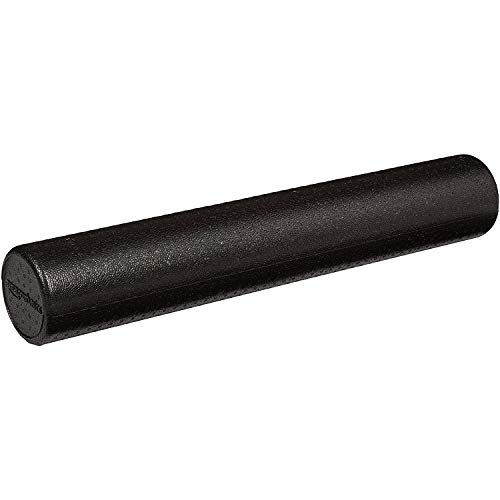
- Foam roller for leg DOMS high density — for self-massage and myofascial release
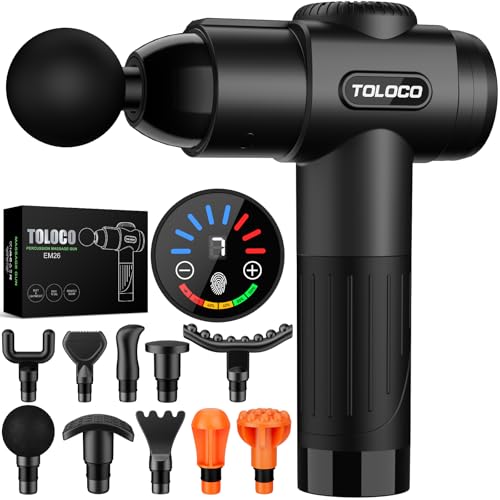
- Percussive massage gun for leg soreness — for deeper tissue relief
- Compression socks for delayed onset muscle soreness legs — to improve blood flow and reduce swelling

Before You Start
Before beginning any recovery routine, ensure you are in a safe environment with enough space to move. If you experience sharp pain, swelling, or swelling that worsens, stop and seek medical advice. Start with low intensity and gradually increase as your comfort allows. Hydration, light nutrition, and adequate sleep support recovery and reduce DOMS duration.
Step-By-Step: How To Alleviate Leg DOMS With Self-Myofascial Tools
- Warm up with 5–10 minutes of light activity, such as brisk walking or easy cycling, to increase blood flow before rolling or massage.
- Use the foam roller on calves, quads, hamstrings, and glutes. Move slowly, pausing on tender spots for 20–30 seconds to release fascia.
- Switch to the percussive massage gun and set a moderate intensity. Target the major muscle groups in the legs, avoiding bones and joints.
- Apply gentle pressure for 1–2 minutes per muscle group, then extend to 3–5 minutes on stubborn areas.
- Wear compression socks after rolling or massage during the day to help improve venous return and limit edema.
- Hydrate and consider a light, protein-rich snack after recovery work to support muscle repair.
- Follow with a cool-down walk and light stretching to maintain range of motion and prevent stiffness the next day.
- Schedule recovery sessions on non-consecutive days during heavy training blocks to avoid over-treatment and bruising.
- Monitor soreness levels: if DOMS persist beyond 72 hours or worsen, adjust training intensity and consider consulting a professional.
- Integrate these techniques into a broader program that includes gradual progression, proper warm-ups, and post-exercise nutrition.
- Reassess your workout plan: if DOMS is extreme after typical workouts, you may be overloading muscles too quickly.
- Document what works best, adjusting frequency and duration to fit your schedule and comfort.
Troubleshooting
| Symptom | Likely Cause | Fix | Prevention |
|---|---|---|---|
| Persistent dull ache after massage | Overuse or insufficient recovery | Reduce session duration and intensity | Plan rest days and vary workouts |
| Bruising or skin irritation from foam roller | Too much pressure | Lighten pressure, use a softer roller | Go slow, warm up before rolling |
| Stinging or numbness from massage gun | Direct use over nerve pathways | Move away from sensitive areas, use lower settings | Follow device guidelines and progress gradually |
| Rising pain after exercise | New activity or improper technique | Check form, reduce load, and rebuild distances | Progress gradually and listen to body |
Common Mistakes To Avoid
- Overdoing foam rolling or massage gun sessions, which can irritate muscle tissue
- Rolling directly on the knee cap or shin bone; target muscle groups instead
- Ignoring rest days, leading to cumulative fatigue and worse soreness
- Skipping warm-ups or post-exercise cooling down, increasing stiffness
- Using compression socks too tightly or for too long, causing circulation issues
Tips For Best Results
- Combine rolling and percussive massage with light aerobic activity to maintain blood flow
- Schedule recovery on days between hard workouts rather than immediately after intense sessions
- Keep sessions short initially and increase duration as tolerance improves
- Rotate muscle targets to avoid overworking the same areas in one session
- Use recovery tools consistently but not obsessively; consistency beats intensity for DOMS management
Call A Professional
Seek professional help if DOMS is severe, lasts more than a week, or is accompanied by swelling, redness, or fever. Consider a sports medicine clinician, physical therapist, or licensed massage therapist for individualized assessment and a tailored recovery plan.
FAQ
What is the quickest way to relieve leg DOMS?
Gentle movement, targeted self-massage with a foam roller, and a moderate percussive massage session can rapidly ease soreness for many people.
Can I prevent DOMS from returning after a tough leg workout?
Gradual progression, proper warm-ups, post-workout stretching, and regular use of recovery tools can help reduce DOMS frequency and intensity.
How often should I use compression socks for DOMS?
Wearing compression socks during or after workouts on leg DOMS days can support circulation; avoid wearing them if uncomfortable or to the point of numbness.
What activities help speed recovery besides rolling and massage?
Light cardio, dynamic stretching, hydration, sleep, and a balanced protein-rich meal aid muscle repair and soreness reduction.
Is it safe to use a massage gun on my calves and hamstrings?
Yes, with proper settings and caution around joints and bones. Start with low intensity and short sessions, then adjust as tolerated.
Buying Guide
When choosing recovery tools for leg DOMS, consider size, noise, energy use, and ease of use. A high-density foam roller provides effective fascia release with durable support, while a percussive massage gun offers deeper tissue work with adjustable speed. Compression socks should provide consistent compression without pinching. Look for a comfortable fit, user-friendly controls, and broad suitability for calves, hamstrings, and quads. Consider storage options and how the tools will fit into your existing routine. If space is limited, select compact gear and prioritize foam rolling for portability.
How to compare models: assess the density and firmness of foam rollers for your comfort, check the battery life and speed settings on massage guns, and verify compression pressures (measured in mmHg) for socks. Reading user reviews and consulting clinician recommendations helps align product choice with your leg DOMS recovery goals.
Want a balanced kit? Start with a high-density foam roller, add a mid-range percussive massage gun, and use compression socks on days with high soreness or after intense workouts. This combination covers immediate relief, deeper tissue work, and edema management for leg DOMS recovery.
Leave a Reply