How to Get Rid of Diesel Smell in House
Diesel odors can linger because diesel fuel contains volatile organic compounds that cling to fabrics, carpet, and air. This guide explains practical, step-by-step methods to reduce and eliminate diesel odors from indoor spaces using accessible methods and common household products.
Quick Answer
Use a combination of air purification, containment, and odor absorbers for fastest results. Activate carbon-based air purifiers, place odor absorber charcoal bags in key rooms, and apply a diesel fuel odor neutralizer spray in affected areas for spot treatment.
What You’ll Need
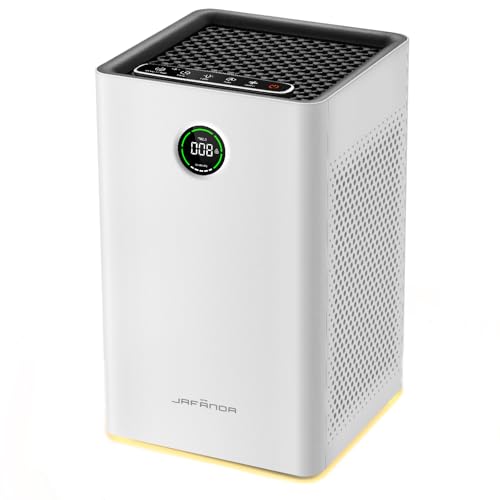
- Activated carbon air purifier for diesel odor removal
- Odor absorber charcoal bags for diesel smell in living spaces
- Diesel fuel odor neutralizer spray indoor use
- High-quality vacuum with a HEPA filter
- Fans or an air purifier with an adjustable fan speed
- Wide-opening windows or doors for ventilation
- Disposable microfiber cloths or paper towels
- Cleaning solutions (mild detergent, vinegar, baking soda)


Before You Start
Assess the area and identify sources of the diesel odor, including any spills or residues. Ventilate thoroughly by opening windows and doors when safe. Wear gloves and a mask if concentrations are noticeable. Plan a time window of several hours to a full day depending on space size. Expect lingering odors in fabrics and soft furnishings, which may require repeated treatment.
Step-By-Step: How To Get Rid Of Diesel Smell In House
- Isolate the source: If a spill is present, contain it with absorbent material and clean using a mild detergent solution to prevent further off-gassing.
- Ventilate the space: Open windows and use fans to push air out of the home. Create a cross-breeze by placing fans at opposite ends.
- Set up an odor control system: Place an activated carbon air purifier in the room most affected by the odor. Run at high or turbo mode if available.
- Place odor absorbers: Position odor absorber charcoal bags in corners, near entryways, and on shelves to maximize surface contact with the air.
- Spot-treat surfaces: Lightly mist diesel fuel odor neutralizer spray on hard surfaces and fabrics where the odor is strongest. Do not oversaturate.
- Deep-clean fabrics: Vacuum upholstered furniture, drapes, and carpets with a HEPA-filter vacuum to remove trapped particles. Consider a steam clean for fabric items.
- Wipe hard surfaces: Clean walls, baseboards, and other hard surfaces with a mild detergent solution to remove residue that could off-gas later.
- Reassess and repeat: Reassess the space after several hours of ventilation and cleaning. Repeat odor absorber placement and air purifier use as needed.
- Control humidity and airflow: Use a dehumidifier if humidity is high, and maintain steady airflow to prevent scent pockets from reforming.
- Minimize reintroduction: Stop smoking indoors and avoid storing diesel cans inside living areas. Seal any storage areas tightly.
- Final check: Do a scent test in multiple rooms, including near fabrics and carpets. If odors persist, plan a second pass with intensified purification.
Troubleshooting
| Symptom | Likely Cause | Fix | Prevention |
|---|---|---|---|
| Odor persists after airing | Odor absorbed in fabrics or carpets | Deep clean fabrics; run purifier on high; add more charcoal bags | Inspect and neutralize potential source areas promptly |
| Allergies or irritation | Residual volatile compounds | Increase ventilation; use fragrance-free cleaners; wear protective gear | Address odor sources quickly |
| Smell returns after cleaning | Re-release from wall or HVAC ducts | Check HVAC filters; replace as needed; clean ducts if feasible | Regular maintenance of HVAC system |
| Pet or occupant sensitivity | High volatile compounds remaining | Limit exposure, use purifiers with activated carbon | Address odor sources promptly |
Common Mistakes
- Relying on scented sprays alone without addressing the source or using filtration
- Over-wetting fabrics during cleaning, which can trap moisture and odors
- Using low-capacity purifiers in large rooms without adequate airflow
- Ignoring ventilation during initial cleanup
- Assuming odorless means safe; some compounds remain even when they aren’t noticeable
Awareness of these mistakes helps ensure that cleaning efforts are effective and avoid reoccurring odors.
Tips For Best Results
- Position an activated carbon air purifier where it can draw from the most contaminated areas
- Keep windows open during the day and close them at night to trap fresh air inside
- Use multiple odor absorber charcoal bags for larger rooms or open-plan spaces
- Rotate fabric items like curtains and cushions for more uniform odor removal
- Document odor levels with simple notes to track progress over time
Call A Professional
Consider contacting a professional if odors persist after repeated cleanup or if there is a strong fuel smell that suggests a leak, spill, or ventilation issue. Stop handling odors if you notice coughing, dizziness, or headaches, and seek medical or professional assistance promptly.
FAQ
Is it safe to use a diesel odor neutralizer spray indoors?
Yes, when used as directed on the label and in well-ventilated areas, it can help neutralize odor without harmful residues.
How long does it take to remove diesel smell from a room?
Results vary by room size and contamination level, but most spaces improve within several hours to a full day with proper purification and cleaning.
Can activated carbon air purifiers fully remove all diesel odors?
They greatly reduce volatile compounds, especially when combined with cleaning and ventilation, but very strong or persistent odors may require multiple passes.
Should I replace carpet or upholstery to fully remove the odor?
If odors are deeply embedded, professional cleaning or replacement of heavily contaminated fabrics may be necessary for complete removal.
Buying Guide
When choosing odor control products for diesel smells, consider size, noise, energy use, controls, and placement. A compact activated carbon air purifier is ideal for small living spaces, while larger homes benefit from multiple units or whole-house filtration. Noise levels matter for bedrooms and offices, so check dBA ratings and user-adjustable speeds. Energy efficiency helps lower operating costs during extended use. Look for easy-to-use controls, filter maintenance reminders, and the ability to place units near suspected odor sources. For placement, position purifiers and charcoal bags toward center rooms and near entryways to maximize air contact and odor adsorption. Compare models by equivalent odor removal capacity, filter life, and recommended room size to ensure balanced performance across living spaces.
Leave a Reply