How to Get Rid of Detergent Stains on Clothes
Detergent stains can appear as chalky white marks or appear dull on fabric after washing. These stains are common and can affect both light and dark fabrics. The following practical guide explains how to identify detergent residue, choose effective stain removers, and apply a reliable step-by-step method to restore clarity and brightness to your garments.
With the right approach, most detergent stains lift quickly without damaging fibers. This guide emphasizes safe, user-friendly techniques that work with common household products and targeted stain removers.
Quick Answer
Immediate treatment is key: blot or brush off excess residue, pre-treat with a detergent stain remover, then launder as directed. For stubborn cases, repeat with an enzyme-based remover or a prewash powder before washing again.
What You’ll Need
- Detergent stain remover spray for clothes pretreater
- Enzyme laundry stain remover for detergent stains on fabrics
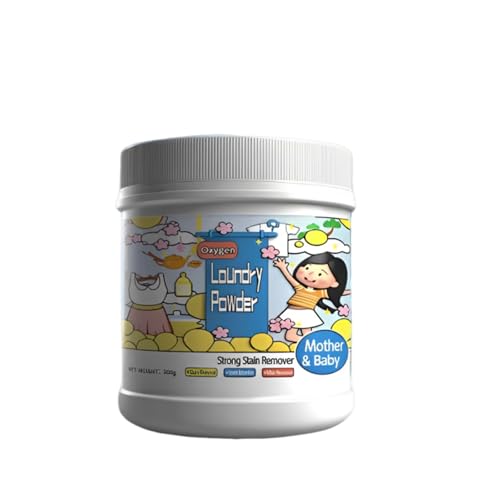
- Prewash stain remover powder for detergent residue on clothing
- Liquid laundry detergent (for final wash)
- Soft-bristled brush or old toothbrush
- Cold to warm water, depending on fabric care labels


Before You Start
Check care labels on each garment to ensure compatibility with stain removers and water temperatures. Test any remover on an inconspicuous area first to avoid color fading or fabric damage. Work on fresh stains as soon as possible, since set-in residues require more time to loosen. Avoid using hot water or high heat until the stain is fully lifted to prevent setting the residue. Allow a few minutes for pretreater products to penetrate the fibers before washing.
Step-By-Step: How To Remove Detergent Stains From Fabrics
- Gently brush away any loose powder or dry detergent from the fabric surface without rubbing it deeper into the fibers.
- Apply a detergent stain remover spray for clothes pretreater directly to the stained area, covering the entire spot.
- Let the product sit for 5–10 minutes to penetrate the fibers, following the label’s timing guidelines.
- For dense or stubborn residue, follow with an enzyme laundry stain remover for detergent stains on fabrics. Massage gently with a soft brush to help lift the film.
- Rinse the area with cold or lukewarm water to remove loosened particles. Do not use hot water at this stage, which can set the stain.
- Wash the garment as directed on the care label using your regular detergent and the warmest water safe for the fabric.
- Check the stain before drying. If any residue remains, repeat the pretreater or try a prewash stain remover powder for detergent residue on clothing, then rewash.
- Air dry or tumble dry on the lowest heat setting once the stain is gone. Avoid high heat until you are sure the stain is fully removed.
- For persistent stains, repeat the cycle or consider combining product types in a single wash, ensuring they are compatible with the fabric and care label.
- If color or texture changes occur, discontinue use and seek alternative stain removal methods suited to the fabric.
Troubleshooting
| Symptom | Likely Cause | Fix | Prevention |
|---|---|---|---|
| Stain remains after wash | Residue deeply embedded or too old | Pre-treat again with enzyme remover and rewash | Treat promptly; avoid overloading washer |
| Fabric color dulls after treatment | Harsh chemical on delicate fabric | Switch to milder product or test area first | Always test on hidden area |
| Stiff fabric after wash | Residue film from detergent | Rinse with extra water and rewash without heavy dosage | Use proper dosage and rinse cycle |
| Stain reappears after drying | Heat-set or incomplete removal | Repeat treatment before drying and avoid high heat | Air dry when unsure |
Common Mistakes To Avoid
- Using hot water too early, which can set detergent residues.
- Skipping a patch test on new or delicate fabrics.
- Overloading the washing machine, which reduces agitation and rinse effectiveness.
- Relying on one product alone for tough stains; some cases respond better to a combination approach.
Tips For Best Results
- Apply stain removers in a circular motion to lift residues from the fibers.
- For white fabrics, a second wash with a whitening-friendly detergent can help restore brightness after stain removal.
- Store pretreater and enzyme stain removers in a cool, dry place for longevity and effectiveness.
- Rinse thoroughly after treatment to avoid any product residue on clothing.
Call A Professional
Seek professional cleaning assistance if stains involve valuable fabrics, like silk or wool, or if repeated at-home treatments fail. Stop using aggressive chemical treatments on delicate fabrics, as improper use can cause irreversible damage.
FAQ
Can I use regular laundry detergent to remove detergent stains?
Regular detergent helps clean fabrics, but specialized stain removers work more effectively on detergent residues. Use the appropriate pretreater or enzyme remover as needed.
Is enzyme-based remover safe on all fabrics?
Enzyme removers are generally safe for many fabrics, but test first on a hidden area and follow care labels.
How long should I let prewash powder sit before washing?
Follow package directions, usually 5–15 minutes to let the powder dissolve and penetrate the fibers.
What if the stain returns after washing?
Repeat treatment with a different product type or rewash using a longer wash cycle on the appropriate temperature for the fabric.
Are there natural alternatives for detergent stains?
Some people use a paste of baking soda and water or white vinegar in small amounts; however, these methods may not be as reliably effective as dedicated stain removers.
Is it safe to mix stain removers?
Do not mix multiple stain removers unless the product guidelines explicitly allow it. Some combinations can release harmful fumes or damage fabrics.
Buying Guide
When selecting products for detergent stain removal, consider the following factors to ensure effective results and fabric safety.
- Size and concentration: Choose a formula that suits your laundry load size and frequency of stains. A spray bottle is convenient for quick spot treatment, while powders are often cost-effective for larger prewash tasks.
- Detergent residue focus: Look for products labeled specifically for detergent stains or residue removal to target the most common issue on clothes.
- Enzyme content: Enzymes help break down organic residues and can be more effective on set-in stains.
- Fabric compatibility: Verify compatibility with delicate fabrics and colorfastness; always test on a hidden area first.
- Application method: Sprays offer quick spot treatment; powders require mixing with water or direct application to ensure even coverage.
- Ease of use: Consider products with clear instructions and short sit times for busy households.
- Storage and shelf life: Store in a cool, dry place and check expiry dates for maximum effectiveness.
- Placement considerations: Keep stain removal products away from children and pets, and store near laundry supplies for convenience.
With the right approach, most detergent stains are manageable at home. Do you prefer a quick spray-and-treathe solution or a powder prewash method? Choose the kit that aligns with your laundry routine and fabric types, and you’ll maintain brighter, cleaner clothes with less effort.
Leave a Reply