How to Get Rid of Dead Grass and Restore a Lush Lawn
Dead grass can point to compaction, thatch buildup, or nutrient imbalances. This guide explains practical, at-home methods to remove dead grass and revitalize your turf, using common tools and a few key products.
Quick Answer
For best results, start with dethatching to remove dead matter, then overseed bare patches and follow with regular mowing and proper watering. Use targeted tools to loosen debris and a seed spreader to fill thin areas. With the right approach, you can reclaim a healthy, even lawn in a single season.
What You’ll Need
- Manual lawn dethatcher rake thatch remover 2-in-1 for dead grass
- Electric lawn scarifier dethatcher machine for dethatching and clearing dead grass
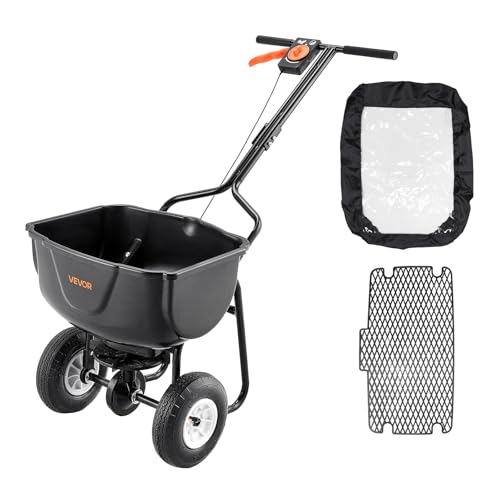
- Lawn overseeder with seed spreader for bare patches


Before You Start
Prepare the area by mowing the lawn closely and removing large debris. Test your soil pH and plan to adjust if necessary (most grasses prefer a pH near 6.0–7.0). Expect to water deeply after overseeding. Wear protective gloves and eye protection when using dethatching equipment and follow manufacturer instructions for each tool. Time estimates assume a small to medium yard (1,000–5,000 sq ft).
Step-By-Step: How To Get Rid Of Dead Grass
- Inspect the lawn to identify heavily thatched zones and bare patches.
- Rent or assemble a dethatching setup and set depth to lightly penetrate the thatch layer.
- Pass over the entire lawn with a manual dethatcher rake to lift and remove dead material.
- Switch to an electric lawn scarifier if the thatch layer is thick or stubborn; use short, overlapping passes.
- Rake up loosened debris and compost or bag it, depending on thatch volume.
- Apply overseeding to bare patches using a lawn overseeder with seed spreader for even coverage.
- Lightly rake seeds into the soil and water gently to begin germination.
- Maintain moisture with frequent, small waterings until seedlings are established.
- Apply a starter fertilizer if soil tests indicate a need for nutrients.
- Resume normal lawn care: mow at the recommended height, avoid heavy traffic on newly seeded areas, and monitor for germination progress.
Troubleshooting
| Symptom | Likely Cause | Fix | Prevention |
|---|---|---|---|
| Poor seed germination | Insufficient soil contact or uneven seed distribution | Use a seed spreader and lightly rake to improve contact | Choose appropriate seed mix for your region |
| Streaky bare patches | Uneven overseeding or compacted soil | Reseed thin areas and aerate as needed | Soil testing and proper watering schedule |
| Thatch returns quickly | Inadequate dethatching depth or timing | Reassess dethatching depth and repeat as needed | Regular maintenance every season |
| Seedling scorch after watering | Too much sun or drought stress | Water deeply but less frequently to encourage deep roots | Monitor weather and adjust watering |
Common Mistakes
- Using dethatching tools on wet, muddy lawns can clump debris and damage turf.
- Over-seeding in shady areas without adjusting seed selection leads to weak germination.
- Ignoring soil pH and fertility can slow recovery; test and amend when needed.
- Waiting too long to overseed after dethatching reduces germination success.
Tips For Best Results
- Work in sections to ensure even dethatching and overseeding across the lawn.
- Water deeply after reseeding to encourage strong root establishment.
- Follow a lawn care schedule that aligns with local climate and grass type.
- Keep foot traffic off newly seeded areas until seedlings are well established.
Call A Professional
Consider professional help if the lawn shows extensive compacted soil, severe thatch beyond a few inches, or if you lack access to or experience with dethatching equipment. Seek immediate assistance if you notice persistent fungal signs, extensive patching that fails to improve, or uneven water drainage from the yard.
FAQ
What is the easiest way to remove dead grass?
The simplest approach is to use a manual dethatcher rake or an electric dethatching machine to lift and remove dead material, followed by overseeding bare spots.
When should I dethatch my lawn?
Best in the early spring or fall when the grass is actively growing and soil is workable.
How long does it take for overseeded patches to fill in?
Typically 2–6 weeks for initial germination, with full recovery taking several months depending on conditions.
Can I overseed and fertilize at the same time?
Yes, but space ensure you use a starter fertilizer recommended for new seed and avoid high-phosphorus mixes if your soil already has adequate nutrients.
What if my lawn has persistent thatch?
Thatch thicker than 0.5 inches often needs more aggressive dethatching and possibly core aeration; consult a pro if unsure.
Buying Guide
Choosing the right tools and methods matters for effectively removing dead grass and rejuvenating a lawn. Key factors include tool type, compatibility with your yard size, noise and energy use, and how the setup fits your routine.
Size and yard compatibility
For small to medium lawns, a manual dethatcher rake is often sufficient. Larger yards may benefit from an electric dethatcher or a dedicated scarifier to speed up the process.
Noise level and energy efficiency
Manual tools are quiet and inexpensive but require more effort. Electric machines offer faster results but produce noise and require power access. Consider battery-powered options for flexibility.
Controls and ease of use
Look for machines with intuitive depth control, stable wheels, and simple pull-start or push-button operation. Ease of use reduces fatigue and improves results.
Placement and storage
Choose compact tools that can be stored in a shed or garage. Consider a combined dethatching and scarifying model if space is limited.
Combination perspectives
Using a manual lawn dethatcher rake for initial debris removal, followed by an electric lawn scarifier dethatcher machine for deeper thatch, and finishing with a lawn overseeder with seed spreader for patch restoration often yields the best outcome. Assess your yard size, climate, and maintenance routine to decide the right mix.
Leave a Reply