How to Get Rid of Dark Circles With Makeup
Dark circles under the eyes can be addressed with a combination of color correction, concealer techniques, and the right tools. This guide walks through practical steps to brighten the under-eye area using makeup that blends seamlessly with American skin tones and color diversity. The focus is on simple, repeatable routines that deliver natural-looking coverage without caking.
Quick Answer
Start with a peach or orange color corrector to neutralize blue undertones, then apply a lightweight concealer that matches your skin tone. Use a synthetic bristle under-eye concealer brush or a dual-ended applicator for precise blending, and finish with a setting powder or a dab of translucent powder to prevent creasing.
What You’ll Need
- Under eye concealer brush synthetic bristles for precise, smooth application
- Color corrector palette for dark circles peach orange concealer to counteract blue/purple tones
- Dual-ended under-eye concealer applicator brush mini beauty sponge for blending and tapping

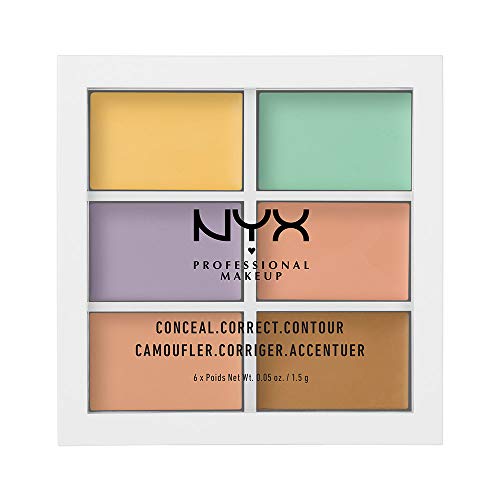

Before You Start
Prepare the skin with a gentle cleanse and a light moisturizer to prevent dryness. If you have very dry under-eyes, apply a thin layer of eye cream and wait a minute before makeup. Choose a color corrector that suits your undertone and avoid shades that look too orange or too pale. A good rule is to apply correction only where needed, not across the entire under-eye area. Time estimate: 5–10 minutes for routine setup and application. Caution: do not rub or irritate the delicate under-eye skin; use light tapping motions to avoid thinning or stretching the area.
Step-By-Step: How To Use Color Correctors And Concealer
- Prep the area with a dampened sponge or brush to remove excess product and ensure a smooth base.
- Apply a thin layer of color corrector in the darkest areas. For blue-purple shadows, use a peach or orange-peach shade in a very light, targeted sweep.
- Blend the correction outward, avoiding the inner corner of the eye to prevent widening the appearance of darkness.
- Dot a skin-tone shade concealer over the corrected area, focusing on the inner and outer corners where darkness persists.
- Use the under eye concealer brush synthetic bristles to blend the edges in a gentle tapping motion, building coverage as needed.
- Tap with the dual-ended under-eye concealer applicator brush mini beauty sponge to even out texture and lift the product into the skin.
- Set with a light, finely milled powder or translucent powder, applied with a fluffy brush or a small puff to prevent creasing.
- If desired, layer a small amount of concealer using a pat-and-roll motion for extra coverage in problem areas.
Troubleshooting
| Symptom | Likely Cause | Fix | Prevention |
|---|---|---|---|
| Cake-y or creased under eyes | Over-application or heavy powder | Lighten product and blend thoroughly; use less powder | Apply in thin layers; set with minimal powder |
| Orange tint peeking through | Color corrector too orange for skin tone | Choose a peach-tinted corrector closer to skin tone | Test shade on jawline before full face |
| Dark circles still visible after concealer | Incorrect shade or insufficient blending | Try a lighter concealer shade or adjust blending technique | Match undertone and blend thoroughly |
| Concealer settling into fine lines | Thick formula or over-application | Switch to a lightweight concealer; apply in thin layers | Hydrate under-eye area and use a smoothing primer |
Common Mistakes
- Using a concealer shade that’s too light or too dark for the skin tone
- Applying color corrector over large areas instead of targeted spots
- Rubbing or tugging the delicate under-eye skin during blending
- Skipping moisturizer or not letting products set before powder
Sticking to precise placement, light layering, and proper blending helps maintain a natural look that brightens rather than draws attention to the under-eye area.
Tips For Best Results
- Choose a color corrector in a peach or orange family that matches your undertone for the most natural correction.
- Use a synthetic bristle brush for smooth, streak-free blending; it mimics the feel of professional tools while staying easy to clean.
- Apply concealer in a triangular shape under the eye, then blend upward toward the temples to lift the eye area.
- Set only the inner corner and mid-under-eye zone to avoid a flat, powdery look.
- Keep skin hydrated; dry skin exaggerates fine lines and cakiness.
Call A Professional
Seek professional help if dark circles persist despite makeup, if you experience persistent puffiness, or if you have concerns about underlying health or allergies. A dermatologist can evaluate for skin conditions, while a makeup artist can tailor shade and technique to your unique complexion. If you notice irritation, persistent redness, or swelling, discontinue use and consult a clinician.
FAQ
What order should I apply color corrector and concealer?
Apply color corrector first to neutralize discoloration, then apply concealer to match your skin tone and finish with setting powder.
Can I skip color corrector and still cover dark circles?
Yes, by choosing a concealer with good coverage that matches your skin tone and blending well, you can achieve effective coverage without correction.
How do I choose the right shade for my skin?
Test concealers on the underside of your jaw or along the inner wrist; look for a shade that disappears into your neck and matches your undertone.
What should I do if I have oily skin around the eyes?
Use a long-wearing concealer and a light, oil-absorbing powder to prevent shine and creasing.
Is waterproof makeup better for under-eye use?
Waterproof formulas can help in humid conditions or for long days, but they may be harder to remove and could require a gentle remover.
Are mini tools less effective than full-size brushes?
No. The dual-ended applicator and synthetic brushes are designed for precision; choose quality over size for better results.
Buying Guide
When selecting makeup to combat dark circles, consider size, texture, and finish. A lightweight concealer that offers buildable coverage helps avoid a heavy look. Look for formulas labeled as hydrating or dewy to prevent dryness, and consider long-wearing options for all-day use. For color correcting, peach or orange tones work well for blue-toned circles; select a shade that harmonizes with your undertone. Placement matters: correct only where needed, and blend toward the outer corners for a lifted appearance. If you wear contact lenses, opt for ophthalmologist-tested products to minimize irritation.
Buying Guide: Key Factors To Compare
Size and packaging impact travel and refills, while texture and finish affect how natural the coverage looks in different lighting. Noise level is not applicable here, but you should assess product glow, staying power, and potential creasing. Energy efficiency and controls aren’t relevant for cosmetics, but compatibility with sensitive skin and fragrance-free options can matter for comfort. Consider placement: keep color correctors and concealers organized with brushes and sponges for quick, clean touch-ups. Compare shade ranges and undertones—A balanced palette helps address a variety of skin tones across different seasons.
Leave a Reply