How to Get Rid of Dandruff for 4C Hair
Dandruff can affect anyone, but for 4C hair textures, managing flakes often involves a combination of gentle cleansing, scalp care, and the right tools. This guide outlines practical steps to reduce dandruff while protecting curl pattern and scalp health. By using targeted techniques and reputable tools, the scalp can feel comfortable and flakes can diminish over time.
Quick Answer
Start with a gentle anti-dandruff shampoo, massage the scalp with a silicone scalp brush, rinse thoroughly, and follow with a lightweight conditioner. Use a scalp exfoliating brush once or twice weekly to remove buildup, and avoid harsh brushes or overwashing.
What You’ll Need
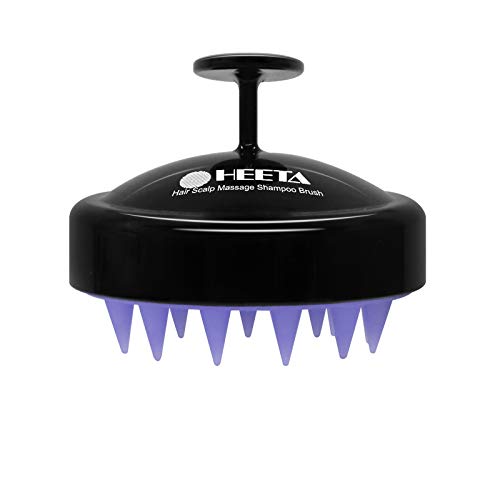
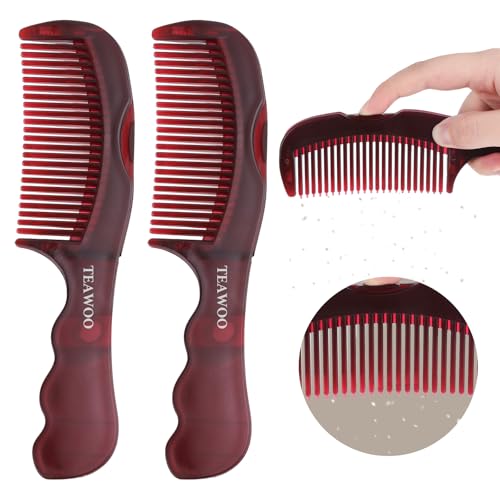
- Scalp massager brush for dandruff silicone
- Anti-dandruff scalp brush for afro textured hair
- Scalp exfoliating brush silicone for itchy scalp

Before You Start
Assess your scalp for sensitivity or open sores. If itching is severe, consult a dermatologist. Plan a washing routine that fits your schedule to prevent overuse. Time estimate for a routine wash and care session: 20–40 minutes. Important safety notes: avoid vigorous scrubbing, and never share brushes to prevent skin infections.
Step-By-Step: How To Use Scalp Brushes For Dandruff
- Wet hair thoroughly and apply a mild, anti-dandruff shampoo suited for textured hair.
- Gently massage the scalp with a silicone scalp brush, using small circular motions to stimulate blood flow and loosen flakes.
- Rinse completely, ensuring all product is removed from curls without tangling.
- Apply a lightweight conditioner, focusing on the mid-lengths and ends, then rinse again if the product directs so.
- Optional: use a scalp exfoliating brush once or twice weekly to remove buildup and aid exfoliation.
- Rinse well, then gently squeeze out moisture and detangle with a wide-tooth comb or your fingers.
- Dry with a microfiber towel or fabric t-shirt to minimize frizz and breakage.
- Style as usual with lightweight products that won’t weigh down 4C hair.
- Maintain a consistent routine, adjusting frequency based on scalp response and humidity.
Troubleshooting
| Symptom | Likely Cause | Fix | Prevention |
|---|---|---|---|
| Persistent flakes after washing | Product buildup or inadequate rinsing | Double-rinse, use clarifying step monthly | Rinse thoroughly, distribute shampoo evenly |
| Itchy scalp with redness | Sensitivity or overuse of products | Switch to a fragrance-free formula, reduce washing frequency | Patch test new products |
| Dry, brittle curls | Over-washing or harsh brushing | Use gentler brushes, reduce washing interval | Moisturize with lightweight oils or leave-ins |
| Scalp irritation after using brush | Excess pressure or rough bristles | Lighten pressure, ensure silicone bristles are clean | Clean brushes regularly, avoid sharing |
Common Mistakes To Avoid
- Overwashing the scalp, which can strip natural oils and worsen dryness
- Using harsh brushes or aggressive scrubbing that irritates the scalp
- Neglecting conditioning, especially on very textured hair
- Skipping rinsing steps, leaving residue that can trigger further irritation
Tips For Best Results
- Choose a silicone scalp brush designed for dandruff and afro-textured hair to minimize snagging
- Temporarily reduce heat during washing and drying to protect moisture balance
- Rotate products: try a gentle anti-dandruff shampoo with a soothing conditioner
- Keep brushes clean and dry to prevent bacterial growth
- Consider scalp-friendly oils in small amounts if the scalp is very dry
Call A Professional
Seek a dermatologist if dandruff persists after 4–6 weeks of consistent care, if the scalp is very inflamed, or if there is significant hair shedding. Stop using any product that causes burning, severe itching, or a spreading rash.
FAQ
What’s the best way to use a scalp brush on 4C hair?
Use gentle circular motions along the scalp, not the hair shafts, to stimulate the scalp without causing tangling.
How often should I exfoliate my scalp?
Start with once a week and adjust up to twice weekly if the scalp tolerates it and buildup is noted.
Can I brush during wet hair?
Yes, but be gentle and use a detangling approach to avoid breakage.
Are there ingredients to look for in anti-dandruff products for afro-textured hair?
Look for soothing agents like salicylic acid, ketoconazole, or zinc pyrithione, paired with hydrating conditioners.
Will using a scalp brush cause hair loss?
When used correctly, scalp brushes do not cause hair loss and can improve scalp health by reducing buildup.
Should I skip washing if my scalp is very itchy?
Skipping washing can worsen flaking; opt for a milder shampoo and shorter washing sessions while assessing comfort.
Is heat or oiling essential for dandruff management?
Neither is essential; focus on cleansing, exfoliation, and moisture balance tailored to your scalp’s needs.
Buying Guide
When selecting scalp care tools for dandruff on 4C hair, consider size, material, and compatibility with your routine. Look for brushes with soft silicone bristles that minimize scalp irritation and are easy to clean. Noise level, grip comfort, and head design affect daily use. Consider how the tool fits into your existing wash-day timeline and whether you prefer a dedicated exfoliating brush or a dual-purpose scalp massager. Finally, ensure the product aligns with your preferred anti-dandruff shampoos and conditioners for a cohesive routine.
Leave a Reply