How to Get Rid of Dander in House
Dander from pets can linger in the air and on surfaces, triggering allergies and making indoor air feel less fresh. This guide explains practical steps to reduce dander, improve air quality, and maintain a cleaner home. By combining cleaning routines with the right equipment, homeowners can minimize dander without heavy, time-consuming chores.
Quick Answer
Use a multi-pronged approach: seal and trap particles with a sealed system vacuum, purify the air with a true HEPA filter, and scrub the air with a carbon-enabled unit. Routine cleaning plus the right devices can dramatically reduce dander levels.
What You’ll Need
- HEPA air purifier for pet dander true HEPA filter
- HEPA vacuum cleaner for pet hair and dander sealed system
- Portable air scrubber with carbon filter for pet dander


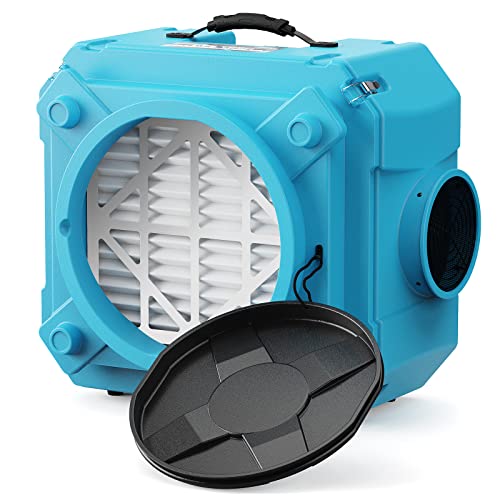
Before You Start
Assess rooms with the most pet activity: living rooms, bedrooms, and any spaces with carpeting. Establish a cleaning cadence: daily quick dusting and weekly deeper cleaning. Safety notes include unplugging electrical devices during vacuum maintenance and following manufacturer guidance for filter replacement. Expect noticeable improvements within a few days of consistent use. Time commitment varies by home size—plan 30–60 minutes for weekly routines and 15–30 minutes for quick daily tasks.
Step-By-Step: How To Get Rid Of Dander In House
- Choose a primary cleaning strategy by selecting a HEPA vacuum cleaner for pet hair and dander sealed system for daily use in high-traffic rooms.
- Set up a portable air scrubber with carbon filter for pet dander in rooms with the most activity to capture odors and fine particles.
- Run the HEPA air purifier for pet dander true HEPA filter in bedrooms and living spaces, especially during and after grooming sessions.
- Vacuum all upholstered furniture, curtains, and bedding with the sealed-system vacuum to trap dander at the source.
- Wash pet bedding, blankets, and fabric toys in hot water when possible to remove embedded dander.
- Seal floor gaps and vent openings where feasible to minimize re-circulation of particles.
- Change or clean filters on all devices according to manufacturer schedules to maintain peak performance.
- Schedule a weekly cleaning routine that includes dusting high surfaces with a microfiber cloth to trap dander rather than scattering it.
- Consider a full-room air exchange by turning on the air scrubber and purifier simultaneously for 30–60 minutes to refresh indoor air.
- Monitor air quality visually and by noting allergy symptoms; adjust device placement and run times to maintain relief.
- Keep doors closed in rooms with pets when possible to limit dander dispersion to common areas.
- Regularly inspect and maintain all devices, replacing filters and seals as needed to prevent leaks and reduced efficiency.
Troubleshooting
| Symptom | Likely Cause | Fix | Prevention |
|---|---|---|---|
| Persistent musty odor despite cleaning | Insufficient carbon filtering | Increase run time or add an extra portable air scrubber with carbon | Place scrubbers near odor sources; replace carbon filters as recommended |
| Allergy symptoms persist after cleaning | Filtration not effective in certain rooms | Upgrade to a purifier with true HEPA and seal system | Ensure devices cover the entire living area and run continuously during high-activity periods |
| Dust reappears quickly after cleaning | Carpeting and textiles act as reservoirs | Focus on upholstery and consider hard-surface flooring | Vacuum weekly and launder fabrics routinely |
| Devices show reduced airflow | Clogged filters | Replace filters and clean intake vents | Follow maintenance intervals in manuals |
| Noise from equipment is disruptive | High-speed fans or multiple devices | Reposition units for quieter operation and stagger run times | Choose devices with adjustable speeds or night modes |
Common Mistakes
- Omitting the use of sealed-system vacuums for pet-related cleaning
- Relying on a single device instead of combining purification and filtration
- Neglecting fabric and upholstery care, which trap dander
- Running devices intermittently, which allows particles to accumulate
Tips For Best Results
- Place HEPA air purifier for pet dander true HEPA filter in bedrooms for overnight relief.
- Choose a portable air scrubber with carbon filter for pet dander to address odors in shared spaces.
- Run devices on a schedule that aligns with pet activity (e.g., after grooming, during daytime play).
- Use a high-efficiency vacuum with a sealed system to prevent particle escape back into the room.
- Keep surfaces dry; moisture can release particulate matter into the air during cleaning.
Call A Professional
Consider professional help if indoor air quality remains poor despite routine cleaning, or if you notice persistent mold, unusual odors, or asthma-like symptoms. Seek a licensed HVAC specialist or indoor air quality expert to assess ventilation, ductwork, and overall airflow. Stop signs include persistent symptoms, rising humidity not explained by weather, or equipment failure that cannot be resolved with standard maintenance.
FAQ
What is the first step to reduce pet dander at home?
Start with a sealed-system vacuum to remove dander from floors and furniture, then deploy a true HEPA air purifier to clean the air.
How often should I replace HEPA filters?
Follow the manufacturer’s guidelines, typically every 6–12 months for home use, or sooner with heavy pet activity.
Can I use multiple devices at once?
Yes, using a purifier, vacuum, and air scrubber together can accelerate dander reduction, especially in large or multi-room homes.
Will washing my pet’s bed help?
Yes, washing pet bedding in hot water helps remove embedded dander and reduces airborne particles when the bed is cleaned.
Buying Guide
When selecting gear to reduce house dander, consider several factors. Size matters: match purifier and scrubber capacity to room square footage and ceiling height. For pet dander, a true HEPA filter is essential, paired with a high CADR (-clean air delivery rate) appropriate for the space. Noise level should fit the room’s use—look for devices with quiet or night modes. Energy efficiency reduces running costs over time. Controls should be intuitive, with easy filter maintenance reminders. Placement is key: locate purifiers away from walls with airflow free to circulate, and position scrubbers near odor sources or high-traffic zones. Think about a layered setup that combines a HEPA vacuum cleaner for pet hair and dander sealed system with a portable air scrubber and a true HEPA purifier for comprehensive coverage. Finally, check compatibility with pet households, ease of filter replacement, and total cost of ownership over several years.
Leave a Reply