How to Get Rid of Damp Smell After a Leak
Leaks can leave a persistent musty odor that lingers long after the visible water is gone. The combination of moisture, mold spores, and damp materials often requires a multi-step approach. This guide provides a practical, American-friendly method to banish damp smells after a leak, using safe cleaners, moisture monitoring, and proper deodorization techniques.
Quick Answer
Act quickly to dry the area, identify the moisture source, and treat affected materials. Use a basement dehumidifier to reduce humidity, test for hidden moisture, clean with an antimicrobial cleaner, and follow up with deodorization. If odors persist beyond a few days, consider professional mold remediation and further moisture control.
What You’ll Need
- Basement dehumidifier 70 pint auto shutoff for damp smell after leak
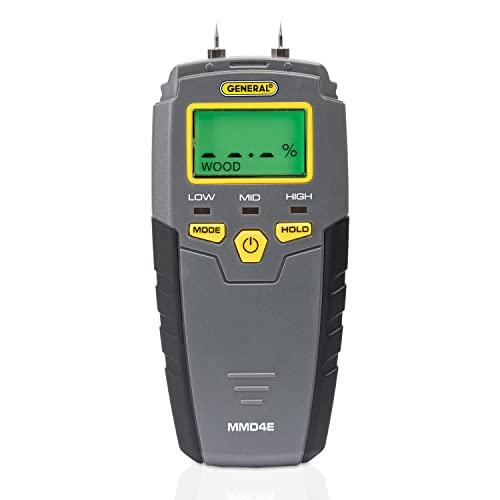
- Moisture meter moisture tester wood concrete leak detection
- Mold remediation spray antimicrobial cleaner for damp smell after leak

Before You Start
Prepare the space by removing standing water and drying surfaces. Open windows if weather allows, and use fans to circulate air. Wear gloves, a mask, and eye protection when handling moldy materials or cleaners. Avoid mixing cleaners and never operate electrical devices near wet areas. Plan for several days of drying and cleaning, as damp environments take time to reset.
Step-By-Step: How To Get Rid Of Damp Smell After A Leak
- Turn off the affected area’s HVAC if it may spread spores, then isolate the space to prevent cross-contamination.
- Address the water source first: seal or repair the leak, and remove standing water using towels or a sump pump if needed.
- Set up a basement dehumidifier 70 pint auto shutoff for damp smell after leak in the affected space and run on high until the humidity drops below 50%.
- Use a moisture meter moisture tester wood concrete leak detection to check walls, floors, and hidden areas for remaining moisture pockets.
- Clean visible mold and organic residues with a mold remediation spray antimicrobial cleaner for damp smell after leak, following label directions and allowing adequate contact time.
- Dispose of porous materials that cannot be cleaned (drywall, insulation) in sealed bags to prevent odors from lingering.
- Thoroughly dry all surfaces and treat with a deodorizing technique, such as activated charcoal, baking soda, or a specialized odor-eliminating cleaner.
- Recheck moisture levels after 24–48 hours. If readings remain high, extend dehumidifier use and re-evaluate for hidden water sources.
- Inspect HVAC ducts for moisture buildup or mold growth and clean or replace affected sections if needed.
- Resume normal humidity control and maintain a dry environment to prevent odor return. Regularly monitor the area for new leaks.
- Document the remediation steps and results in case future inspections are needed for insurance or compliance.
- If odor persists after thorough drying and cleaning, consider professional mold remediation for deeper contamination.
Troubleshooting
| Symptom | Likely Cause | Fix | Prevention |
|---|---|---|---|
| Persistent musty odor after drying | Hidden moisture pockets | Reassess with moisture meter, extend dehumidification | Regular moisture checks after leaks |
| Odor returns within days | Porous materials not fully dried | Replace or thoroughly dry affected materials | Improve air circulation and rapid drying after leaks |
| No improvement after cleaner application | Endogenous mold growth in HVAC | Inspect ducts, clean or replace as needed | Seal gaps to reduce indoor humidity |
| High humidity reading | Undetected water intrusion | Find leak source, repair, and continue dehumidification | Maintain humidity around 40–50% |
Common Mistakes
- Underestimating the size of the affected area and drying it too quickly
- Using only air fresheners instead of addressing moisture and mold
- Wiping moldy surfaces without proper protective gear
- Ignoring hidden moisture behind walls or under floors
Tips For Best Results
- Keep humidity below 50% during and after cleanup to prevent mold regrowth
- Run dehumidifiers continuously in the affected area for several days beyond visible dryness
- Test for moisture again after 24–48 hours to confirm the area is dry
- Use antimicrobial cleaners specifically designed for mold to reduce biofilm growth
- Ventilate the space well during cleaning, but avoid spreading spores to other rooms
Call A Professional
Consider a professional if: the leak reappears, the odor persists after comprehensive drying, or mold-like growth covers large areas. Signs you should stop and call a pro include persistent damp patches, visible mold beyond a few square feet, or health symptoms such as coughing or throat irritation when inside the space.
FAQ
How long does it take to remove damp smell after a leak?
Drying typically takes 24–72 hours with proper dehumidification, but odor may linger if hidden moisture remains. Comprehensive drying and cleaning may extend this timeline.
Can I use bleach to remove mold odors?
Bleach can kill surface mold but is not ideal for porous materials. Use an approved mold remediation spray and follow safety guidelines.
Is a dehumidifier enough to dry a leaky area?
Dehumidifiers are essential, but they must be paired with water removal and moisture testing to ensure all pockets are dry.
When should I replace drywall or insulation?
If mold has penetrated porous materials and cleaning cannot remove it, replacement is recommended to prevent odor and health risks.
How can I prevent damp smells after future leaks?
Promptly fix leaks, control humidity, and inspect for hidden moisture during and after any water event.
Buying Guide
When selecting equipment and products to prevent damp smells after leaks, consider several factors. Size and capacity influence how quickly a space dries; a 70 pint capacity is suitable for many basements and crawl spaces. Noise level matters for living areas; models with lower decibel ratings are preferable. Energy efficiency reduces ongoing cost during extended use. Look for automatic shutoff features to prevent overdrying and to keep the space comfortable. Consider moisture meters for accurate detection of hidden damp areas. Finally, pairing a dehumidifier with an antimicrobial cleaner and odor-neutralizing products can improve overall outcomes. For best results, choose tools and cleaners that suit the specific space and climate conditions in the United States, and follow label instructions for safe operation.
Leave a Reply