How to Get Rid of Crunchy Feet and Smooth Heels
Cracked, dry, and crunchy feet are a common concern for many people. With the right tools and a simple routine, you can restore softness and prevent future dryness. This guide walks through practical, American-tested methods using common foot care devices and natural care tips.
By following a structured routine, you can tackle rough skin, calluses, and dryness effectively. The goal is healthier skin that resists cracking without causing irritation or damage.
Quick Answer
Best quick fix: Use a coarse-grit electric foot file or pumice stone to gently remove thick dead skin, then follow with a rechargeable electric scrubber to finish the job and moisturize. Do this 2–3 times per week and maintain daily moisture between sessions for best results.
What You’ll Need
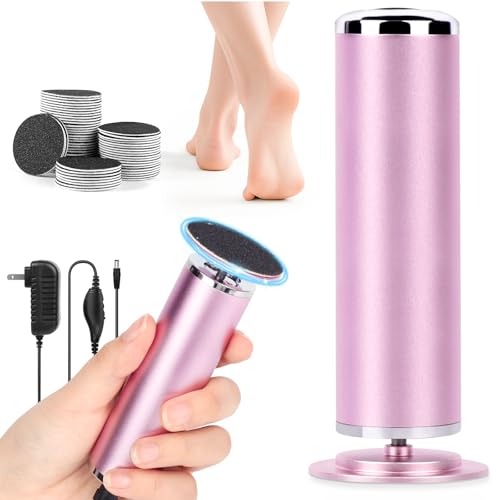
- Electric foot file callus remover coarse grit for rapid removal of thick dead skin
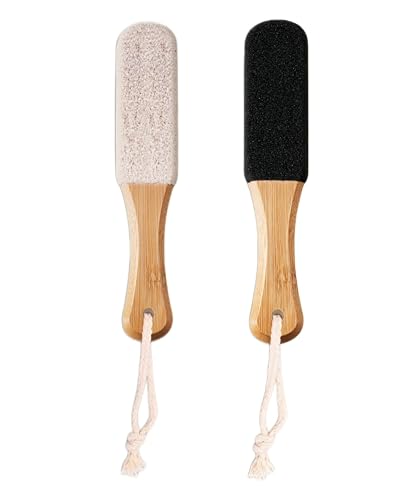
- Pumice stone foot file dry cracked heels for gentler, at-surface smoothing
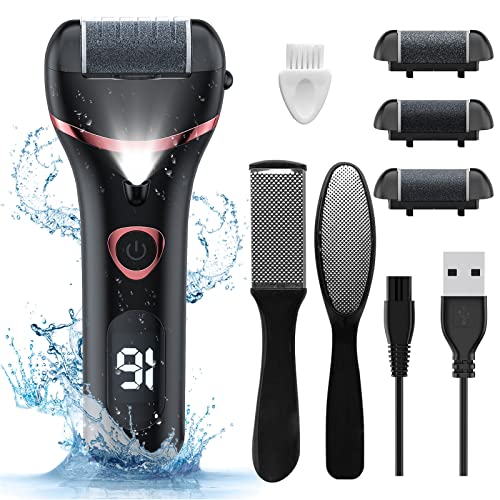
- Electric foot scrubber callus remover rechargeable for finishing polish and exfoliation
- Moisturizing cream or thick foot balm
- Clean towels and a basin of warm water for soaking
Before You Start
Preparing feet properly reduces the risk of irritation. Soak feet in warm water for 5–10 minutes to soften skin, then dry thoroughly. Inspect for open wounds, cracks that bleed, or signs of infection. If any of these are present, consult a healthcare professional before using abrasive devices. Never press hard or dislodge skin aggressively—let the tool work with gentle pressure. Plan routine sessions 20–30 minutes each, allowing time for cleansing and moisturizing between steps.
Step-By-Step: How To Get Rid Of Crunchy Feet
- Prepare the feet by soaking in warm water with a dash of mild soap for 5–10 minutes to soften calluses.
- Dry the feet completely; this enhances traction and prevents slipping during use of the tools.
- Begin with the electric foot file callus remover coarse grit on the thickest, dry areas, using short, even strokes.
- Work in sections, pausing to check skin texture. Move to pumice stone foot file dry cracked heels for spots that need a gentler touch.
- Switch to the electric foot scrubber callus remover rechargeable for a finer polish, focusing on heels, balls, and sides of the feet.
- Rinse feet to remove grit and debris, then pat dry with a towel to prepare for moisturizing.
- Apply a thick foot cream or balm, preferably one with ceramides or urea to lock in moisture.
- Put on breathable socks to help moisture absorption overnight if your skin is very dry.
- Repeat the process 2–3 times per week, adjusting pressure to avoid irritation and listening to skin feedback.
- Maintain daily care with mild cleaning and consistent moisturizing; avoid hot water, which can worsen dryness.
- Periodically reassess foot texture. If roughness returns quickly, increase hydration or adjust exfoliation frequency.
- Finish any session with a short foot massage to improve circulation and comfort.
Troubleshooting
| Symptom | Likely Cause | Fix | Prevention |
|---|---|---|---|
| Skin feels sore after use | Excess pressure or over-exfoliation | Use lighter pressure; shorten sessions | Follow tool with moisturizer |
| Cracking returns quickly | Insufficient moisture or dry environment | Increase daily hydration and consider humidifier | Regular moisturizing routine |
| Tool becomes less effective | Skin buildup dulls grit | Clean tools after each use; replace coarse grit if worn | Cleanse feet before use |
| Redness or irritation | Rough handling or sensitive skin | Pause use, apply soothing ointment | Test on small area first; adjust frequency |
Common Mistakes
- Over-exfoliating in a single session, which can lead to irritation and cracks
- Using hot water between steps, which dries skin further
- Rushing the moisturization step, leaving skin bare to air and wind
- Neglecting to sanitize tools, risking skin infections
Tips For Best Results
- Limit exfoliation to 2–3 times per week to balance removal and skin recovery
- Choose a moisturizer with shea butter, glycerin, or urea for long-lasting hydration
- Pair exfoliation with regular foot soaks of warm water to maintain skin softness
- Keep nails trimmed and clean to prevent sneaking debris into the skin during care
- Use broad, even strokes rather than concentrated pressure on one spot
Call A Professional
Seek professional help if signs of infection appear, if you have diabetes, neuropathy, or poor circulation, or if home methods fail to improve the condition after several weeks. Persistent cracking, bleeding, or painful cracks require medical assessment.
FAQ
Can I use the electric foot file more than twice a week?
Limit use to 2–3 times per week to avoid irritation, especially on very dry or sensitive skin.
Is a pumice stone as effective as an electric device?
Both can be effective; the electric tool removes thicker calluses quickly, while a pumice stone provides gentle at-surface smoothing.
Should I moisturize immediately after exfoliating?
Yes. Apply a thick moisturizer while the skin is still slightly damp to lock in moisture.
Can I use these tools if I have diabetes?
People with diabetes should consult a healthcare professional before performing at-home foot care due to infection risk.
What’s the best order for tools?
Soak and dry, then use the coarse electric file, followed by pumice stone for refinement, and finish with the electric scrubber and moisturizer.
Buying Guide
When shopping for products to treat crunchy feet, consider size, noise, energy efficiency, controls, and placement. Some devices are cordless and rechargeable, offering flexibility for bathroom or bedroom use. Check for multiple speed settings to tailor the exfoliation to your skin type. A compact design can fit smaller bathrooms or travel scenarios, while a comfortable grip reduces fatigue during longer sessions. Look for water-resistant builds and easy cleaning features to maintain hygiene. For placement, choose a setup with a stable stand or charging dock and keep tools away from moisture-prone areas to prolong their life. Compare kits that bundle the electric foot file callus remover coarse grit, pumice stone foot file dry cracked heels, and electric foot scrubber callus remover rechargeable for a complete system, but ensure each component meets your routine needs and budget.
Leave a Reply