How to Get Rid of Crows
Crow presence can be a nuisance around homes and gardens, especially when they scavenge food, damage plants, or perch on rooftops. This guide compiles practical, humane strategies using commonly available deterrents to reduce crow activity while keeping safety in mind.
Quick Answer
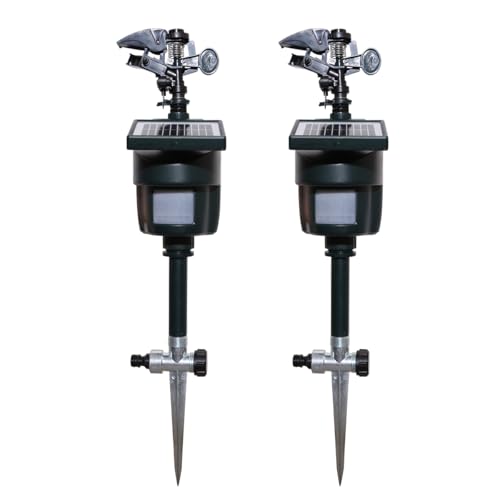
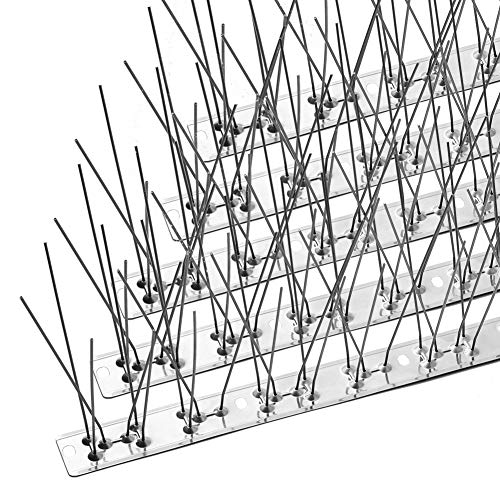
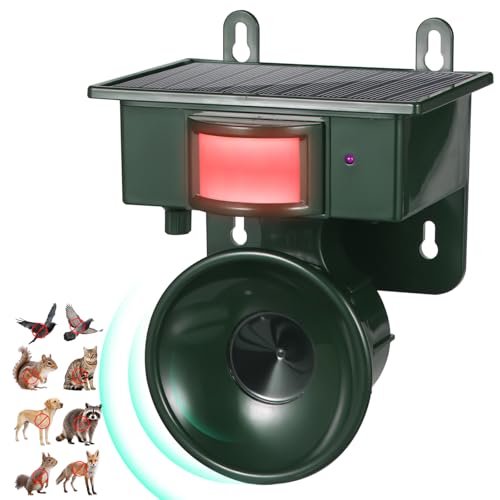
Combine multiple deterrents for best results: install a solar-powered motion-activated sprinkler to startle birds at the source, place stainless steel bird spikes on problem perches, and use an ultrasonic outdoor bird repeller to create ongoing noise-based deterrence. Regularly rotate devices and maintain clean surroundings to prevent adaptation.
What You’ll Need
- Solar-powered motion-activated bird deterrent sprinkler
- Stainless steel bird spikes for roof crow deterrent
- Ultrasonic outdoor bird repeller crow deterrent device
- Protective gloves
- Ladder or stable step stool
- Garage or shed hooks for device mounting
Before You Start
Assess the area to identify primary roosting spots, feeding sources, and access points. Plan to cover rooflines, eaves, gutters, decks, and garden beds where crows gather. Safety first: use proper ladder placement, wear protective gloves, and avoid wiring or electrical hazards when mounting devices. Time estimates vary; a typical setup may take 1–3 hours depending on yard size and device count.
Step-By-Step: How To Get Rid Of Crows
- Identify hotspots: mark perches and feeding zones where crows congregate most.
- Install the solar-powered motion-activated sprinkler at lawn edges or near gardens to create an unpredictable water deterrent when birds approach.
- Attach stainless steel bird spikes along roof edges, window sills, and decorative ledges to remove comfortable perching sites.
- Position the ultrasonic outdoor bird repeller device at a central location with a clear line of sight to typical roosting areas, following the manufacturer’s mounting guidelines.
- Set up a rotating deterrent schedule: alternate sprinkler activation, spikes, and ultrasonic sounds to prevent birds from habituating.
- Keep the yard clean: promptly remove food scraps, pet food, and standing water that attract crows.
- Inspect devices monthly: clear debris, check batteries or solar charging, and adjust angles or volumes as needed.
- Monitor crow activity and adjust placements if new roosts form or if crows adapt to a single deterrent.
Troubleshooting
| Symptom | Likely Cause | Fix | Prevention |
|---|---|---|---|
| No deterrent activation | Solar panel not charging | Clean panel, ensure direct sunlight, check wiring | Place panel where it gets consistent sun |
| Birds still perching near spikes | Spikes too short or loose | Re-tighten or replace with proper spikes | Install spikes along all nearby perches |
| Ultrasonic device inaudible to humans | Hardware fault or volume set too low | Test with manual mode, reset device | Keep devices dry and within recommended range |
| Sprinkler not triggering | Motion sensor blocked or dirty | Clean sensor, re-align direction | Regularly inspect for dust or debris |
| Birds return after a week | Deterrents not covering all roosts | Expand coverage or rotate devices | Synchronize deterrents across yard |
Common Mistakes
- Relying on a single deterrent for long periods
- Blocking access to food sources without securing the area
- Ignoring daily maintenance and sensor cleaning
Rotating devices and maintaining clean surroundings reduces crow adaptation and improves long-term results.
Tips For Best Results
- Combine multiple deterrents to cover different senses—motion, sound, and perching removal.
- Schedule deterrents to operate at peak crow activity times, typically early morning and late afternoon.
- Keep pets and children safe by positioning devices away from play areas.
- Regularly inspect mounting points after storms to ensure devices stay in place.
- Document crow activity to identify new problem spots quickly.
Call A Professional
Consider consulting a wildlife-control professional if crows persist after deploying deterrents, if large roosts form on roofs or chimneys, or if DIY installations involve difficult mounting on steep surfaces. Seek immediate help if there are signs of damage to building structures or electrical systems.
FAQ
Do these deterrents harm birds?
No. The goal is humane deterrence by making the area unattractive to roost. Follow manufacturer instructions for humane use.
Will crows adapt to deterrents over time?
Yes, which is why rotation and combining different deterrents are recommended.
How long does it take to see results?
Results vary, but consistent use over several weeks usually reduces crow activity.
Are there weather considerations?
Deterrents should be weather-rated and mounted securely; harsh weather may require more frequent maintenance.
Buying Guide
When choosing crow deterrents, consider size of the area, noise tolerance, energy use, ease of installation, and placement options. A multi-device approach often works best, pairing a solar-powered sprinkler with spikes and an ultrasonic repeller. Assess the roofline and yard layout to determine how many devices are needed and where to place them for maximum coverage. Look for weatherproof construction, simple mounting hardware, and clear setup instructions. Consider a kit that includes all three deterrents for a cohesive solution, and verify that replacements or spare parts are readily available. If renting or living in a shared space, confirm policy compliance and HOA guidelines before installing any devices. For best results, create a deterrence plan that you can adjust seasonally and as crow activity shifts.
Leave a Reply