How to Eliminate Creosote Odors From Your Home
Creosote odors can linger after fireplace use, especially in poorly ventilated spaces or homes with ongoing chimney activity. This guide provides practical, step-by-step methods to reduce smoky smells, improve indoor air quality, and establish safer chimney maintenance routines using common tools and products designed for creosote buildup.
The following instructions focus on safe containment, odor mitigation, and preventive measures that are suitable for most American households. The aim is to help homeowners address odor at its source and improve overall indoor air quality during colder months when fireplaces see more use.
Quick Answer
Target the odor source first: establish good ventilation, perform a basic chimney inspection, and use a creosote-specific cleaning tool to minimize buildup. If odors persist, consider a professional inspection to rule out chimney leaks or structural issues. A dedicated chimney cleaning kit with extension rods and a creosote remover attachment can streamline the process.
What You’ll Need
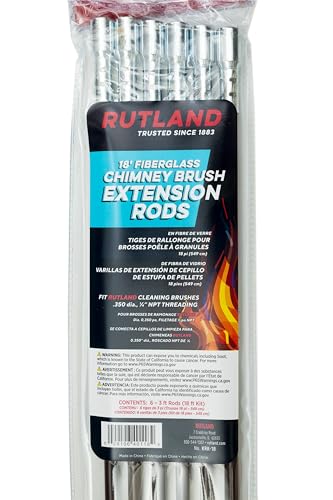
- Chimney cleaning brush kit with extension rods
- Chimney flue cleaning tool set
- Creosote remover chimney brush attachment
- Protective gloves, eye protection, and a dust mask
- Drop cloths or plastic sheeting to protect floors
- Ventilation aids (box fans or open windows)
- Flashlight or headlamp for thorough inspection


Before You Start
Before beginning, ensure the fireplace is completely cool and there is no active flame or embers. Wear protective gear to avoid skin and eye irritation from soot and cleaning chemicals. Move furniture and combustible items away from the fireplace area and seal off the room if possible to prevent soot spread. Plan for a multi-step cleaning session and allow time for drying after any chemical cleaners. Never mix cleaning chemicals with household cleaners and follow label directions carefully to avoid harmful fumes.
Step-By-Step: How To Eliminate Creosote Odors From Your Home
- Open exterior and interior windows to establish cross-ventilation and reduce indoor smoke buildup during cleaning.
- Inspect the chimney flue visually using a flashlight to identify obvious creosote buildup or blockages before using tools.
- Assemble the chimney cleaning kit with extension rods and attach the appropriate brush for the flue size.
- Insert the brush into the chimney from the fireplace opening and work it down the flue with steady, controlled motions to dislodge creosote.
- Withdraw the brush slowly, sweeping soot into a lined container. Repeat several passes to loosen stubborn deposits.
- Run a creosote remover chimney brush attachment if included with your kit, following the product’s timing and usage directions.
- Clean the surrounding area thoroughly—vacuum surfaces and wipe with a damp cloth to remove soot particles and odors.
- Dispose of collected debris safely and seal the container to prevent re-aerosolization of odor-causing particles.
- Reassess ventilation, then run a fan or open windows for several hours to help odors dissipate.
- If odors persist after cleaning, consider repeating the process or scheduling a professional chimney inspection for deeper creosote buildup or structural issues.
- Document findings and maintenance steps for future reference, including any recommended professional checks.
- Establish a regular cleaning schedule aligned with fireplace use to prevent recurrence of odors.
Troubleshooting
| Symptom | Likely Cause | Fix | Prevention |
|---|---|---|---|
| Smell persists after cleaning | Residual creosote or inadequate ventilation | Re-clean with brush kit and creosote remover; improve airflow | Ventilate during and after use; schedule periodic cleanings |
| Foul odor intensifies with use | Moist creosote or leaks into living space | Check for dampness; seal leaks; use proper damper operation | Monitor fireplace draft; seal any gaps |
| Soot spreads beyond the fireplace | Airflow carrying particles | Seal room off, use HEPA vacuum, and clean surrounding surfaces | Keep doors closed during cleaning sessions |
| Brush doesn’t reach top of flue | Flue height exceeds tool length | Attach extension rods or use a taller brush set | Plan tool length in advance for tall chimneys |
Common Mistakes
- Using only a small brush without extensions on a tall flue
- Ignoring ventilation and running cleaning with doors closed
- Relying on water-based cleaners that can spread soot rather than suspend it
- Neglecting to wear protective gear, increasing exposure to irritants
- Skipping a post-cleaning odor check and assuming the problem is solved
Tips For Best Results
- Choose a brush kit with extension rods and a flexible head to reach bends and the top of the flue.
- Use a creosote remover attachment when present, as it can help break down stubborn deposits.
- Clean in calm weather to minimize soot dispersal; if possible, perform during a dry day.
- Keep a dedicated cleanup kit for soot, preventing cross-contamination of household surfaces.
- Document maintenance dates and what tools were used for future reference.
Call A Professional
Seek professional help if the odor persists after cleaning, if you notice cracks, water intrusion around the chimney, or significant creosote buildup thicker than 1/4 inch. Stop using the fireplace until a qualified chimney sweep inspects the system. Do not attempt structural repairs yourself if you observe damaged bricks, cracked flue liners, or compromised dampers.
FAQ
How often should I clean creosote from my chimney?
Most homes benefit from a professional sweep annually, with a DIY cleaning every season of heavy use to prevent odor buildup.
Can creosote odors come from damp firewood?
Yes, burning damp wood produces more creosote and stronger odors. Use well-seasoned wood for cleaner combustion.
Will opening windows during cleaning affect the odor?
Yes, supplying fresh air helps remove odors faster and reduces indoor soot concentration.
Is a creosote remover safe for my family?
Follow product instructions closely, use protective gear, and avoid mixing cleaners with other chemicals.
What if I smell something unusual after a rainstorm?
It can indicate moisture intrusion; have the chimney inspected for leaks and dampness.
Can I still use my fireplace while cleaning?
Best practice is to avoid using the fireplace during cleaning and odor remediation until the system is verified clean.
Do all chimneys have the same cleaning requirements?
No, chimney design and flue size vary; choose tools sized for your specific flue and layout.
Buying Guide
When choosing chimney cleaning tools to reduce creosote odors, consider size, compatibility, and ease of use. A kit with extension rods helps reach tall or curved flues, while a dedicated creosote remover attachment can boost effectiveness. Look for durable bristles, corrosion-resistant fittings, and clear instructions. Noise during cleaning is a common concern in tight living spaces, so select tools with moderate vibration control. For households with quiet operation needs, consider models designed for low-noise performance. Energy efficiency is not a direct factor in cleaning tools, but using efficient products reduces cleaning time and effort. Controls should be intuitive, and tool storage should minimize space. Finally, confirm that the kit includes essential safety features like protective gloves, masks, and sturdy storage cases. A well-chosen set of tools supports safer maintenance and reduces odors over time, especially for homes that rely on wood-burning fireplaces during winter.
Leave a Reply