How to Get Rid of Coffee Breath: Quick and Lasting Tips
Coffee breath is a common concern for many Americans, especially daily coffee drinkers. This article provides practical, science-backed steps to freshen your mouth and maintain odor control throughout the day.
By combining daily hygiene routines with targeted products, you can reduce sulfur compounds, neutralize odors, and keep your breath feeling fresh long after your last sip.
Quick Answer
Start with a thorough mouth rinse or mouthwash that targets coffee breath and bacteria. Follow with brushing and tongue cleaning, and finish with hydration. For best results, integrate a dedicated tongue cleaner and a toothbrush that includes a tongue-cleaning feature.
What You’ll Need
- Stainless steel tongue scraper for daily oral hygiene
- Electric toothbrush with built-in tongue cleaner
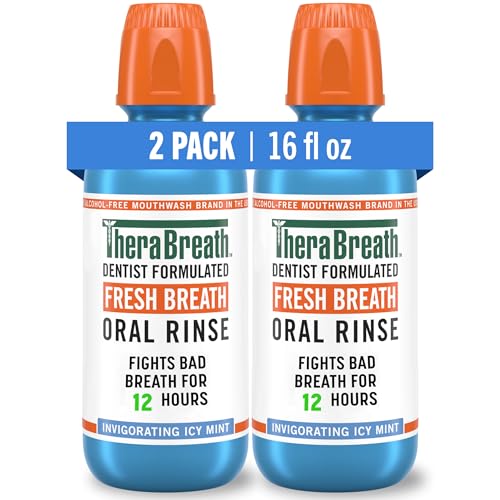
- Breath freshening mouthwash for coffee breath


Before You Start
Assess your routine and set realistic expectations: noticeable freshening may take a few days of consistent care. Plan a morning and evening routine that includes brushing, tongue cleaning, and rinsing. Be cautious with acidic drinks and smoking, which can worsen odors. If you have persistent bad breath despite consistent care, consider consulting a dental professional for an assessment of possible underlying issues such as dry mouth, gum disease, or tooth decay. Time estimates: brushing and tongue cleaning take about 3–5 minutes, with rinsing added.
Step-By-Step: How To Get Rid Of Coffee Breath
- Rinse your mouth with a breath-freshening mouthwash formulated to combat coffee odor and neutralize sulfur compounds.
- Brush your teeth thoroughly using a fluoride toothpaste, paying attention to all surfaces and the back of the tongue.
- Use a stainless steel tongue scraper to remove biofilm from the tongue’s surface, starting at the back and scraping forward.
- If your toothbrush has a built-in tongue cleaner, activate it and perform a light pass across the tongue while brushing.
- Drink water or a sugar-free beverage to stimulate saliva and help rinse away odor-causing compounds.
- Chew sugar-free gum or lozenges after meals if you cannot brush immediately; choose options with xylitol to support oral health.
- Limit coffee intake when possible or pair coffee with water and a post-drink rinse to reduce lingering aroma.
- Replace old toothbrushes regularly and ensure brushing lasts at least two minutes in total.
- Schedule a twice-yearly dental cleaning for professional odor control and assessment of oral health.
- Keep a travel kit with your tongue scraper and mouthwash for on-the-go freshness.
- Track patterns: note times when coffee breath is strongest and adjust routine accordingly.
Troubleshooting
| Symptom | Likely Cause | Fix | Prevention |
|---|---|---|---|
| Persistent morning breath | Dry mouth overnight | Hydrate upon waking; use a mouth rinse before breathing on others | Regular hydration, saliva-stimulating foods |
| Coffee breath returns after brushing | Tongue biofilm or insufficient brushing | Increase tongue cleaning frequency; use tongue scraper daily | Brush and scrape after coffee or switch to a mouthwash with long-lasting effects |
| Bad breath despite good hygiene | Underlying dental or medical issue | Consult a dentist for assessment | Maintain routine and monitor changes |
| Dry mouth during the day | Medications or dehydration | Increase water intake; discuss alternatives with a clinician | Carry water and avoid alcohol-heavy mouthwashes |
Common Mistakes
- Relying on mouthwash alone without brushing or tongue cleaning
- Cleaning the tongue too aggressively and causing irritation
- Waiting too long between meals, allowing odor-causing compounds to develop
- Using toothpaste or mouthwash that is not formulated for long-lasting freshness
Tips For Best Results
- Incorporate tongue cleaning into your daily routine, using both a stainless steel tongue scraper and a built-in tongue cleaner if available.
- Choose a breath freshening mouthwash formulated to neutralize coffee odors and reduce sulfur compounds.
- Brush for a full two minutes, covering all tooth surfaces and the tongue’s surface.
- Stay hydrated throughout the day to promote saliva production, which naturally cleanses the mouth.
- Pair coffee with water or mild dairy options to help balance odor compounds.
Call A Professional
Seek professional help if: persistent bad breath persists after a comprehensive at-home routine, you notice unusual symptoms (bleeding gums, sores, or persistent coating on the tongue), or you suspect a medical condition affecting breath. A dentist can perform a proper assessment and recommend tailored treatments.
FAQ
Can tongue scraping really reduce coffee breath?
Yes. Tongue scraping removes biofilm that houses odor-causing bacteria, which can significantly improve freshness after brushing.
Is a built-in tongue cleaner in an electric toothbrush effective?
Most people find that a combined approach with brushing and tongue cleaning improves results and saves time.
How long should I wait after drinking coffee to brush?
Waiting at least 15–20 minutes reduces enamel wear from acids, and brushing afterward helps manage odor more effectively.
Are there foods that help with coffee breath?
Fresh herbs like parsley or mint can provide temporary relief, while fibrous fruits and vegetables help mechanically clean teeth.
Is it normal to have occasional coffee breath?
Temporary breath changes after coffee are common; consistent daily hygiene reduces this issue over time.
Buying Guide
When selecting products to combat coffee breath, consider size, noise level, energy efficiency, controls, and placement in your routine. Here are factors to weigh:
- Brush type and mouthwash compatibility: Look for a model with a tongue-cleaning feature or compatible tongue scraper, and a mouthwash that targets coffee odors.
- Noise level: If you share a space, choose a quiet electric toothbrush with a comfortable brushing sound profile.
- Battery life and charging: Longer-lasting batteries reduce daily maintenance and ensure reliability when traveling.
- Portability: Compact tongue scrapers and travel-sized mouthwash help maintain freshness on the go.
- Ease of cleaning: Choose products with simple disassembly and dishwasher-safe parts for hygiene.
- Safety and materials: Stainless steel tongue scrapers offer durability and easy cleaning; ensure plastic parts are BPA-free.
- Replacement schedule: Replace toothbrush heads regularly and follow manufacturer guidance for tongue cleaners.
- System compatibility: Ensure your chosen products work well together—tongue scraper, electric toothbrush with tongue cleaner, and mouthwash.
Thinking about how to assemble a beginner-friendly routine? Start with a tongue scraper, add an electric toothbrush with tongue cleaner, and finish with a breath-freshening mouthwash. Would you like a quick, personalized routine based on your coffee habits and daily schedule?
Leave a Reply