How to Remove Cloudiness From Your Aquarium
Cloudy water in a home aquarium can be alarming, but most causes are manageable with a practical plan. This guide outlines simple, effective steps to clear the water while maintaining a healthy environment for fish and plants. By following a structured approach, hobbyists can diagnose the issue and restore clarity without unnecessary chemicals or frequent guesswork.
The focus is on practical methods that work for common cloudiness causes, including organic waste, bacterial blooms, and UV-related maintenance. The recommendations emphasize safe handling and gradual improvements to avoid stressing aquatic life.
Quick Answer
Identify the cause (bacterial bloom, debris, or chemical imbalance) and choose the simplest fix first. For many cases, perform a partial water change, use an aquarium water clarifier if needed, and verify filtration and lighting routines. If cloudiness persists, consider an inline UV sterilizer to reduce free-floating microbes, and maintain gravel cleaning with a siphon during water changes.
What You’ll Need
Gather the tools and products listed below to address common cloudiness causes. Start with the basics and add specialty items if the issue persists.
- Gravel siphon aquarium water change tool
- Aquarium water clarifier chemical treatment
- Inline UV sterilizer for aquarium
- Water testing kit (ammonia, nitrite, nitrate, pH)
- Replacement filter media (if applicable)
- Clean buckets and siphon-safe tubing
- Dechlorinator or water conditioner
 |
API ACCU-CLEAR Freshwater Aquarium Water Clarifier 8-Ounce Bottle | |
 |
Fluval in Line UVC Clarifier for Aquarium Filters | |
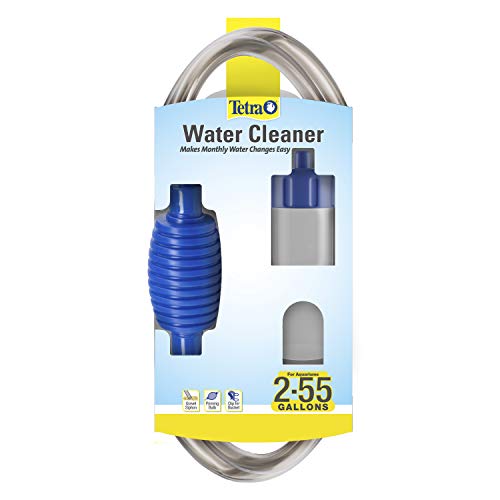 |
Tetra Water Cleaner Gravel Siphon for Aquariums, Easily Clean Freshwater Aquariums |
Before You Start
Preparation reduces risk for fish and plants. Test water parameters before any changes. Have a plan for gradual adjustments rather than large, abrupt shifts. Maintain stable temperatures and monitor fish behavior as you proceed. Avoid over-cleaning, which can remove beneficial bacteria and prolong cloudiness. Expect to perform multiple small steps rather than one big fix.
Time estimates vary: a routine maintenance session may take 30–60 minutes, while troubleshooting specific issues could extend to several hours across a few days. Safety notes include handling clarifiers and UV devices according to manufacturer instructions and ensuring electrical equipment stays dry and properly grounded.
Step-By-Step: How To Remove Cloudiness From Your Aquarium
- Turn off nonessential equipment briefly to reduce current and allow sediments to settle.
- Test water parameters to identify ammonia, nitrite, or nitrate spikes and pH shifts.
- Perform a partial water change (10–25%) using a gravel siphon aquarium water change tool to remove debris from the substrate.
- Vacuum the substrate in sections to prevent disturbing settled beneficial bacteria.
- Rinse or replace filter media if it is clogged or past its recommended lifespan.
- Recheck water parameters after the change and observe fish for stress signs.
- If cloudiness persists due to a bacterial bloom, consider a small, recommended dose of aquarium water clarifier chemical treatment following label directions.
- Install or inspect an inline UV sterilizer for aquarium if light exposure and microbial load warrant additional control.
- Resume filtration, maintain consistent temperature, and reintroduce animals gradually if they were moved.
- Schedule regular maintenance with weekly or biweekly water testing and substrate cleaning to prevent recurrence.
- Maintain a stable light cycle and avoid overfeeding, which can contribute to cloudy water from excess organic waste.
- Keep a log of changes to track what helps and adjust routines accordingly.
Troubleshooting
| Symptom | Likely Cause | Fix | Prevention |
|---|---|---|---|
| Cloudy water after a new setup | New tank syndrome; bacteria bloom | Patience; partial water changes; confirm cycling | Set up gradual, established tank routine |
| Milky, white haze | Over-filtration or overfeeding; fine particulates | Vacuum substrate; reduce feeding | Feed sparingly; clean debris regularly |
| Greenish tint or algae bloom | Excess light or nutrients | Reduce light duration; water change; check nitrates | Balanced lighting and nutrient control |
| Clear water but debris on substrate | Residual waste | Deep gravel cleaning with siphon | Regular substrate maintenance |
Common Mistakes
- Overusing chemical clarifiers, which can upset the biological balance.
- Skipping water testing in favor of quick fixes.
- Cleaning filters too aggressively and removing beneficial bacteria.
- Ignoring substrate cleaning, leading to debris buildup.
- Neglecting regular maintenance and inconsistent water changes.
Address cloudiness with measured steps rather than short, drastic changes. A balanced routine yields clearer water and healthier fish in the long run.
Tips For Best Results
- Perform small, consistent partial water changes rather than large, infrequent ones.
- Use a gravel siphon aquarium water change tool to remove waste without stressing fish.
- Keep an eye on filter upkeep; replace media as recommended by the manufacturer.
- Match replacement water temperature to tank water to minimize stress during changes.
- Maintain a regular routine for feeding, lighting, and testing to prevent future cloudiness.
Call A Professional
Contact a professional if cloudiness persists despite following the steps above, or if you notice rapid declines in fish health, persistent color changes, or unusual odors. Seek expert help when you suspect disease, chemical contamination, or equipment failure that you cannot safely diagnose or repair.
FAQ
What is the quickest way to clear cloudy water?
Perform a partial water change, vacuum the substrate, and verify filtration. If needed, apply a aquarium water clarifier chemical treatment according to label directions.
Can an inline UV sterilizer help with cloudiness?
Yes, an inline UV sterilizer can reduce free-floating microorganisms contributing to cloudiness, especially after a bloom or minor infection, when used as part of a balanced system.
How often should I test water parameters?
Test weekly during normal operation or after changes, and increase frequency if cloudiness returns or parameters shift.
Is over-cleaning the substrate harmful?
Yes, excessive substrate cleaning can remove beneficial bacteria; clean in sections and avoid disturbing all areas at once.
When should I replace filter media?
Replace media according to manufacturer guidelines or when it becomes clogged and loses efficacy.
Can cloudy water be caused by overfeeding?
Yes, excess food decomposes and increases nutrients, leading to cloudiness and algae growth.
What should I do if cloudiness returns after a few days?
Reassess feeding, lighting, and filtration routines, recheck water parameters, and consider a longer-term maintenance plan to stabilize the tank.
Buying Guide
Choosing the right tools and accessories helps maintain clear water and a healthy aquarium ecosystem. Consider these factors when shopping for gear and products:
- <bSize and capacity: Match the device or product to your tank’s volume to ensure effective operation without overloading the system.
- <bNoise level: Inline devices and filters should operate quietly, especially in living spaces or bedrooms.
- <bEnergy efficiency: Energy-efficient pumps and UV units reduce ongoing costs and heat load.
- <bControls and indicators: Look for clear indicators, timers, and user-friendly controls for safe operation.
- <bPlacement: Plan placement to avoid electrical hazards, ensure adequate ventilation, and minimize interference with tank decor.
When evaluating options, compare how each product addresses the primary causes of cloudiness: debris and particulates, bacterial blooms, and microbial load. Check compatibility with your filtration system and confirm maintenance requirements. For someone managing a busy household, a combination of regular substrate cleaning, targeted clarifiers, and optional inline UV sterilization can offer a balanced approach without over-reliance on chemicals.
Leave a Reply