How to Get Rid of Cigar Smell on Clothes
Strong cigar odors can cling to fabrics, making clothes uncomfortable to wear and difficult to refresh. This guide provides practical, step-by-step methods using common sense laundry practices and effective odor-control products to remove cigar smoke from clothing in American homes.
Quick Answer
Best first steps: air out items, pretreat with a cigar-specific odor remover spray, then wash with an enzyme laundry deodorizer. For persistent odors, add an activated carbon odor absorber for clothing in the rinse or storage phase to keep fabrics fresh longer.
What You’ll Need
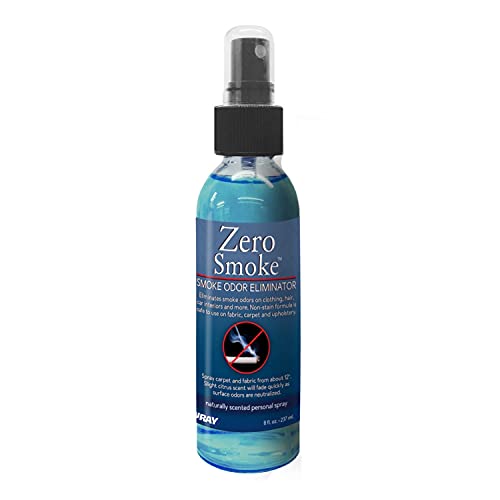
- cigar smoke odor remover spray for clothes fabric refresher
- activated carbon odor absorber for clothing
- enzyme laundry deodorizer for cigarette cigar smoke on clothes
- standard laundry detergent suitable for fabrics

Before You Start
Inspect delicate fabrics for care labels before treating odors. Spot test any product in an inconspicuous area to avoid discoloration. Prepare a well-ventilated area for spraying and washing; avoid mixing with chlorine bleach. Time estimates vary: pretreating and washing can take 1–2 hours, while longer odor-neutralizing cycles may require extra drying time. Critical cautions include not applying aggressive solvents directly to silk or wool and keeping products away from heat sources until fabrics are dry.
Step-By-Step: How To Remove Cigar Smell From Clothes
- Air out the garments by hanging them outside or in a breezy room for 15–30 minutes to vent initial odor.
- Gently brush off any surface ash or residue from the fabric with a clean clothes brush or lint roller.
- Apply cigar smoke odor remover spray for clothes fabric refresher to areas with the strongest odor, following the product’s instructions for spray distance and dwell time.
- Allow the spray to sit for the recommended time, which helps break down volatile compounds before washing.
- Run a wash cycle using enzyme laundry deodorizer for cigarette cigar smoke on clothes and your regular detergent. If the garment care label permits, wash in warm water to boost odor removal.
- For heavy odors, repeat the pretreatment and washing step once more, then proceed to an additional rinse cycle to remove any enzymatic residues.
- In addition to washing, place items in a dryer with a lint screen clean and use a low heat or air-dry setting. If tumbling is not advised, air-dry flat to prevent shrinking or distortion.
- To extend freshness between wears, use activated carbon odor absorber for clothing in storage areas or between wears, especially in damp closets.
- Store freshly laundered garments in a clean, odor-free space and avoid packing them tightly to reduce odor buildup.
- Reassess odor after drying; repeat steps if any cigar scent remains, focusing on targeted areas first.
- For stubborn odors, consider an additional wash with a specialized enzyme deodorizer and ensure complete drying before wearing.
Troubleshooting
| Symptom | Likely Cause | Fix | Prevention |
|---|---|---|---|
| Lingering odor after washing | Enzymes exhausted or insufficient dwell time | Re-treat with odor remover spray and extend wash/dwell time | Follow product directions and pretest fabrics |
| Discoloration on fabric | Overuse or incompatible chemical on delicate fibers | Spot test first; wash delicate items separately | Use milder cycles and diluted pretreatments |
| Odor remains only on lining or seams | Odor trapped in folds or liners | Spray seams, then air out and rewash | Treat garments inside-out when possible |
| Fabric stiffening after wash | Detergent buildup or residue from deodorizer | Extra rinse cycle; run through a second wash with reduced product | Measure product amounts carefully |
| Allergic or irritant reaction | Sensitivity to fragrances or enzymes | Switch to fragrance-free options or wash with plain detergent | Test small areas first and ventilate well |
Common Mistakes
- Using only air-drying without pretreatment on strong cigar odors
- Overloading the washing machine, which limits agitation and rinse effectiveness
- Relying on a single product; odors often need a combination approach
- Disregarding care labels, especially on delicate fabrics like silk or wool
Tips For Best Results
- Pre-treat odor-prone items immediately after exposure to cigar smoke to increase success.
- Combine natural ventilation with odor-fighting products for more effective results.
- Choose enzyme-based deodorizers for ongoing odor control after initial washing.
- Store clean clothes in a dry, ventilated closet and consider a small sachet or carbon-based absorber to maintain freshness.
- Test any product on a hidden area before broad application to protect fabric color and texture.
Call A Professional
If odors persist after multiple wash cycles or if garments are highly valued or delicate, consult a professional cleaner. Stop removing odors if fabrics show color change, texture damage, or shrinking. Seek professional care for leather or suede items, which require specialized treatments.
FAQ
Can I use regular air fresheners to remove cigar smell from clothes?
Non-fabric sprays may leave residues or worsen odors; use odor removers designed for fabrics and follow label directions.
Will washing alone remove cigar odors from all fabrics?
Most fabrics respond to washing with enzyme deodorizers, but some textiles may require additional odor-control steps or professional cleaning.
How often should I use activated carbon odor absorbers for clothing?
Use them in storage areas or closets to maintain freshness; replace carbon absorbers as recommended by the product guidelines.
Is it safe to use enzyme deodorizers on colored fabrics?
Yes, most enzyme deodorizers are color-safe, but always test first and follow care labels to avoid color wear.
Buying Guide
When choosing products to remove cigar smells from clothes, consider several factors to ensure effective results with minimal fabric impact. Start with powerful yet gentle options that pair well with normal laundry cycles.
Size and Capacity
Look for sprays and enzyme deodorizers available in sizes that fit your laundry routine. For households with frequent odor exposure, larger bottles reduce replacement frequency and provide cost efficiency over time.
Noise Level and Convenience
Choose products and devices that are easy to use and quiet during operation. Simple spray-on formulas and straightforward dosing reduce the effort required for regular odor control.
Energy Efficiency
Opt for washing products that work effectively in standard machine cycles without requiring extra hot washes. Energy-efficient practices include using appropriate water temperatures and shorter cycles when possible.
Controls and Usability
Prefer products with clear instructions, dermatologist-friendly fragrance options, and visible dwell times. Clear labeling helps ensure proper application without overuse.
Placement and Storage
Store odor-control products in a cool, dry place away from heat. Use in the laundry room or closet area where quick treatments can be applied after exposure. Consider keeping a dedicated spot for odor-removal supplies to streamline routines.
Leave a Reply