How to Get Rid of Chili Oil Stain
Chili oil stains can be stubborn on fabrics, clothing, and upholstery. This guide provides practical, step-by-step methods using common stain removers and household supplies to lift fresh and set stains, with safety tips to protect fibers and colors.
Whether dealing with a napkin spill in the kitchen, a sauce splatter on a shirt, or a chili oil mark on a sofa, the right approach speeds up removal and reduces the risk of permanent discoloration.
Quick Answer
Act fast: blot, pre-treat with an oil-targeted stain remover, then wash or scrub according to fabric type. For upholstery and carpets, use a dedicated stain remover kit with a brush, dampen with water, and blot until the stain fades. Repeat if necessary and air-dry away from heat.
What You’ll Need
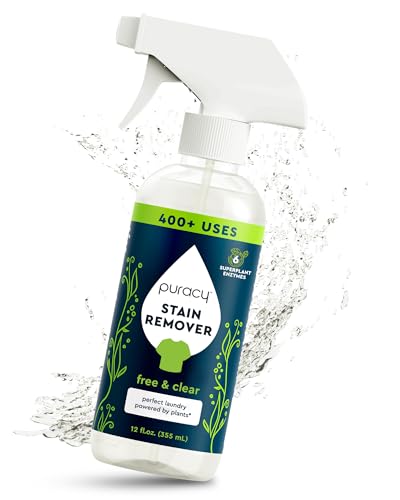
- Oil stain remover spray for fabrics and clothes
- Laundry stain remover pen brush kit for oil stains
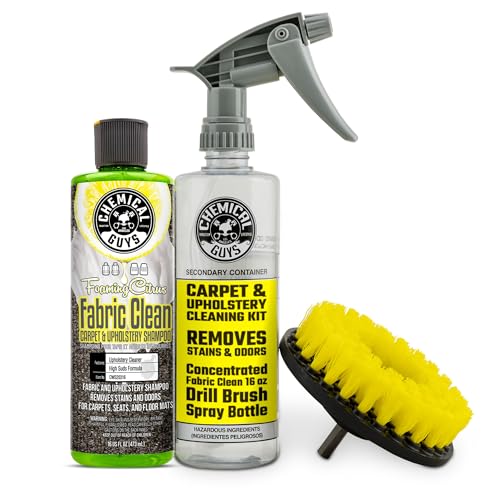
- Carpet and upholstery stain remover kit with scrub brush
- Clean white cloths or paper towels
- Cold water (for fresh stains) or warm water (for caked residues, if fabric allows)
- Optional: gentle detergent or mild soap

Before You Start
Identify the fabric type and check care labels before applying any product. Test a hidden corner for colorfastness if using a new stain remover. Protect surrounding surfaces with a towel or plastic sheet. Time estimates vary: quick response may take 10–20 minutes for spot treatment, while more stubborn stains may require repeated applications over several hours.
Cautions: Do not rub aggressively, which can push oil deeper. Avoid high heat until stain is fully removed, as heat can set chili oils. Work in a well-ventilated area when using chemical stain removers.
Step-By-Step: How To Remove Chili Oil Stain
- Blot excess chili oil with a clean cloth to remove surface oil without spreading it.
- For fabrics and clothes, apply an oil stain remover spray for fabrics and clothes directly to the stain and let it sit for 5–10 minutes.
- Gently dab with a clean cloth to lift oil particles; avoid rubbing in circles.
- If the stain remains, use a laundry stain remover pen brush kit for oil stains to target the area with soft bristles and an additional pretreatment layer.
- Rinse the treated area under cold water from the back of the stain to push the oil out toward the surface.
- Run a wash cycle as directed on the fabric care label, using the recommended amount of detergent and a warm wash if the fabric allows. For delicate fabrics, hand wash with mild soap.
- For upholstery or carpet, dampen the stain with water and apply the carpet and upholstery stain remover kit with scrub brush, using the brush to agitate lightly in a circular motion.
- Blot with a clean towel to remove lifted oil and rinse with a small amount of water; repeat if necessary.
- Allow the area to air-dry completely. If any trace remains after drying, repeat steps or consider a second treatment.
- Inspect the area once dry; heat from a dryer or iron, if applicable, could set any remaining stain.
- For persistent odors or stains, seek professional cleaning guidance or consider fabric-specific cleaners recommended by manufacturers.
Troubleshooting
| Symptom | Likely Cause | Fix | Prevention |
|---|---|---|---|
| Stain reappears after washing | Oil residue wasn’t fully removed | Repeat pretreatment with stain remover, pre-treat again, and wash | Treat promptly; pre-treat large spills |
| Color fading or dye bleed | Aggressive cleaners or heat exposure | Use milder products and air-dry; avoid hot water | Test colorfastness on hidden area |
| Stain on upholstery not lifting | Thicker oil concentrations | Use upholstery kit with scrub brush and repeat | Apply product gradually to prevent deep penetration |
| Streaks after drying | Uneven blotting or incomplete rinse | Lightly dampen and blot evenly; rinse with clean water | Work in small sections |
Common Mistakes To Avoid
- Rubbing the stain aggressively, which can spread oil and embed it into fibers
- Using hot water on fresh chili oil, which can set the stain
- Skipping a patch test on new cleaners, risking color loss or fabric damage
- Over-wetting fabrics, leading to longer drying times and potential mold growth
Tips For Best Results
- Act quickly: the sooner you treat, the higher the chance of complete removal.
- Use a two-step pretreatment: an oil-targeted spray followed by a brush-based pen kit for stubborn spots.
- Always follow care labels for fabrics; some materials require dry cleaning or specialized cleaners.
- For carpets and upholstery, work from the outside edges toward the center to prevent spreading.
- Keep a small stain-removal kit handy for quick responses to future spills.
Call A Professional
Stop signs to contact a pro include persistent stains after multiple treatments, delicate or antique fabrics with dyes that could fade, or large spills on wall-to-wall carpet. If stains persist or if odors linger after multiple attempts, a professional cleaning service may be the safest option to protect integrity and color.
FAQ
Can chili oil stains be removed from white fabrics?
Yes, but white fabrics may show more noticeable staining; use targeted stain removers and wash with oxygen-based whiteners if safe for the fabric.
Is it safe to use the oil stain remover spray on all fabrics?
Most sprays are suitable for common fabrics, but always test in an inconspicuous area first and follow label directions.
Should I use heat to speed up drying after stain removal?
Avoid heat until the stain is fully removed; heat can set remaining oil and make the stain harder to remove.
What if the stain is on colored upholstery?
Proceed with a mild cleaner and test a hidden spot. Use the upholstery-specific stain remover kit and avoid bleach-based products.
How many treatments are typically needed?
Often 1–2 treatments suffice, but set-in stains may require multiple applications over time.
Can chili oil stains be removed from carpets?
Yes, using a carpet and upholstery stain remover kit with a scrub brush as described, followed by thorough blotting and drying.
Is washing alone enough for fabric stains?
Washing helps when combined with a pre-treatment; however, oil stains often need a dedicated stain remover to lift embedded oils.
Buying Guide
When selecting stain-removal products for chili oil, consider size, effectiveness, and compatibility with fabrics and carpets. Ask yourself: How often will I need to treat spills? Do I have multiple surfaces to protect (clothes, furniture, carpets)? The following factors help compare options:
- Size and coverage: Choose products with enough volume for frequent use and travel-friendly options for on-the-go stains.
- Targeted action: Look for oil-specific cleaners that break down fats and oils effectively before washing.
- Fabric compatibility: Ensure compatibility with cotton, polyester, wool, silk, and delicate fabrics; avoid harsh solvents on sensitive materials.
- Ease of use: Preference for sprays, pens, and brush kits that fit your routine—especially for quick pre-treatments before laundry.
- Food-safe and low-odor: Mild formulas are preferable for kitchen spills and homes with sensitivity to strong scents.
- Energy and water impact: Efficient spot treatments reduce washing cycles and water usage when possible.
- Storage and safety: Store out of reach of children and pets; verify any flammability warnings on the label.
- Placement considerations: For larger areas, consider a dedicated stain removal station or kit that covers couches, chairs, and carpets.
By choosing a kit that combines an oil stain remover spray, a brush-based pen kit, and a carpet/upholstery scrub kit, consumers gain flexibility across fabrics and surfaces. The goal is to have a simple, repeatable process that yields clean results without harming fibers. Ready to build a small stain-fighting toolkit? Start with one kit that covers both clothes and upholstery for practical, localized stains.
Leave a Reply