How to Get Rid of Caterpillars on Tomato Plants Naturally
Caterpillars can quickly damage tomato plants, reducing yields and fruit quality. This guide explains natural and effective methods to manage caterpillars without harsh chemicals, helping home gardeners protect their tomatoes while staying eco-friendly and safe for families and beneficial insects.
Quick Answer
Choose an integrated approach that combines biological controls, physical barriers, and targeted sprays. Begin with a quick check for egg masses and check daily during peak caterpillar season. Use a natural spray such as Bacillus thuringiensis kurstaki organic caterpillar spray for tomatoes or spinosad organic caterpillar spray tomatoes as needed, and reinforce with insect netting row cover for tomato plants pest prevention to keep new caterpillars out.
What You’ll Need
The following tools and products help manage caterpillars on tomato plants using natural methods. The list prioritizes the provided product keywords and their closest equivalents.
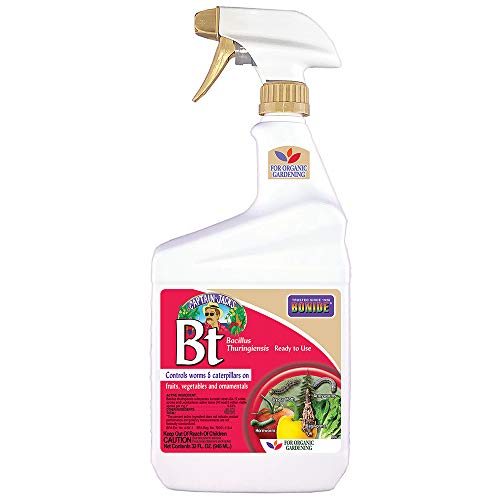
- Bacillus thuringiensis kurstaki organic caterpillar spray for tomatoes
- Spinosad organic caterpillar spray tomatoes
- Insect netting row cover for tomato plants pest prevention
- Basic garden gloves and a soft spray bottle or pump sprayer
- Scissors or garden shears for pruning damaged foliage


Before You Start
Assess the garden layout and current caterpillar activity. Inspect plants in the morning when caterpillars are most active and look for egg clusters on the undersides of leaves. Safety first: wear gloves, follow product labels, and avoid spraying during flowering if pollinators are present unless stated safe. Plan on applying treatments in calm weather to prevent drift. Time estimate: 30–60 minutes for initial setup, with weekly inspections during peak seasons.
Step-By-Step: How To Naturalize Caterpillar Control On Tomatoes
- Inspect tomato plants and identify common caterpillars such as tomato hornworms or cutworms. Note damaged leaves, holes, and frass (insect droppings).
- If you find egg masses, gently remove them by hand and drop them into soapy water to reduce hatching risk.
- Apply Bacillus thuringiensis kurstaki organic caterpillar spray for tomatoes directly to the foliage, focusing on the undersides of leaves where eggs hatch and caterpillars feed.
- Reapply per product instructions, typically after rain or every 7–10 days during active feeding. Wait for the spray to dry before assessing results.
- For broader coverage, consider insect netting row cover for tomato plants pest prevention to prevent moths and butterflies from laying eggs on new growth.
- Attach the row cover early in the season and remove only for pollination, ensuring there are no gaps for pests to slip through.
- If caterpillars persist, switch to spinosad organic caterpillar spray tomatoes following label directions for safe use and re-entry times for people and pets.
- Prune damaged stems and leaves to reduce hiding places and encourage new growth that is less attractive to pests.
- Encourage beneficial insects such as parasitic wasps by avoiding broad-spectrum products and leaving a small floral area nearby for them to thrive.
- Rotate treatments and monitor daily during the first several weeks of intervention to gauge effectiveness and adjust as needed.
- Maintain consistent soil moisture and healthy plant vigor, which helps plants resist pest damage and recover faster from feeding.
- Record observations and results in a garden journal to refine future seasons and minimize the need for sprays.
Troubleshooting
| Symptom | Likely Cause | Fix | Prevention |
|---|---|---|---|
| Leaves with irregular holes or trails | Caterpillars feeding | Apply targeted spray as per product instructions | Use row covers early; remove for pollination |
| Silk threads or slimy frass on leaves | Ongoing caterpillar activity | Spot-treat affected areas; prune heavily damaged growth | Maintain healthy plants; prune with care |
| No improvement after sprays | Eggs hatch after treatment or spray timing was off | Reapply after rain; switch products if needed | Combine with barriers and monitoring |
| Damage continues despite nets | Entrances through gaps in netting | Seal edges; ensure covers extend to ground | Install nets before eggs hatch |
Common Mistakes
Common errors include spraying when plants are stressed from heat, overusing broad-spectrum products that harm beneficial insects, and neglecting to check for eggs on new growth. Another pitfall is relying on a single method; a combined approach typically works best for natural control of caterpillars on tomatoes.
Tips For Best Results
- Time applications early in the day when foliage is dry and beneficials are active.
- Rotate between Bacillus thuringiensis kurstaki and spinosad to prevent pest resistance, following label directions.
- Keep row covers in place until fruit sets begin to minimize caterpillar pressure at the source.
- Monitor for signs of pollinator activity and plan spray days to minimize disruption.
- Combine physical barriers with selective sprays for a robust defense.
Call A Professional
Contact a professional if caterpillar activity is extensive, plants show severe wilting or dieback, or if there is uncertain identification of pest species. Also seek help if you notice signs of broader garden pest issues beyond caterpillars, or if you are managing large-scale tomato beds where safe, effective control is required.
FAQ
Are caterpillars on tomatoes dangerous to humans?
No, caterpillars themselves are not typically hazardous to humans, but handling plants with pests and using sprays requires caution and following product labels.
Can I use Bt and spinosad together?
It’s generally safe to alternate or rotate Bt and spinosad, but always follow label guidance for compatibility and re-entry intervals.
When should I install row covers?
Install row covers early in the season before eggs are laid to prevent initial infestation.
What other natural methods help besides sprays?
Regular hand-picking, encouraging beneficial insects, and maintaining healthy soil and plants also contribute to natural caterpillar control.
Buying Guide
Choosing the right approach involves several factors that influence effectiveness and convenience. Consider the following to optimize results for tomato gardens:
- Size and layout: Select row covers that fit your bed dimensions and allow easy access for maintenance.
- Noise level: Sprayers are generally quiet; handheld options vary in operation sound, but this rarely affects garden tasks.
- Energy efficiency: Manual sprayers or battery-powered units can reduce energy use compared to gas-powered equipment.
- Controls: Choose easy-to-use sprayers with adjustable nozzles for precise coverage on tomato foliage.
- Placement: Install row covers to protect early growth but ensure adequate airflow and pollination access when needed.
- Targeted products: Use Bacillus thuringiensis kurstaki organic caterpillar spray for tomatoes and spinosad organic spray tomatoes as part of an integrated plan.
- Maintenance: Clean sprayers after use and store products properly to maintain effectiveness and shelf life.
- Budget: Plan for a combination of barriers and selective sprays to maximize cost-effectiveness over a season.
With thoughtful selection and consistent monitoring, tomato gardeners can reduce caterpillar damage naturally while preserving beneficial insects and fruit quality. Would you like to tailor this plan to your garden size or climate zone?
Leave a Reply