How to Get Rid of Cat Pee Smell on Furniture
Cat urine can leave stubborn odors that cling to fabric and furniture. A careful combination of enzymatic cleaners, odor-removing sprays, and appropriate cleaning tools can restore freshness. This guide outlines practical steps for American homes to remove the smell effectively while protecting upholstery.
Quick Answer
Act quickly by blotting up urine, treating with an enzymatic cleaner, then applying a pet odor remover enzyme spray for furniture upholstery. If odors persist, use a steam cleaner for pet urine on furniture upholstery to lift lingering residues, followed by air drying. Repeat as needed for stubborn spots.
What You’ll Need
The following tools and products cover common scenarios for cleaning cat urine from furniture upholstery. Gather these before you begin to streamline the process.
- Cat urine enzymatic cleaner upholstery spray
- Pet odor remover enzyme spray for furniture upholstery
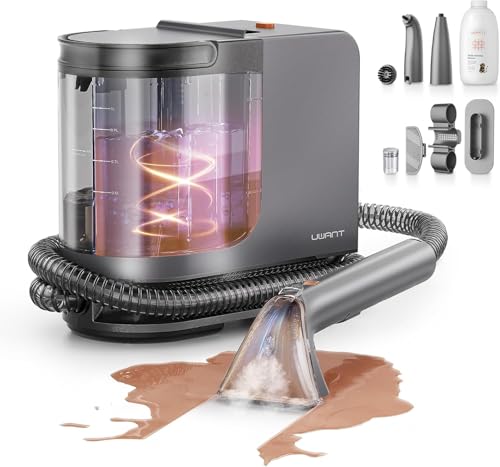
- Steam cleaner for pet urine on furniture upholstery
- Clean white cloths or paper towels
- Spray bottle
- Gloves
- Fan or open window for ventilation

Before You Start
Practical tips and cautions before diving in help prevent material damage and lingering odors. Test a hidden area of the fabric first for colorfastness and finish compatibility. Work in a well-ventilated space to avoid inhaling cleaning fumes. Time your cleanup with a plan: initial blotting (10–15 minutes), cleaning (20–30 minutes), and drying (several hours). For older stains, expect multiple treatments.
Step-By-Step: How To Remove Cat Urine Odor From Furniture Upholstery
- Blot the area immediately with a clean cloth to absorb as much liquid as possible without rubbing, which can push urine deeper into fibers.
- Apply enzymatic cleaner: spray the area until damp but not soaking. Enzymatic cleaners break down urine proteins and neutralize odors. Allow the product to sit for the recommended time on the label.
- Blot again to remove excess liquid after the enzyme has worked. Use fresh cloths to avoid transferring odor.
- Treat remaining odor with an enzyme spray designed for furniture upholstery. This reinforces odor neutralization and targets any lingering molecules.
- Rinse and dry if the cleaner’s instructions call for it. Lightly dab with a clean, damp cloth to remove residue, then blot dry with towels.
- Use a steam cleaner for stubborn spots: if odors persist, operate a steam cleaner for pet urine on furniture upholstery to lift embedded residues. Use a low-moisture setting and avoid over-wetting the fabric.
- Dry thoroughly with air circulation. Use a fan or a dehumidifier and keep the area well ventilated until the fabric is completely dry.
- Repeat as needed for hard-to-remove odors, particularly on cushions or seams that may harbor moisture.
- Inspect and re-treat after 24–48 hours if any scent remains. Odors often require more than one pass for complete elimination.
- Prevent future incidents: consider protecting fabrics with upholstery covers or treating with a fabric-safe pet deterrent spray after cleaning.
- Document the stain and the products used for future reference if a professional consultation is needed.
Troubleshooting
| Symptom | Likely Cause | Fix | Prevention |
|---|---|---|---|
| Persistent odor after cleaning | Urine may be seeping into cushion cores | Repeat enzymatic treatment and consider steam cleaning deeper | Address at the first sign; use a protective cover |
| Dull or discolored fabric | Over-wetting or harsh cleaners | Rinse and blot; allow full drying; test cleaners first | Spot-test cleaners; use minimal moisture |
| Stiff fabric after cleaning | Mineral or soap buildup | Lightly wipe with a damp cloth to remove residue | Rinse with clean water when required |
| New odor appears after a few days | Remaining odor molecules in seams | Reapply deodorizing enzyme spray | Treat areas near seams and cushions |
Common Mistakes
- Using ammonia-based cleaners or bleach on pet-contaminated fabric
- Rubbing urine deep into the fibers, which drives odor deeper
- Using too much moisture, causing mold or mildew risk
- Skipping a deodorizing step, relying on a single wash
Correct technique and the right products reduce repeat odors and extend the life of upholstery.
Tips For Best Results
- Act quickly: quick blotting and treatment halts odor from penetrating deeper.
- Use enzymatic cleaners specifically formulated for cat urine to ensure effective breakdown of proteins.
- Ventilate the area well during and after cleaning to speed up drying and reduce residual smells.
- Test any product on a hidden fabric area to avoid color changes.
- Consider a protective fabric spray after cleaning to decrease future absorption.
Call A Professional
Seek professional help if odors persist after multiple cleanings, if the urine has soaked into deep cushions, or if the furniture is valuable or delicate. Stop using home methods when you notice fabric damage, persistent staining, or mold growth. A pro can assess cushion cores, recommend industrial-grade cleaners, and safely restore upholstery.
FAQ
What is the best product to neutralize cat urine odor on upholstery?
Enzymatic cleaners designed for cat urine effectively break down urine proteins and neutralize odors on fabrics.
Can I use a steam cleaner on all upholstery?
Steam can help with embedded residues but test first and avoid overheating delicate fabrics or over-wetting cushions.
How long does it take for upholstery to dry after cleaning?
Drying typically takes several hours to a full day, depending on fabric type and ventilation.
Should I replace cushions if the smell won’t come out?
If odor remains after multiple treatments and the cushion cores are affected, replacement may be the most effective solution.
Is it safe to use household cleaners for pet urine on furniture?
Household cleaners not formulated for pet urine can leave residues or react with fabrics; use enzymatic cleaners and odor removers intended for upholstery.
Do odor-removing sprays work on all fabrics?
Most work on a variety of fabrics, but always follow the product’s fabric compatibility guidelines and test first.
How can I prevent future accidents on furniture?
Use protective covers, provide easy access to litter boxes, and consider pet-training sprays to deter marking.
Buying Guide
When choosing products to tackle cat urine and odors on furniture, consider size of the area, fabric type, and the severity of the odor. Key factors include size, noise level, energy efficiency, controls, and placement. For upholstery cleaning, start with a small spray area to test compatibility. Choose an enzymatic cleaner that targets proteins in urine, and pair it with a dedicated pet odor remover enzyme spray for furniture upholstery for maximum neutralization. If you regularly clean pet spaces, a compact steam cleaner for pet urine on furniture upholstery can be a valuable tool. Consider whether you need portable options for multiple rooms or a larger unit for larger furniture sets, and ensure the product options are compatible with your fabric types and cleaning routines.
Leave a Reply