Get Rid of Cat Litter Smell in Your Apartment
Living with cats can be rewarding, but litter box odor can quickly affect comfort and air quality in an apartment. This guide provides practical steps using readily available products to neutralize smells, refresh the room, and maintain a fresher living space for both pets and people.
The approach blends routine cleaning with targeted odor control products to address both the source and the surrounding air. Read on for a simple, repeatable system that fits typical apartment layouts and schedules.
Quick Answer
Immediate steps: scoop litter daily, rinse the box weekly, ventilate the area, and use odor-control products such as a pet odor air purifier with carbon filter for cat litter and enzymatic litter box odor remover spray for cats. For ongoing odor suppression, consider litter box deodorizer pellets activated carbon and place them near the box.
What You’ll Need
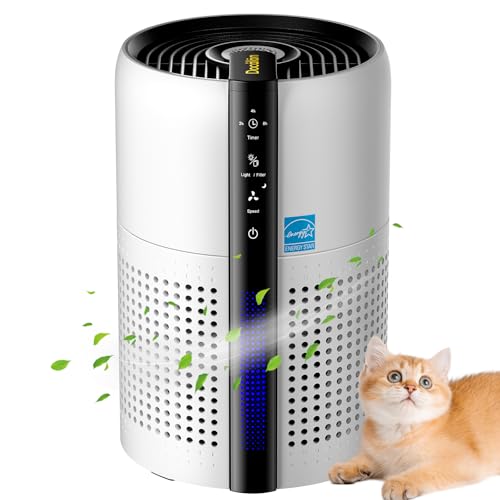
- Pet odor air purifier with carbon filter for cat litter
- Enzymatic litter box odor remover spray for cats
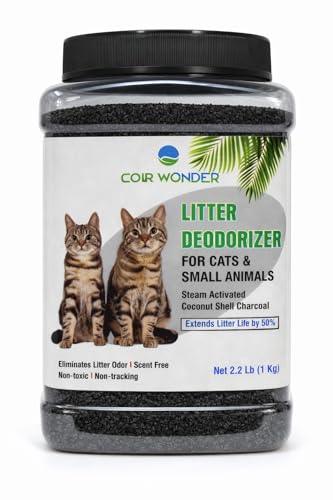
- Litter box deodorizer pellets activated carbon

Before You Start
Preparation matters. Empty and rinse the litter box fully before refilling with fresh litter. Choose an area with good cross-ventilation, ideally near a window or exhaust fan. Keep pet-safe cleaning supplies on hand, and store sprays away from reach of children and pets until dry. Time estimate: cleaning routine can take 15–30 minutes per session, with more intensive deep cleans every 1–2 weeks depending on litter usage and apartment size.
Step-By-Step: How To Get Rid Of Cat Litter Smell In An Apartment
- Schedule a daily scoop: remove solids and clumps from the litter box at the same time each day to prevent buildup.
- Replace litter regularly: partially or fully replace litter to maintain freshness; consider higher-quality litter that clumps well and reduces odor.
- Clean the box thoroughly: rinse with warm, mild soap and water; dry completely before adding fresh litter.
- Apply enzymatic spray after cleaning: spray the litter box interior and surrounding area to break down odor-causing compounds at the molecular level.
- Set up a carbon-based deodorizer: place litter box deodorizer pellets activated carbon near the box as a passive odor absorber while not in contact with the litter.
- Use a carbon-filter purifier: run a pet odor air purifier with carbon filter for cat litter in the room to continuously cleanse the air.
- Ventilate daily: open a window or run an exhaust fan for 10–20 minutes after cleaning to reduce lingering smells.
- Establish a cleaning rhythm: implement a weekly deep clean that includes scrubbing surfaces around the box and vacuuming nearby floors to remove tracked litter and dust.
- Train and adjust: observe how your cat reacts to changes in litter type or box placement; slight adjustments can improve both odor control and litter acceptance.
- Monitor for leaks or spills: address any urine spills promptly with enzymatic cleaners to prevent long-term odors.
- Maintain accessories: check carbon filters and pellets for signs of saturation and replace as recommended by manufacturers.
- Document routine: keep a simple checklist to ensure consistency across days and weeks.
Troubleshooting
| Symptom | Likely Cause | Fix | Prevention |
|---|---|---|---|
| Persistent odor after cleaning | Inadequate ventilation or lingering urine odor | Increase ventilation time; re-clean the box with enzymatic cleaner | Keep air circulating and clean regularly |
| Litter smells outside the box | Spilled litter or surface contamination | Wipe and deodorize surrounding surfaces; vacuum area | Place mat under the box; educate household about spills |
| Purifier seems ineffective | Filter saturation or incorrect placement | Replace carbon filter; relocate purifier closer to the box | Schedule regular filter changes per manufacturer |
| Cat refuses box | Box placement, litter type, or odor triggers | Try a different litter or box style; relocate box to quieter area | Monitor cat behavior and adjust gradually |
Common Mistakes To Avoid
- Relying solely on air purifiers without regular cleaning
- Using scented products that irritate pets or mask odors rather than neutralize them
- Choosing the wrong litter type for your cat’s preferences, leading to increased scooping and odor
Tips For Best Results
- Combine multiple odor-control methods for best results: filtering air, enzymatic cleaning, and carbon-based deodorizers work together effectively.
- Keep litter boxes and feeding areas separate from sleeping spaces when possible to reduce odor transfer.
- Consider the layout: placing the litter box away from high-traffic zones can reduce odor fluctuations in the apartment.
- Regular maintenance matters more than rare deep cleans; set a predictable routine to stay on top of odors.
Call A Professional
Seek professional help if persistent odors refuse to fade after standard cleaning and odor-control measures. Stop signs include: odors that intensify despite cleaning, signs of mold or mildew around the litter area, or ongoing respiratory irritation for residents or pets. A veterinarian or indoor air specialist can assess air quality and recommend tailored interventions.
FAQ
How often should I clean the litter box to control smells?
Daily scooping plus a thorough weekly wash typically keeps odors at bay, with more frequent maintenance if you have multiple cats or high-odor litter.
Can an air purifier alone solve litter odor?
Air purifiers help, but they work best when combined with regular cleaning and odor-neutralizing products.
Are enzymatic sprays safe for cats?
Yes, when used as directed; apply away from the litter area and allow surfaces to dry before your cat enters the space.
Where should I place odor-control pellets?
Near the litter box but not inside the litter, to absorb ambient odors without contaminating the litter mix.
Is scented litter safe for cats?
Some cats dislike strong scents; consider unscented litter and rely on odor-control products that neutralize odors rather than mask them.
How can I tell if my litter box is causing the odor?
Inspect the area for urine spots, damp litter, and surface contamination; odor often concentrates where the box sits and on nearby floors.
Buying Guide
Key buying factors help ensure you choose effective solutions for cat litter odor in an apartment. Consider size, noise level, energy efficiency, controls, and placement when selecting products and coordinating multiple odor controls.
- Size and capacity: Ensure litter boxes and purifiers fit your apartment floor plan and handle your cat’s needs without crowding living spaces.
- Noise level: Quiet operation matters in compact apartments; look for low-noise purifiers and silent spray applications.
- Energy efficiency: Opt for energy-efficient purifiers and timers that conserve electricity while maintaining air quality.
- Controls and ease of use: Favor simple on/off controls, intuitive spray mechanisms, and easy filter replacements.
- Placement considerations: Plan for near-box air flow, ventilation access, and safe pet access to maintain odor control without disrupting daily routines.
When comparing options, evaluate how each product addresses both the source (litter box) and the room air. A combined approach—enzymatic cleaners, activated-carbon deodorizers, and a dedicated carbon-filter purifier—often yields the best balance of odor control and user convenience. If you share your apartment layout and cat habits, you can tailor a targeted plan that minimizes fragrance while keeping your home comfortable.
Leave a Reply