How to Get Rid of Cat Hair in the Air
Cat hair in the air can trigger allergies and reduce air quality. This guide outlines practical, step-by-step methods using common household tools to minimize airborne fur. It focuses on feasible solutions for American homes and is suitable for pet owners seeking noticeable improvements in indoor air.
Quick Answer
Use a combination of a high-efficiency air purifier designed for pet hair, targeted vacuuming with a HEPA filter, and regular lint rolling to capture fur that circulates in the air. Pair these methods with routine cleaning and air circulation to reduce airborne cat hair over time.
What You’ll Need
- HEPA air purifier for pet hair and dander large room
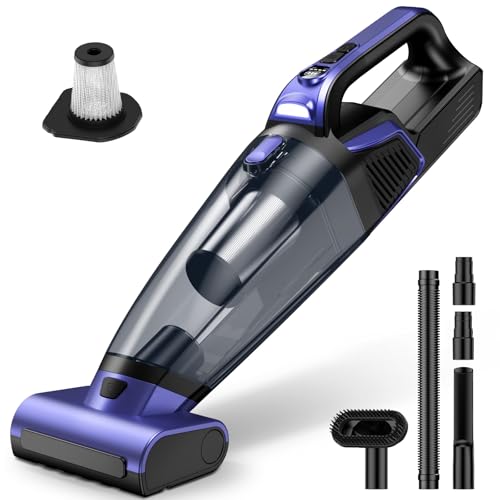
- pet hair vacuum with HEPA filter and motorized brush for cat fur
- lint roller for cat hair with extra sticky sheets and refills


Before You Start
Clear the room of clutter to allow air to circulate and to make cleaning easier. Plan for a cleaning window of 30–60 minutes per session, depending on room size. Wear a mask if you have allergies or sensitive lungs and keep doors closed to prevent fur from moving between rooms during cleaning. Test vacuum settings on a small area before full use.
Step-By-Step: How To Reduce Cat Hair In The Air
- Place a HEPA air purifier for pet hair and dander large room in the main living area where you spend the most time. Run it on a high or medium setting continuously for best results.
- Run the pet hair vacuum with HEPA filter and motorized brush for cat fur to remove fur from furniture, carpets, and upholstery. Vacuum slowly to lift hair rather than just surface-cleaning.
- Vacuum under beds, couches, and behind curtains where fur tends to accumulate. Use attachments designed for corners and crevices to capture hidden hair.
- Wipe surfaces with a microfiber cloth after vacuuming. Microfiber attracts hair without leaving fibers behind, helping reduce re‑circulation.
- Use the lint roller for cat hair with extra sticky sheets and refills on fabric surfaces, clothing, and in cars where fur clings. Keep a roll handy for quick touch-ups.
- Change or clean the air purifier filters per manufacturer guidelines. A clogged filter reduces efficiency and can release particles back into the room.
- Open windows when outdoor air quality is good to improve ventilation and dilute indoor fur particles.
- Schedule routine cleaning days focused on furry surfaces (e.g., weekly), then recheck air quality after a few days of consistent cleaning.
Troubleshooting
| Symptom | Likely Cause | Fix | Prevention |
|---|---|---|---|
| Air still feels dusty after cleaning | Insufficient filtration or hidden fur | Increase purifier runtime and run vacuum on upholstery and carpets | Vacuum high‑traffic areas weekly |
| Purifier not turning on | Power or filter issue | Check power, replace filters, restart | Keep spare filters and power cords accessible |
| Hair returns to surfaces quickly | Fur shed cycle or inadequate coverage | Increase cleaning frequency and use lint roller on fabrics | Brush your cat regularly to reduce shedding |
| Allergen symptoms persist | Ventilation or large hair volumes | Improve airflow and run purifier continuously | Seal gaps and use dehumidifier if needed |
Common Mistakes
- Relying on one tool only; combining a purifier with vacuuming yields better results
- Using a non‑HEPA vacuum that re‑circulates fine particles
- Neglecting fabrics like curtains and cushions that trap hair
- Forgetting to replace or clean filters regularly
Tips For Best Results
- Run the HEPA air purifier continuously in the primary living area for consistent air cleaning.
- Schedule weekly deep cleaning focusing on all soft furnishings and textiles.
- Consider air purifier placement away from walls to maximize airflow and effectiveness.
- Brush or groom your cat regularly to reduce shedding and fur in the air at the source.
- Use washable fabrics and pillow covers to minimize ongoing shedding on cushions.
Call A Professional
Consult a professional if you notice persistent mold, unusual odors, or if you suspect a hidden air leak that could be circulating fur and other particulates. If the HVAC system shows signs of contamination or mechanical issues, contact a licensed technician.
FAQ
Does an air purifier alone remove all cat hair from the air?
Air purifiers help reduce airborne fur and dander but work best when used with regular vacuuming and fabric maintenance.
How often should I replace HEPA filters?
Follow manufacturer guidance, typically every 6–12 months with normal use.
Can I use a lint roller every day?
Yes, for quick touch-ups on fabric surfaces, but avoid overusing on delicate fabrics to prevent wear.
Will grooming my cat help reduce airborne hair?
Regular grooming can significantly lower shedding and hair in the air, especially during peak shedding seasons.
Buying Guide
Choosing the right tools to reduce cat hair in the air involves evaluating several factors. Consider the room size and the presence of multiple shedding pets when selecting an air purifier. Look for models with true HEPA filtration and activated carbon to address both hair and odors. Noise level matters in bedrooms and living spaces, so check decibel ratings and consider a purifier with a sleep mode.
Energy efficiency matters for devices that run continuously; compare wattage and energy Star ratings where available. Controls should be straightforward, with intuitive speed settings and filter indicators. Placement is key: position purifiers away from walls and in central areas of high activity. For vacuuming, choose a model with a robust HEPA filter and a motorized brush that can lift hair from carpet fibers. A lint roller remains a quick method for spot-cleaning fabric surfaces and cars.
When comparing products, think about a balanced kit: a high-capacity HEPA purifier for the main room, a versatile pet hair vacuum for furniture and carpets, and a lint roller for on-the-go touchups. This combination often yields the best overall reduction in airborne cat hair and improves daily comfort for households with pets.
Leave a Reply