How to Get Rid of Cat Hair in Laundry
Cat hair can cling to fabrics even after washing, making garments feel less clean and requiring extra tumble cycles. This guide walks through practical, science-backed methods to reduce fur in laundry, using common household items and a few targeted tools. The goal is to help American households keep clothes looking fresh without costly equipment or repeated washings.
By following a simple routine and selecting the right tools, households with cats can minimize lint and pet hair transfer between loads, saving time and preserving fabric integrity.
Quick Answer
Best first steps: remove loose hair before washing using a silicone pet hair remover glove, then run a wash cycle with a microfiber lint roller to grab remaining fibers. Tumble with dryer balls designed for pet hair removal to prevent hair from reattaching.
What You’ll Need
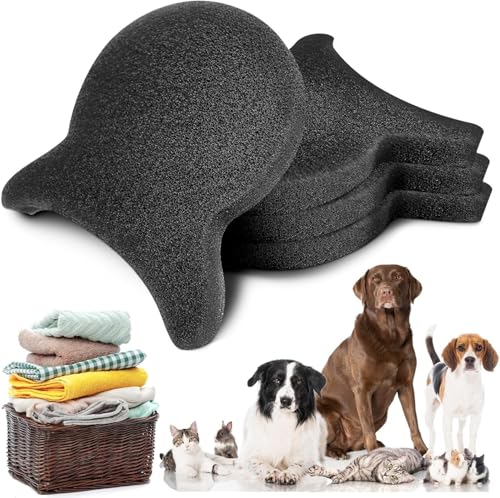
- silicone pet hair remover glove laundry
- microfiber lint roller pet hair remover clothes washing
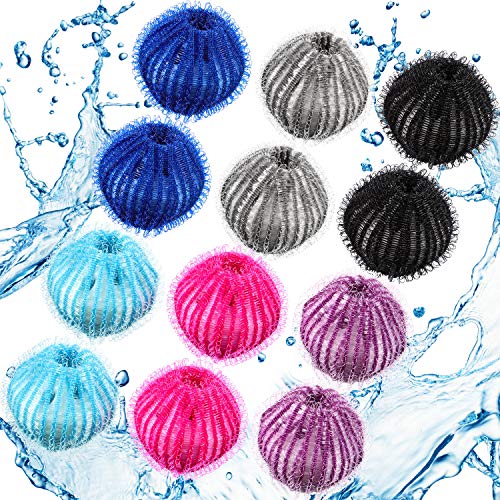
- dryer balls for pet hair removal laundry

Before You Start
Prepare a dedicated laundry routine to catch hair efficiently. Test fabrics first on a small swatch to ensure no coating or fibers react adversely. Remove as much hair as possible from garments before loading the machine, especially items with long fibers. Plan for an extra rinse cycle if hair remains after the initial wash. Time estimates vary by load size, typically 45–75 minutes for a full wash and dry cycle.
Safety notes: keep cleaning tools away from children and pets during use, and avoid using harsh chemicals that could damage sensitive fabrics. Ensure lint filters are clean before every dryer run to maximize hair removal efficiency.
Step-By-Step: How To Get Rid Of Cat Hair In Laundry
- Before washing, gently brush and collect fur using the silicone pet hair remover glove laundry to lift hair from fabric surfaces.
- Place clothing items with hair build-up into the washing machine. Run a brief cold rinse cycle to loosen fur, then add detergent as usual.
- Use a microfiber lint roller pet hair remover clothes washing on visible hair after the first rinse to capture stray fibers from surfaces and seams.
- Proceed with a full wash cycle. If possible, choose a cycle with an extra rinse to flush out remaining hair.
- When the wash finishes, transfer garments to the dryer with dryer balls for pet hair removal laundry to mechanically lift hair from fabrics.
- Set the dryer to a medium heat and short dry cycle to prevent fabric wear while still helping pet hair release.
- Mid-cycle, pause briefly to check strands of hair on items; use the silicone glove again on stubborn patches if needed.
- Let clothes cool slightly, then finish with a cool-down period to minimize static that can attract more fur.
- For items that retain hair, repeat the lint-rolling step after drying or run a secondary wash with the lint-roller in hand between loads.
- Store drying tools and lint rollers within easy reach to streamline future laundry sessions.
- Consider a monthly routine to refresh lint filters, dryer balls, and gloves to maintain maximum effectiveness.
Troubleshooting
| Symptom | Likely Cause | Fix | Prevention |
|---|---|---|---|
| Hair remains on clothes after wash | Insufficient pre-removal of fur | Use silicone glove before laundry and re-run with extra rinse | Regular pre-wipe before washing |
| Hair clings to dryer | Lint filter clogged | Clean lint screen before each dry cycle | Use dryer balls to reduce static and hair adhesion |
| Static attracts more hair | Drying on high heat or over-drying | Switch to medium heat and shorter cycles | Keep clothes slightly damp before drying if needed |
| Hair transfers between loads | Filtration insufficient | Run an extra rinse and pre-clean lint tools | Frequent lint-roller use between cycles |
Common Mistakes
- Skipping pre-cleaning steps and relying only on the wash cycle
- Overloading the washer or dryer, reducing effective lint removal
- Using high-heat drying on fabrics prone to static, increasing fur adhesion
- Forgetting to clean lint filters after every cycle
Tips For Best Results
- Keep a dedicated silicone pet hair remover glove near the laundry area for quick fur removal on fabrics.
- Use a microfiber lint roller on outer surfaces of clothes before loading to minimize hair transfer.
- Choose dryer balls with wool or felt fibers for better hair agitation and shorter drying times.
- Separate pet-related fabrics from other loads when possible to reduce cross-contamination.
- Maintain a regular habit of cleaning lint filters, pet hair removal tools, and surfaces that contact clothes.
Call A Professional
If fabrics show persistent hair retention despite multiple cycles and tools, consider consulting a professional cleaner or a garment-care specialist. Stop using home remedies that damage fabrics or strip finishes. Seek expert advice if you notice fabric pilling, loss of color, or unusual odors persisting after cleaning.
FAQ
Can I use fabric softener to reduce static and hair cling?
Fabric softener can reduce static, which helps hair adhere less to fabrics, but it may reduce absorption and cause other fabric issues on certain blends. Use sparingly and test on delicate items.
Do dryer sheets help with pet hair?
Dryer sheets can reduce static and hair cling but may leave residues on some fabrics. Use dryer balls with pet hair-specific cycles as an alternative.
Is it better to wash pet hair with hot or cold water?
Cold water is generally gentler on fabrics and can be effective at removing hair when combined with pre-removal steps and extra rinses.
How often should I replace the lint roller and gloves?
Inspect for wear after every few uses. Replace when sticky surfaces lose adhesion or fabric contact becomes ineffective to ensure optimum performance.
Are there fabrics that shouldn’t be treated with these tools?
Delicate or specialty fabrics may require hand washing or professional cleaning to avoid damage. Always test on a hidden area first.
Can I use these methods for other pet hairs, like dogs?
Yes. The same steps work for most pet hairs, though some heavy-coated textiles may require additional passes or different rollers.
Buying Guide
Choosing the right tools to fight cat hair in laundry involves balancing effectiveness, ease of use, and fabric compatibility. Consider the following factors to match your household needs:
- Size and scope: For small apartments, compact silicone gloves and a travel-size lint roller may suffice. For households with multiple pets, larger lint rollers and washable gloves deliver more efficiency.
- Noise and energy: Drying with dryer balls can reduce drying times and static without relying on high heat or loud devices. Consider energy-efficient cycles in your washer and dryer.
- Controls: Simple, intuitive tools are more likely to be used consistently. Look for tools with easy grip handles and reusable components.
- Placement: Store tools near the laundry area or inside a linen closet to encourage regular use and reduce hair transfer in future washes.
- Durability and care: Choose tools that withstand frequent washing and handling. Reusable silicone gloves and high-quality microfiber fabrics save money over time.
- Fabric compatibility: Some delicate fabrics require gentler handling. Check care labels and test tools on a hidden area before broader use.
- Multi-use potential: Tools that work across different textiles—from cotton shirts to synthetics—offer better value for families with varied wardrobes.
In practice, a combination of a silicone pet hair remover glove laundry, a microfiber lint roller, and dryer balls provides a well-rounded approach. Using these together minimizes hair transfer, reduces the need for rewashes, and protects fabric integrity while keeping laundry routines simple and practical for American households.
Leave a Reply