How to Get Rid of Cat Dander on Furniture
Cat dander can cling to fabric and upholstery, triggering allergies and making living spaces feel less fresh. This guide walks through practical, step-by-step methods to minimize dander from furniture, using commonly available tools and a smart cleaning routine.
By following the steps and selecting the right gear, homeowners can maintain cleaner furniture surfaces and improve overall air quality in rooms where pets spend time.
Quick Answer
Use a combination of a HEPA air purifier for pet dander living room furniture, regular vacuuming with a vacuum with pet hair attachment for upholstery furniture, and a lint roller for furniture pet hair remover extra sticky to trap and remove dander from fabrics. Complement with surface wipes or a microfibre cloth and a routine cleaning schedule for best results.
What You’ll Need
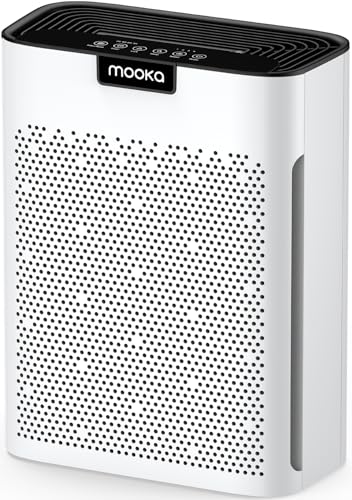
- HEPA air purifier for pet dander living room furniture or a similar purifier with a true HEPA filter
- Vacuum with pet hair attachment for upholstery furniture to lift hair and dander from cushions
- Lint roller for furniture pet hair remover extra sticky for quick spot pickup
- Microfiber cloths or disposable dusters
- Allergen-safe upholstery cleaner or mild detergent
- A sealed trash bag and disposal container
- Optional: clinical-grade humidifier or air purifier for whole-room air quality


Before You Start
Clear the area around furniture to ensure easy access to all surfaces. Protect floors and nearby items from splashes if using cleaners. Test cleaners on inconspicuous areas to prevent discoloration. Allow pets to be in another room during deep cleaning. Expect multiple passes over several days for best results, especially in high-traffic living spaces.
Estimate cleaning time: 60–90 minutes for a thorough initial cleanup, plus 15–30 minutes for routine maintenance sessions each week.
Step-By-Step: How To Remove Cat Dander From Furniture
- Begin by placing a HEPA air purifier in the room to start reducing airborne dander while you work.
- Vacuum all upholstered surfaces with the vacuum with pet hair attachment for upholstery furniture, focusing on seams, cushions, and under edges.
- After vacuuming, run a lint roller for furniture pet hair remover extra sticky over each piece of fabric to pick up remaining dander and hair.
- Wipe hard, non-porous surfaces (tabletops, legs, armrests) with a damp microfiber cloth or an allergen-safe cleaner to remove settled particles.
- Spot-clean stains with a mild, upholstery-safe cleaner. Apply sparingly and blot—avoid saturating fabrics to prevent mold growth and odor.
- Shake cushions outdoors if possible to dislodge loose particles, then return them to their covers and positions.
- Repeat vacuuming and lint rolling on a routine every few days to maintain lower dander levels in the room.
- Consider placing a washable throw cover on frequently used furniture to reduce ongoing dander buildup.
- For overall air quality, run the HEPA purifier continuously during the day and keep doors/windows balanced to minimize irritant circulation.
- Schedule deeper cleaning weekly, with attention to pet sleeping areas and near where the cats spend most of their time.
- Empty trash and launder removable covers promptly to prevent re-dispersal of settled dander.
- Reassess room cleanliness after 2–4 weeks and adjust cleaning frequency based on pet activity and seasonal shedding patterns.
Troubleshooting
| Symptom | Likely Cause | Fix | Prevention |
|---|---|---|---|
| Persistent musty odor after cleaning | Residual moisture or mold risk | Ensure fabrics dry completely; rewash covers if needed | Ventilate room; avoid over-wetting fabrics |
| Allergen levels seem unchanged | Insufficient purifier capacity or high shedding | Increase purifier runtime; add extra air exchanges | Regular maintenance cleaning schedule |
| Lint roller quick declines in stickiness | Roller sheets saturated with debris | Replace or refill lint roller frequently | Use roller in multiple directions to lift fibers |
| Fabric colors fading after cleaners | Harsh cleaners on delicate fabrics | Switch to upholstery-safe products | Spot test on inconspicuous area first |
Common Mistakes
- Using excessive moisture on fabric directions can lead to mold and damage
- Relying on a single tool; multi-step cleaning yields better dander removal
- Neglecting routine maintenance; dander returns quickly in busy homes
- Forgetting to clean or replace air purifier filters regularly
Tips For Best Results
- Run the HEPA purifier continuously in rooms with pets to reduce airborne dander before it settles on furniture.
- Vacuum at least twice a week on high-traffic furniture and weekly on less-used pieces.
- Wash removable cushion covers in hot water when possible to remove dander embedded in fabrics.
- Keep pet sleeping areas away from main seating to minimize dander transfer.
- Use a light, allergen-safe fabric spray only if the fabric label allows it; test first.
Call A Professional
If allergic symptoms persist despite cleaning, consider consulting an allergist or indoor air quality specialist. Signs that require professional help include persistent coughing, wheezing, or skin reactions in sensitive individuals, or if you notice broad mold-like odors that do not dissipate with cleaning.
FAQ
How often should I clean my furniture to control cat dander?
Clean high-traffic furniture at least twice a week with vacuuming and lint rolling, and perform a deeper clean monthly.
Can I use normal vacuum attachments on upholstery?
Yes, but use a vacuum with a pet hair attachment designed for upholstery when possible for better dander removal.
Is a HEPA air purifier essential for dander control?
While not mandatory, a true HEPA purifier significantly reduces airborne dander and allergens in the room.
Are there fabrics more prone to holding dander?
Synthetic blends and plush fabrics tend to trap more dander; consider covers or more frequent cleaning for these surfaces.
Will washing furniture covers remove all dander?
Washing covers helps a lot, especially at high temperatures; air-dry thoroughly to prevent moisture buildup.
Can pet hair rollers damage furniture?
Use gentle pressure and avoid rough back-and-forth motions on delicate fabrics to minimize wear.
Should I allergen-proof my furniture?
Yes—covers or throws that are washable can reduce dander buildup between cleanings.
Buying Guide
When selecting tools and devices to control cat dander on furniture, consider these factors:
- <bSize and coverage: Choose HEPA purifiers and vacuums with suitable room size ratings and attachment options for upholstery.
- <bNoise level: Consider quieter units for bedrooms or living rooms to avoid disruption.
- <bEnergy efficiency: Look for ENERGY STAR-rated purifiers and efficient vacuums to reduce running costs.
- <bControls and convenience: Simple controls, auto modes, and easy filter replacements help maintain routine cleaning.
- <bPlacement: Position purifiers to maximize air exchange near seating areas; avoid blocking vents or outlets.
- <bMaintenance: Factor in filter life, availability, and cost to ensure ongoing effectiveness.
- <bMulti-surface performance: Tools designed for both fabrics and hard surfaces improve overall cleanliness.
- <bPet-friendly considerations: Choose products with pet-safe materials and surfaces that resist odor buildup.
Leave a Reply