How to Get Rid of Cat Dander in a New House
Moving into a new home can be exciting, but cat dander may linger from previous residents or lingering pet activity. This guide offers practical, actionable steps to reduce dander, improve air quality, and create a healthier living space for everyone in the household.
Cat dander is tiny and can stay suspended in air or cling to fabrics and surfaces. With a careful routine that combines cleaning, filtration, and proper ventilation, homeowners can minimize irritation and allergy symptoms while maintaining a comfortable environment.
Quick Answer
Start with a high-quality air purifier and a sealed HEPA vacuum to remove suspended particles, replace a MERV 13 furnace filter to capture airborne irritants, and perform regular cleaning on soft surfaces. Schedule weekly deep cleans and monthly filter changes for steady relief.
What You’ll Need
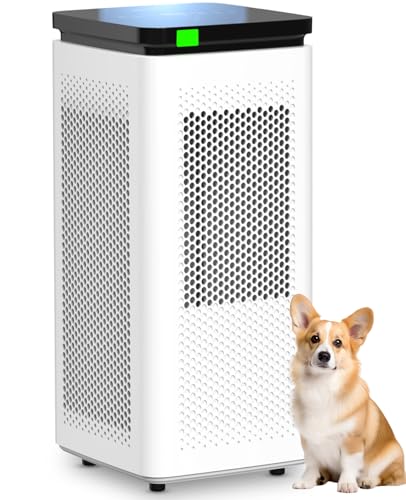
- True HEPA air purifier for cat dander large room
- HEPA vacuum cleaner sealed system for pet hair and dander
- MERV 13 furnace filter for pet dander and allergies


Before You Start
Before beginning, identify high-traffic zones where dander accumulates, such as living rooms, bedrooms, and hallways. Clear clutter from floors to maximize cleaning efficiency. Safety note: unplug electrical devices when needed and follow manufacturer instructions for each appliance. Expect a multi-day cycle for noticeable improvements, with ongoing maintenance to keep dander low.
Surface prep matters. Wash or dry-clean drapes and remove heavy textiles if possible during the initial cleanup. Plan to spend about 2–4 hours for a thorough initial pass, then 1–2 hours for weekly upkeep, depending on home size and occupancy.
Step-By-Step: How To Get Rid Of Cat Dander In A New House
- Place the True HEPA air purifier for cat dander large room in the main living area and run it at a high setting for several hours, then maintain a lower, continuous mode.
- Run the HEPA vacuum cleaner sealed system for pet hair and dander on furniture, cushions, blinds, and carpets. Use a furniture attachment and already vacuumed surfaces multiple times to lift embedded particles.
- Replace or insert a fresh MERV 13 furnace filter for pet dander and allergies before or during the heating season to improve whole-home filtration.
- Wash washable fabrics like curtains, throw blankets, and pillow covers. If possible, use hot water cycles and a fragrance-free detergent to avoid re-emitting irritants.
- Dust hard surfaces with a damp microfiber cloth to trap dander rather than scattering it. Work from top to bottom to prevent re-contamination of cleaned areas.
- Clean floors with a damp mop in addition to vacuuming to remove fine particles on hard surfaces. Pay attention to corners, baseboards, and under furniture.
- Ventilate rooms by opening windows when weather allows, pairing natural ventilation with filtration to reduce particle concentration.
- Establish a maintenance routine: vacuum weekly, replace the furnace filter monthly or per manufacturer guidance, and run the air purifier daily for consistent performance.
- Seal shared pet areas like pet beds and favorite resting spots with removable covers that can be laundered regularly to limit dander accumulation.
- Monitor symptoms in occupants and adjust cleaning intensity or purifier settings as needed to maximize comfort and air quality.
Troubleshooting
| Symptom | Likely Cause | Fix | Prevention |
|---|---|---|---|
| Persistent dust on surfaces after cleaning | Re-contamination from textiles or missed spots | Re-clean with damp cloths and vacuum hard-to-reach areas | Maintain weekly cleaning and use washable fabrics |
| Allergy symptoms spike after cleaning | Airborne particles released during cleaning | Run air purifier before and after cleaning; wear a mask if sensitive | Clean and ventilate gradually to avoid bursts of dander |
| purifier noise is disruptive | High-speed mode or low-quality unit | Switch to a lower setting or choose a model with better filtration at lower noise | Place unit away from sleeping areas and use timer features |
| No noticeable improvement after weeks | Insufficient filtration or hidden dander sources | Reassess purifier placement; consider additional units; check filter replacements | Comprehensive cleaning of soft surfaces and HVAC system inspection |
Common Mistakes
- Overlooking soft surfaces like couches and curtains as dander sources
- Infrequent filter changes or using non-HEPA alternatives exclusively
- Ignoring HVAC maintenance and not sealing intake vents for dust control
- Using strong fragrances or cleaners that can irritate sensitive individuals
Tips For Best Results
- Schedule regular cleaning cycles and track when dander levels drop to gauge effectiveness
- Keep pet areas well-ventilated and limit pet access to bedrooms during peak allergy seasons
- Combine mechanical filtration with routine cleaning for optimal dander reduction
- Choose a larger-capacity air purifier if the home has multiple large rooms or open-plan spaces
Call A Professional
If symptoms persist despite thorough cleaning and filtration, consider consulting an HVAC technician or an indoor air quality specialist. Stop signs include ongoing wheezing, nasal congestion, or eye irritation that interferes with daily life, especially after cleaning routines. A professional can assess ductwork, identify hidden sources, and recommend system-wide improvements.
FAQ
What causes cat dander to linger in a new house?
Residual fibers, fabrics, and settled dust can carry dander; new homes may also trap outdoor pollutants that irritate sensitive individuals.
How often should I replace a HEPA filter in an air purifier?
Follow the manufacturer’s guidance, typically every 6–12 months for home use, more often in high-pet households.
Can I clean my HVAC system to reduce dander?
Yes, have ducts professionally cleaned if needed and replace furnace filters with a MERV 13 model to improve whole-home filtration.
Are air purifiers effective for pet dander?
Yes, especially models with true HEPA filtration that are sized for the room. Pair with regular vacuuming for best results.
Should I wash pet beds and toys?
Yes, wash pet items in hot water and use protective, washable covers to minimize dander exposure.
Is it okay to open windows while using filtration?
Yes, when weather allows, to improve ventilation; combine with filtration to balance outdoor allergens.
Buying Guide
Choosing the right equipment for cat dander management depends on several factors. Consider room size, noise tolerance, energy use, and control options when selecting filtration devices. For large rooms or open-concept layouts, pairing a True HEPA air purifier for cat dander large room with a sealed-system vacuum helps keep suspended particles low. A MERV 13 furnace filter for pet dander and allergies enhances whole-house filtration, especially during high-pollen or pet-shedding periods.
Think about placement: place purifiers away from walls or corners to maximize airflow and consider a second unit for adjoining spaces. When evaluating vacuums, choose models with sealed systems to prevent particle escape and ensure attachments can reach upholstery and stairs. For homeowners with multiple floors, consider filters that support whole-home HVAC filtration without compromising airflow. Finally, keep maintenance simple with clear schedules for filter changes and vacuum bag replacements to sustain low dander levels over time.
Leave a Reply