How to Get Rid of Carpet Shedding
Carpet shedding is a common concern in homes with new or heavily used carpets. Proper maintenance can reduce loose fibers and keep floors looking neat. This guide outlines practical methods and tools suited for American households to lessen shedding and improve carpet appearance over time.
Readers will find a straightforward plan that combines product-enhanced cleaning steps with preventative practices to minimize future shedding while preserving carpet fibers.
Quick Answer
Use a combination of a carpet rake for pet hair removal and a handheld vacuum with pet hair removal attachment for surface fibers, followed by periodic use of a lint roller for carpet fibers to capture loose fuzz before it settles.
What You’ll Need
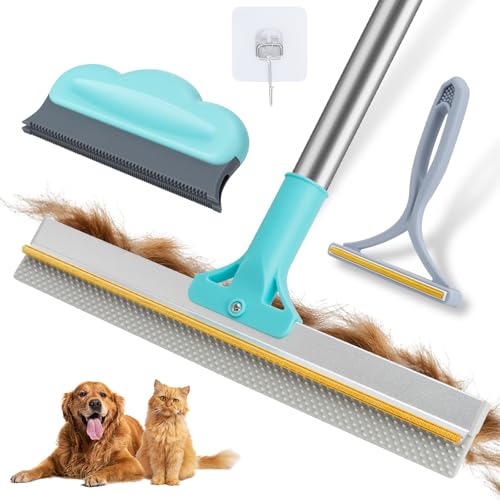
- Carpet rake for pet hair removal
- Handheld vacuum with pet hair removal attachment
- Lint roller for carpet fibers
- Texture-safe cleaning tools and a quality vacuum with strong suction


Before You Start
Plan a regular cleaning schedule based on traffic areas and pet presence. Check for loose fibers or seams that may contribute to shedding and address them promptly. Clear the room of small items to avoid snagging during cleaning. Time estimates vary by room size: small rooms 20–40 minutes, larger areas 60–90 minutes per session.
Safety notes: unplug electrical devices before use, follow manufacturer instructions for all tools, and keep cords away from walkways. If anyone in the home has allergies, consider using a vacuum with sealed filtration and bagged disposal to manage dust safely.
Step-By-Step: How To Reduce Carpet Shedding
- Begin with a thorough vacuum to remove surface dust and fuzz. Use a handheld vacuum with pet hair removal attachment for corners and edges where shedding accumulates.
- Work in sections, moving slowly to lift loose fibers without grinding them back into the carpet.
- After the initial pass, use a carpet rake for pet hair removal to lift fibers and encourage loose fibers to stand up for easier pickup.
- Roll slowly with a lint roller for carpet fibers along high-traffic paths to remove remaining loose fuzz and pet hair clusters.
- Re-vacuum the area with the handheld vacuum to catch fibers dislodged during combing and lint rolling.
- For persistent shedding spots, perform a light, even brushing with a soft-bristle floor brush or a specially designed carpet rake, then vacuum again.
- Use a high-quality vacuum with strong suction and a suitable filter to prevent re-depositing fibers into the air.
- Schedule routine cleanings every 1–2 weeks in active areas, and adjust frequency based on pet activity and household traffic.
- Introduce a brief maintenance routine for new carpets: within the first month, clean weekly to reduce initial shedding waves.
- Address spills promptly to prevent fiber damage that can increase shedding; blot, rinse if appropriate, and dry completely before cleaning again.
- Consider a protective entry mat at thresholds to reduce dirt and debris tracked onto carpet fibers.
- After deep cleanings, re-check for any lingering fuzz and repeat steps as needed until shedding slows noticeably.
Troubleshooting
| Symptom | Likely Cause | Fix | Prevention |
|---|---|---|---|
| Excessive fuzz after cleaning | Recent vacuum with low suction | Check filter and bag, clean brush roller | Regular maintenance schedule |
| Fuzz returns quickly after cleaning | High traffic or pet activity | Increase cleaning frequency, use carpet rake | Place entry mats, restrict pet movement in bedrooms |
| Fibers snagging on furniture | Loose fiber ends | Repair seams or consider professional re-stretching | Move furniture periodically |
| Allergic reactions during cleaning | Dust exposure | Use sealed vacuum with HEPA filter | Ventilate room while cleaning |
Common Mistakes
- Using overly aggressive brushes that can fray fibers and worsen shedding
- Over-wetting the carpet, which can lead to mold and fiber damage
- Neglecting edges and corners where loose fibers accumulate
- Rushing cleaning sessions in high-traffic areas
Taking time to vacuum methodically, focusing on edges and transitions between carpet and hard floors, helps minimize shedding over time.
Tips For Best Results
- Pair tools: use a carpet rake for pet hair removal in tandem with a handheld vacuum for optimal fiber lift.
- Choose high-quality tools with appropriate attachments designed for pet hair to improve efficiency.
- Maintain filtration by cleaning or replacing vacuum filters regularly.
- Test cleaning tools on a small inconspicuous area first to prevent color or texture damage.
- Keep humidity levels balanced; extremely dry air can make fibers shed more easily.
Call A Professional
Stop signs for professional help include persistent shedding after months of diligent cleaning, noticeable carpet wear or bald spots, seams that separate, or visible fiber damage. If a professional inspection is advisable, seek a carpet care specialist or a licensed cleaner with experience in pet hair and fiber maintenance.
FAQ
Will a carpet rake help with all carpet types?
Yes, but effectiveness varies by carpet construction. For dense piles, use gentler strokes to avoid matting.
How often should I vacuum for shedding reduction?
In high-traffic or pet-friendly homes, aim for 2–3 sessions per week, with deeper weekly cleanings.
Can a lint roller damage carpet fibers?
Generally safe for surface use, but avoid aggressive rolling on delicate or loop pile carpets.
Are there products that reduce shedding on new carpets?
Early and regular maintenance, plus proper cleaning tools, typically reduces shedding before it becomes persistent.
Buying Guide
When selecting tools to combat carpet shedding, consider size, noise, energy efficiency, controls, and placement. For example, a handheld vacuum with pet hair removal attachment is ideal for quick spot-cleaning and edges, while a carpet rake excels at lifting embedded fibers. Look for a model with strong suction, a sealed filtration system, and accessible attachments for pet hair removal. If you share living spaces with pets, a compact, quiet unit that’s easy to maneuver around furniture will improve consistency. For homes with stairs or multi-room layouts, choose a vacuum with ergonomic handles and a long cord or cordless design for flexibility. Lastly, a reliable lint roller for carpet fibers serves as a quick, non-electric option for capturing stray fuzz before it settles. By evaluating these factors against room size, pet presence, and cleaning preferences, readers can select the right combination of tools to minimize shedding and maintain a neat, inviting home environment.
Leave a Reply