How to Reduce Carbon Dioxide in the Home
High levels of carbon dioxide (CO2) indoors can lead to stuffiness, headaches, and reduced cognitive function. The following practical steps help mitigate CO2 buildup in everyday living spaces, from small apartments to larger homes. By combining monitoring, ventilation, and targeted equipment, occupants can maintain a healthier indoor air quality level.
Quick Answer
Track CO2 levels with a digital monitor to know when ventilation is needed. Increase fresh air exchange using controlled ventilation like an exhaust fan or a heat recovery ventilator (HRV). Maintain continuous airflow during occupied hours and implement automatic controls for steady air quality.
What You’ll Need
The following tools and devices are recommended to effectively reduce indoor CO2:
- CO2 monitor NDIR digital display 0-5000 ppm wall-mount sensor to gauge indoor CO2 levels
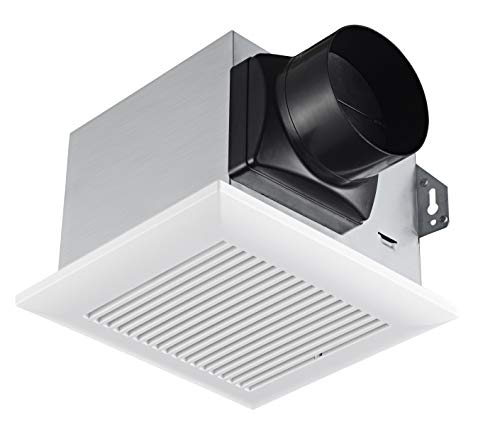
- 8-inch automatic window exhaust fan with humidity sensor for home ventilation to expel stale air when needed
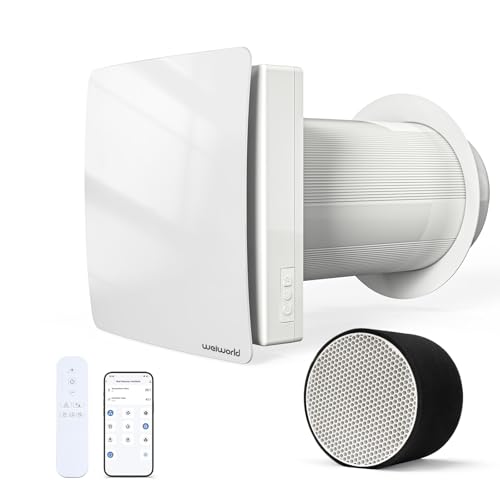
- Residential heat recovery ventilator HRV 60 CFM with high-efficiency heat exchange for continuous, energy-efficient ventilation
- Safety gear as needed (gloves, eye protection)
- Tools for mounting and wiring, per product manuals

Before You Start
Before making changes to your home’s ventilation, ensure electrical safety and adherence to local codes. Check that wall or window openings are unobstructed and that exhaust fans have secure venting to the outside. Plan for a mix of natural and mechanical ventilation if windows are not easily operable year-round. Time estimates vary by home size and system choices, but expect setup and testing to take a few hours in typical spaces.
Step-By-Step: How To Reduce Carbon Dioxide In The Home
- Install and calibrate a CO2 monitor at a central living area or near high-occupancy rooms. Ensure it reads accurately by following manufacturer calibration steps and placing it away from direct air sources like vents.
- Assess current ventilation needs by observing occupancy patterns. Kitchens, living rooms, and bedrooms with many occupants or sealed windows often require more fresh air exchange.
- Position the window exhaust fan for optimal airflow near a window or exterior wall. Install the 8-inch automatic window exhaust fan with humidity sensor so it can vent stale air automatically when CO2 rises or humidity increases.
- Activate or install an HRV for continuous ventilation The residential HRV 60 CFM model provides steady air exchange while reclaiming heat, reducing energy costs compared to constant exhaust alone.
- Integrate control logic Connect CO2 readings to your exhaust fan and HRV if supported. Set threshold values (for example around 700–1,000 ppm) that trigger automatic ventilation to maintain comfortable air quality.
- Test the system under typical conditions Have family members occupy spaces as usual and monitor CO2 readings. Observe how quickly levels return to baseline after occupants leave.
- Seal and balance rooms to prevent backdrafts Ensure that exhaust outlets do not create smog-like backpressure in other parts of the home. Seal leaks around doors and windows that may bypass the intended ventilation path.
- Schedule seasonal adjustments In extreme seasons, optimize the HRV settings to balance humidity and temperature while preserving air quality.
- Keep filters clean and maintain equipment Regularly inspect and replace or clean filters on the exhaust fan and HRV. Clean sensors per the manufacturer’s guidelines to keep readings reliable.
- Document maintenance and performance Record CO2 readings, ventilation events, and any anomalies to track long-term improvements in indoor air quality.
- Promote everyday habits for natural ventilation When weather allows, briefly open exterior vents or windows during peak occupancy to supplement mechanical ventilation without compromising comfort.
- Reassess goals periodically As family size or activities change, revisit CO2 targets and ventilation strategies to sustain a healthy environment.
Troubleshooting
| Symptom | Likely Cause | Fix | Prevention |
|---|---|---|---|
| CO2 readings remain high after ventilation | Insufficient air exchange or trapped zones | Increase venting in affected areas or re-balance HRV settings | Reassess room layouts and add targeted vents |
| Exhaust fan not turning on automatically | Sensor or wiring issue | Check wiring connections; replace faulty sensor | Schedule professional inspection if unsure |
| Humidity fluctuations | Humidity sensor or HRV not handling moisture well | Calibrate sensors and adjust humidity thresholds | Keep indoor humidity in recommended range (30–50%) |
| Unusual noises from ventilation system | Loose components or dirty filters | Inspect and secure parts; replace filters | Regular maintenance schedule |
Common Mistakes
- Relying on a single window opening rather than a balanced ventilation strategy
- Setting CO2 thresholds too high, allowing stuffiness between checks
- Neglecting filter and sensor maintenance, leading to inaccurate readings
- Blocking airflow with heavy furniture or drapes near vents
Tips For Best Results
- Place the CO2 monitor away from direct sunlight or vents to avoid skewed readings
- Use the HRV to maintain a comfortable temperature while improving air quality
- Combine mechanical ventilation with smart controls for energy efficiency
- Educate household members on recognizing signs of poor air quality, such as headaches or drowsiness
Call A Professional
Consider professional assistance if you notice persistent high CO2 readings after adjusting ventilation, or if electrical work is required for fans or HRV installation. Seek help if you smell unusual odors, encounter persistent moisture or mold, or if the area has limited accessibility to the exterior for venting.
FAQ
What CO2 level is considered safe indoors?
Most experts recommend keeping indoor CO2 below about 1,000 ppm for comfort, with lower levels preferred for cognitive performance.
Can a window exhaust fan alone lower CO2 effectively?
Yes, for smaller spaces or during peak occupancy, but a balanced system with an HRV provides continuous, efficient ventilation.
How often should I calibrate a CO2 monitor?
Follow the manufacturer’s guidance; many devices benefit from annual calibration or when readings appear inconsistent.
Do I need an HRV if I already have good natural ventilation?
An HRV can improve consistency and reduce energy loss, especially in sealed homes or extreme climates.
Are there safety concerns with ventilating outdoors?
Ensure outdoor exhausts are clear, unobstructed, and vent away from air intakes and living spaces to avoid recirculation.
How can I maintain optimal performance year-round?
Schedule regular maintenance, clean or replace filters, and adjust controls as occupancy and weather change.
Is professional installation required for CO2 monitors?
Not always, but professional installation helps ensure proper placement and integration with ventilation equipment.
Buying Guide
When choosing devices to manage indoor CO2, consider several factors. Size and layout influence how much ventilation is needed; larger spaces may require higher CFM from an HRV. Noise level matters in bedrooms or study areas, so look for low-dB operation. Energy efficiency can reduce utility costs, especially with continuous ventilation. Controls should be intuitive, with automatic mode linked to CO2 readings. Finally, placement matters: install sensors where they reflect typical occupants’ breathing zones, and position exhausts to maximize fresh air intake without pulling in outdoor pollutants. Compare products based on CFM, sensor accuracy, and compatibility with smart home systems to find a setup that fits your home and lifestyle. A well-chosen combination of a CO2 monitor, an automatic window exhaust fan, and a residential HRV offers a practical, scalable solution for healthier indoor air. Is your home ready for a smarter ventilation plan?
Leave a Reply