How to Get Rid of Bugs on Plants Naturally
Pest problems are a common challenge for home gardeners. This guide explains natural, effective strategies to protect garden plants from insects while minimizing environmental impact. The focus is on proven techniques and readily available products that help keep foliage healthy without harsh chemicals.
Quick Answer
Use a layered approach: start with physical removal and plant health, then apply natural treatments like neem oil, insecticidal soap, and diatomaceous earth as needed. Regular monitoring and timely intervention reduce damage and preserve beneficial insects.
What You’ll Need
- Neem oil for garden plants spray 32 oz
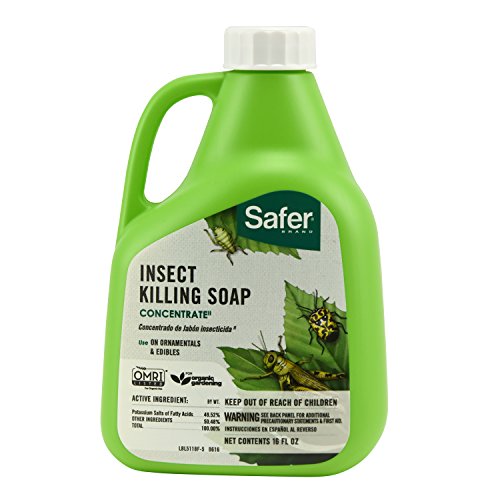
- Horticultural insecticidal soap concentrate 16 oz
- Diatomaceous earth food grade 4 lb for garden pests

Before You Start
Assess the infestation level and identify pests before choosing a treatment. Start with non-chemical approaches such as hand-picking, pruning severely affected leaves, and improving airflow around plants. When using any spray, test a small leaf area 24 hours before full application to ensure there is no adverse reaction.
Safety cautions: Wear gloves and eye protection when handling concentrates and powders. Avoid applying foliar sprays in direct sun to prevent leaf burn. Keep children and pets away during application and allow surfaces to dry completely before outdoor activity.
Step-By-Step: How To Get Rid Of Bugs On Plants Naturally
- Identify the pest and confirm that the action plan targets it without harming beneficial insects.
- Inspect plant health and prune heavily infested sections to reduce the insect population quickly.
- Increase air circulation by spacing plants properly and thinning crowded areas to deter fungal and insect problems.
- Dust plant leaves with diatomaceous earth food grade, focusing on the undersides where pests hide. Reapply after rain or heavy dew.
- Prepare and apply neem oil for garden plants spray 32 oz according to label directions, ensuring thorough coverage of both upper and lower leaf surfaces.
- Use horticultural insecticidal soap concentrate 16 oz as a supplemental spray, especially on soft-bodied pests like aphids and whiteflies. Avoid blooming plants to protect pollinators when possible.
- Water the soil deeply at the base of plants to support plant vigor and help dilute pest pressure near the root zone.
- Regularly monitor plants for new activity and repeat treatments every 7–14 days or as directed by product labels until the problem is controlled.
- Rotate between products or use alternating safe options to minimize pest resistance and protect beneficial insects.
- Keep a garden diary noting pest timing, weather conditions, and treatment results to refine future interventions.
- Dispose of any heavily damaged foliage to reduce overwintering sites for pests and prevent spread.
Troubleshooting
| Symptom | Likely Cause | Fix | Prevention |
|---|---|---|---|
| Leaves with stippling and fine specks | Aphids, spider mites | Apply neem oil or insecticidal soap as directed | Regularly inspect undersides of leaves |
| White powder on leaves | Sap-sucking pests or powdery mildew | Target insects with soap or neem oil; improve air flow | Avoid overhead watering and crowding |
| Silky webs on plants | Spider mites | Increase humidity and apply miticidal soap if needed | Isolate affected plants and rinse leaves |
| Heavy scale or eggs on stems | Scale insects | Carefully scrape or apply horticultural oil/soap | Inspect new plants before introducing them |
| Soil crust or root issues | Soil-dwelling pests | Apply soil-safe products around the base | Maintain soil health with proper watering |
Common Mistakes To Avoid
- Overapplying pesticides or applying during heat of the day, which can burn leaves.
- Neglecting to test on a small area before full spray, risking plant damage.
- Relying on a single product instead of a layered approach with monitoring and pruning.
- Ignoring beneficial insects; use selective treatments that spare pollinators.
Tips For Best Results
- Apply treatments in the early morning or late afternoon to maximize efficacy and minimize plant stress.
- Institute a regular scouting routine, checking the garden at least twice weekly during peak growing season.
- Combine cultural practices, such as crop rotation and mulching, with natural sprays for lasting control.
- Store products according to label directions and replace containers after the recommended lifespan.
- Label-reading is critical—some products should not be used on edible crops close to harvest times.
Call A Professional
Seek professional help if there is large-scale infestation, persistent damage despite repeated natural treatments, or signs of disease that might require diagnosis beyond pest control. If you notice widespread plant decline, root rot, or unusual plant death, a licensed horticulturist can help determine root causes and provide integrated pest management recommendations.
FAQ
Can I use neem oil and insecticidal soap together?
Yes, but stagger applications to avoid phytotoxicity. Follow label directions and test first on a small leaf area.
How often should I spray for insects?
Most pests respond to applications every 7–14 days, depending on the pest pressure and weather. Adjust as needed based on observation.
Is diatomaceous earth safe for pets and wildlife?
When used as directed, food-grade diatomaceous earth is generally safe outdoors, but avoid inhalation and keep pets from disturbing freshly applied dust until it settles.
Will these methods work on all plants?
Most common garden pests respond to neem oil, insecticidal soap, and diatomaceous earth, but some pests may require targeted strategies or professional advice.
Buying Guide
When selecting products to control garden pests naturally, consider size, coverage, and compatibility with your plants. Key factors include:
- Size and coverage: Choose a spray bottle or concentrate that matches your garden size; 32 oz bottles are common for larger areas, while concentrates can be mixed to fit smaller plots.
- Noise level and ease of use are not major concerns for most garden sprayers, but user-friendly applicators reduce fatigue during extended sessions.
- Energy efficiency is not a primary factor for hand-pumped sprayers, but battery-powered options offer convenience for frequent applications.
- Controls: Look for products with clear mixing instructions and labeled target pests to avoid harming plants unnecessarily.
- Placement: Store products upright in a cool, dry place away from direct sunlight; place near plants you treat most to minimize handling time.
- Compatibility: Ensure products are labeled for use on edible crops if you harvest from treated plants.
For sustainable results, combine natural products with garden hygiene and cultural practices. Do you prefer a simple routine or a more proactive plan with regular scouting? The right mix depends on your garden size, plant types, and pest pressure, but the layered approach remains effective across many home gardens.
Leave a Reply